Tag: aerospace

  • GSLV-F18 launch: Best Proven Success for ISRO Scientists

    The GSLV-F18 launch is a remarkable achievement for ISRO scientists, showcasing their dedication and expertise in advancing India’s space capabilities.

    Overview of the GSLV-F18 Launch

    The recent GSLV-F18 launch has marked a significant achievement for the Indian Space Research Organisation (ISRO). This mission has demonstrated the robustness and reliability of India’s space capabilities, showcasing the hard work and dedication of ISRO scientists.

    Prime Minister Modi expressed his pride in the success of the GSLV-F18 launch, emphasizing that it reflects the growing prowess of India in space technology. The launch vehicle is designed to carry heavier payloads, paving the way for future missions that will enhance India’s position in the global space arena.

    Key highlights of the GSLV-F18 launch include:

    • Successful deployment of multiple satellites.
    • Enhanced payload capacity.
    • Increased reliability of launch vehicles.

    This achievement is a testament to the innovation and excellence of ISRO’s team.

    PM Modi’s Congratulations to ISRO

    Prime Minister Narendra Modi extended his heartfelt congratulations to the Indian Space Research Organisation (ISRO) scientists following the successful GSLV-F18 launch. Emphasizing the significance of this achievement, he remarked, “Our space scientists make the nation proud.” The GSLV-F18 launch marks yet another milestone in India’s space journey, showcasing the remarkable expertise and dedication of ISRO’s team.

    Modi took to social media to celebrate the occasion, stating that this accomplishment exemplifies India’s growing prowess in space technology. He also highlighted the potential of such advancements in benefiting various sectors, from communication to disaster management.

    The Prime Minister’s words resonate with the aspirations of a nation that looks up to its scientists and engineers, who continue to push boundaries and inspire future generations.

    Impact of GSLV-F18 on India’s Space Program

    The successful GSLV-F18 launch marks a significant milestone in India’s space program, showcasing the advanced capabilities of the Indian Space Research Organisation (ISRO). This achievement enhances India’s position in the global space arena, demonstrating its ability to deploy heavier payloads into geosynchronous orbits.

    Moreover, the GSLV-F18 mission is expected to bolster various applications, including telecommunications, broadcasting, and weather forecasting. The satellite launched will provide improved services, contributing to the nation’s technological growth.

    ISRO’s continued success with the GSLV series not only reflects the agency’s expertise but also inspires confidence in its future missions. As India pushes the boundaries of space exploration, the impact of the GSLV-F18 launch will resonate for years to come, paving the way for further innovations.

    • Enhances global standing
    • Supports critical applications
    • Inspires future missions

    Key Features of the GSLV-F18 Rocket

    The GSLV-F18 launch showcases several key features that highlight its technological advancements and reliability. As a part of India’s ongoing space exploration efforts, this rocket is designed with enhanced payload capacity and improved propulsion systems.

    Some of the notable aspects include:

    • Indigenous Technology: The GSLV-F18 utilizes homegrown components, reinforcing India’s self-reliance in space technology.
    • Increased Payload Capability: This launch can carry heavier satellites into geostationary orbits, expanding India’s capabilities in space.
    • Advanced Navigation Systems: The rocket features state-of-the-art navigation and control mechanisms, ensuring precision during launch.
    • Robust Safety Measures: Enhanced safety protocols are in place, minimizing risks during the launch process.

    Overall, the GSLV-F18 launch marks a significant milestone for ISRO scientists, further solidifying their reputation in global space exploration.

    Future Missions Planned by ISRO

    Following the successful GSLV-F18 launch, the Indian Space Research Organisation (ISRO) is gearing up for several ambitious missions in the near future. These missions aim to enhance India’s capabilities in space exploration and satellite deployment.

    • Aditya-L1 Mission: Scheduled for later this year, this mission will study the Sun and its impact on the Earth’s climate.
    • Chandrayaan-3: Building on the achievements of previous lunar missions, ISRO plans to further explore the Moon’s surface.
    • Gaganyaan: India’s first crewed spaceflight mission is in the pipeline, with plans to send Indian astronauts into low Earth orbit.
    • NavIC Expansion: Enhancements to the Navigation with Indian Constellation (NavIC) system are set to improve regional navigation services.

    The GSLV-F18 launch has undoubtedly paved the way for these innovations, reinforcing ISRO’s commitment to pushing the boundaries of space technology.

    Where this came from

    Related stories

  • Rocket Lab satellites: What’s the Best Launch Strategy?

    Rocket Lab satellites: What’s the Best Launch Strategy?

    Rocket Lab satellites are at the forefront of innovation in space technology. As the company prepares to launch eight satellites, investors are keen to understand the insights these developments provide beyond just the launch itself.

    Overview of Rocket Lab’s Satellite Launch

    Rocket Lab has established itself as a key player in the satellite launch industry, particularly with its focus on small satellite deployment. The company’s recent announcement about the eight satellites currently in development highlights its ongoing commitment to advancing satellite technology. This initiative aims to cater to a growing market that demands efficient and cost-effective launch solutions.

    To understand the best launch strategy for Rocket Lab satellites, it is essential to consider several key factors:

    • Launch Frequency: Rocket Lab’s ability to conduct frequent launches maximizes the potential for timely satellite deployment.
    • Payload Capacity: The Electron rocket is designed to handle a variety of payloads, making it suitable for multiple satellite types.
    • Target Orbits: Different missions require specific orbital placements, and Rocket Lab’s versatility in this area is a major advantage.
    • Cost Efficiency: By optimizing launch processes, Rocket Lab aims to reduce costs, making space access more attainable for its clients.

    As the demand for satellite services continues to rise, Rocket Lab’s strategic approach will play a crucial role in determining its success in the competitive launch market.

    Investors’ Perspective on Rocket Lab

    Investors are increasingly turning their attention to Rocket Lab satellites as the company solidifies its position in the competitive space launch market. With eight satellites currently in development, Rocket Lab is poised to demonstrate the potential of its launch capabilities. These developments signal to investors that the company is not just a launch service provider but a key player in the growing satellite sector.

    Many investors view the diversification of Rocket Lab’s offerings as a strategic move that could lead to long-term growth. Key factors influencing investor sentiment include:

    • Technological Innovation: Rocket Lab’s advanced technology enhances satellite deployment efficiency, attracting interest from both commercial and governmental clients.
    • Market Demand: The increasing demand for satellite-based services, including communications and Earth observation, creates a favorable environment for Rocket Lab’s expansion.
    • Partnerships: Collaborations with other aerospace companies and governmental agencies broaden Rocket Lab’s market reach and credibility.

    As Rocket Lab continues to develop its satellite offerings, investors remain optimistic about the company’s potential to capture a significant share of the thriving satellite market.

    Key Features of Rocket Lab Satellites

    Rocket Lab satellites are gaining attention for their innovative design and functionality. Several key features contribute to their growing reputation in the aerospace industry.

    • Compact Size: Rocket Lab’s satellites are designed to be compact, allowing for efficient deployment and minimizing launch costs.
    • Advanced Technology: These satellites incorporate cutting-edge technology, enabling enhanced data collection and communication capabilities.
    • Modular Design: The modular architecture of Rocket Lab satellites allows for customization based on mission requirements, providing flexibility to clients.
    • Rapid Development: The streamlined development process ensures that satellites can be built and launched in a shorter timeframe compared to traditional models.
    • Cost-Effective: By leveraging their Electron rocket, Rocket Lab offers a cost-effective solution for satellite launches, making space more accessible to various industries.

    These features not only enhance the performance of Rocket Lab satellites but also position the company favorably in the competitive landscape of satellite launch services. As demand for satellite technology continues to rise, Rocket Lab is well-prepared to meet the needs of its clients.

    The Future of Space Technology

    The future of space technology is rapidly evolving, with companies like Rocket Lab at the forefront of innovation. As the demand for satellite deployments increases, the strategies used for launching these Rocket Lab satellites become crucial. The company is not just focused on delivering payloads to orbit but is also exploring advanced technologies to enhance efficiency and reduce costs.

    One major development is the emphasis on reusable rocket components, which can significantly lower the financial barriers for satellite launches. This approach allows Rocket Lab to increase the frequency of launches, thereby providing more opportunities for businesses and researchers to access space. Additionally, the integration of artificial intelligence and machine learning in flight planning is set to optimize launch schedules and improve safety.

    Moreover, collaboration with various industries is paving the way for innovative satellite applications, from Earth observation to telecommunications. As Rocket Lab continues to refine its launch strategies, the landscape of satellite technology will likely see transformative changes, ensuring that access to space becomes more democratized and efficient for all stakeholders.

    How Rocket Lab Stands Out

    Rocket Lab has established itself as a prominent player in the space industry, particularly with its innovative approach to launching satellites. Unlike many competitors, Rocket Lab focuses on small satellite deployment, which allows for more frequent and tailored launch opportunities. This specialization has attracted a diverse range of clients, from commercial enterprises to governmental organizations.

    One of the key factors that set Rocket Lab apart is its commitment to rapid launch cycles. The company can conduct launches as often as once a week, significantly reducing the wait time for satellite deployment. This agility enables customers to respond quickly to market demands and operational needs.

    Moreover, Rocket Lab satellites are designed with advanced technology that enhances their functionality and performance. Features such as high-resolution imaging and improved communication capabilities make their satellites attractive options for various applications.

    Additionally, the company’s focus on sustainability, including plans for reusable rocket technology, positions it as a forward-thinking leader in the industry. As Rocket Lab continues to push the boundaries of space technology, its satellites remain at the forefront of innovation, promising exciting advancements in the years to come.

    Understanding Satellite Launch Dynamics

    Understanding the dynamics of satellite launches is crucial for companies like Rocket Lab, especially as they continue to develop innovative solutions for the space industry. The launch strategy adopted by Rocket Lab significantly impacts not only the success of individual missions but also the overall sustainability and efficiency of satellite deployments.

    Several factors play a critical role in determining the best launch strategy, including:

    • Payload Capacity: Knowing the weight and size of Rocket Lab satellites is essential for optimizing the launch vehicle.
    • Launch Frequency: More frequent launches can lead to reduced costs and increased reliability.
    • Target Orbit: Different missions require specific orbits, influencing the choice of launch trajectory.
    • Market Demand: Understanding the needs of clients and the competitive landscape helps shape Rocket Lab’s launch schedule.

    As Rocket Lab progresses with its satellite development, employing a flexible and responsive launch strategy will be key to meeting market expectations and driving growth in the satellite sector. The interplay of these elements ensures that Rocket Lab can adapt to the rapidly evolving demands of space exploration and satellite technology.

    To maximize the potential of Rocket Lab satellites, a strategic approach to their deployment is essential. Analyzing the market demand and optimizing launch schedules will ensure that Rocket Lab satellites are utilized effectively.

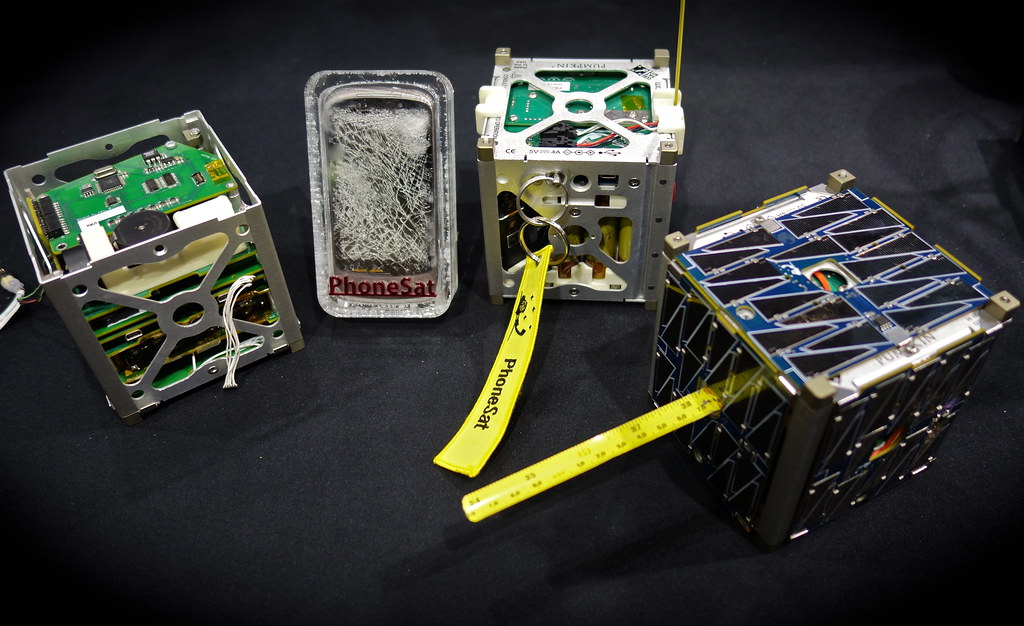
    By jurvetson via Openverse

    Sources

    ad-hoc-news.de

    Related reading

    Is Infinix Note 70 5G the Best Phone with Proven Features? · Foldable iPhone hinge: Best proven technology for durability · Behemoth Game Trailer: The Best Insights You Need Now

  • Gaganyaan crew module tests: Clear Success for ISRO

    Gaganyaan crew module tests: Clear Success for ISRO

    Gaganyaan crew module tests have been successfully completed, showcasing ISRO’s commitment to advancing India’s human spaceflight capabilities.

    Overview of Gaganyaan Mission

    The Gaganyaan mission, India’s ambitious foray into human spaceflight, aims to send a crew of astronauts into low Earth orbit. Recently, the Indian Space Research Organisation (ISRO) achieved a significant milestone by successfully completing critical Gaganyaan crew module tests. These tests involved the separation of the crew module from the service module, a crucial step in ensuring the safety and success of future manned missions.

    ISRO’s rigorous testing procedures have demonstrated the reliability of the technology being developed for this mission. The crew module is designed to support life in space, providing essential systems for the astronauts during their journey. The completion of these tests brings India closer to launching its first crewed mission, marking a historic moment in the nation’s space exploration efforts.

    • Mission aims to enhance India’s capabilities in space
    • Focus on astronaut safety and mission success
    • Part of India’s long-term space exploration goals

    Importance of Crew Module Tests

    The successful completion of the Gaganyaan crew module tests marks a significant milestone for the Indian Space Research Organisation (ISRO). These tests are crucial in ensuring the safety and reliability of the crew module, which is designed to carry astronauts into space.

    By validating the separation mechanisms between the crew module and the service module, ISRO demonstrates its commitment to achieving a successful human spaceflight mission. The rigorous testing process also enhances the crew’s safety, focusing on various scenarios that may arise during the mission.

    Furthermore, the Gaganyaan crew module tests contribute to India’s growing expertise in space technology, fostering advancements in engineering and research. As ISRO prepares for future missions, these tests lay the groundwork for a robust human spaceflight program.

    ISRO’s Achievements in Space

    The Indian Space Research Organisation (ISRO) has made significant strides in its ambitious Gaganyaan mission. Recently, the agency successfully completed crucial tests, marking a pivotal moment in India’s quest for human spaceflight. These tests are essential for validating the functionality and safety of the crew module, which is designed to carry astronauts into orbit.

    Among the notable achievements, ISRO demonstrated effective crew module-service module separation, a critical operation that ensures the safety of astronauts during their journey. The success of these tests underscores ISRO’s commitment to advancing its space capabilities and highlights the rigorous approach the organization takes towards ensuring astronaut safety.

    As the Gaganyaan crew module tests continue to yield positive results, India is poised to join the ranks of nations capable of sending humans into space, a significant milestone for the nation’s space program.

    Future of Human Spaceflight in India

    The successful completion of the Gaganyaan crew module tests marks a significant milestone in India’s journey towards human spaceflight. With these tests, the Indian Space Research Organisation (ISRO) has demonstrated its capability to develop a safe and reliable crew module, essential for future missions.

    As India progresses in its space exploration endeavors, the implications of these tests extend beyond the Gaganyaan mission. They lay the groundwork for more ambitious projects, including potential collaborations with international space agencies and the exploration of deeper space missions.

    Moreover, the advancements achieved through the Gaganyaan crew module tests are expected to inspire a new generation of scientists and engineers. This success reinforces India’s position in the global space community and showcases its commitment to pioneering human spaceflight.

    Technical Details of the Service Module

    The recent tests conducted on the Gaganyaan crew module have showcased the advanced capabilities of ISRO’s engineering teams. The primary focus was on the Service Module, which plays a crucial role in supporting the crew during their journey to space.

    Key aspects of the tests included:

    • Separation Mechanism: The successful execution of the crew module-service module separation was pivotal, ensuring that both components can function independently during the mission.
    • Thermal Protection: The module’s ability to withstand extreme temperatures during re-entry was validated, an essential feature for crew safety.
    • Power Systems: The reliability of the power management systems was tested to ensure continuous operation throughout the mission.

    These rigorous Gaganyaan crew module tests mark a significant milestone in India’s quest for human spaceflight.

    What Comes Next for Gaganyaan

    With the successful completion of the Gaganyaan crew module tests, the Indian Space Research Organisation (ISRO) is gearing up for the next phases of the ambitious mission. The focus will now shift to integrating the crew module with the launch vehicle and conducting extensive system checks.

    Upcoming milestones include:

    • Finalizing the Launch Vehicle: Ensuring the rocket is fully prepared for the mission.
    • Conducting Simulation Exercises: Testing various scenarios to ensure crew safety and mission success.
    • Preparing for Astronaut Training: Initiating training programs for the selected astronauts.

    As ISRO progresses, international collaborations may also be explored to enhance research and technology sharing, further solidifying India’s position in the global space arena.

    International Collaboration in Space

    The Gaganyaan crew module tests signify not only a major milestone for the Indian Space Research Organisation (ISRO) but also highlight the importance of international collaboration in space exploration. Partnerships with various space agencies and research institutions around the world have enhanced the capabilities of ISRO in executing ambitious projects like Gaganyaan.

    Countries such as the United States, Russia, and members of the European Space Agency have provided invaluable expertise and support. This collaborative effort ensures that critical technologies are shared and best practices are implemented, paving the way for a more robust crew module.

    As the Gaganyaan crew module tests progress, these international partnerships are crucial in addressing challenges and advancing human spaceflight initiatives. The successful completion of these tests positions India as a key player in global space exploration efforts.

    Public Interest in Space Exploration

    The recent Gaganyaan crew module tests have reignited public interest in space exploration, highlighting India’s ambitions in the cosmos. As ISRO continues to make significant strides in its mission, citizens are increasingly fascinated by the possibilities that human spaceflight presents.

    Social media platforms are buzzing with discussions and excitement regarding the upcoming Gaganyaan mission, as people share their hopes and expectations for India’s journey into space.

    Moreover, educational institutions are leveraging this momentum to inspire the next generation of scientists and engineers. Initiatives aimed at promoting STEM education are gaining traction, encouraging students to explore careers in aerospace and technology.

    As the Gaganyaan crew module tests demonstrate ISRO’s capabilities, they serve as a reminder of the crucial role that space exploration plays in fostering innovation and national pride.

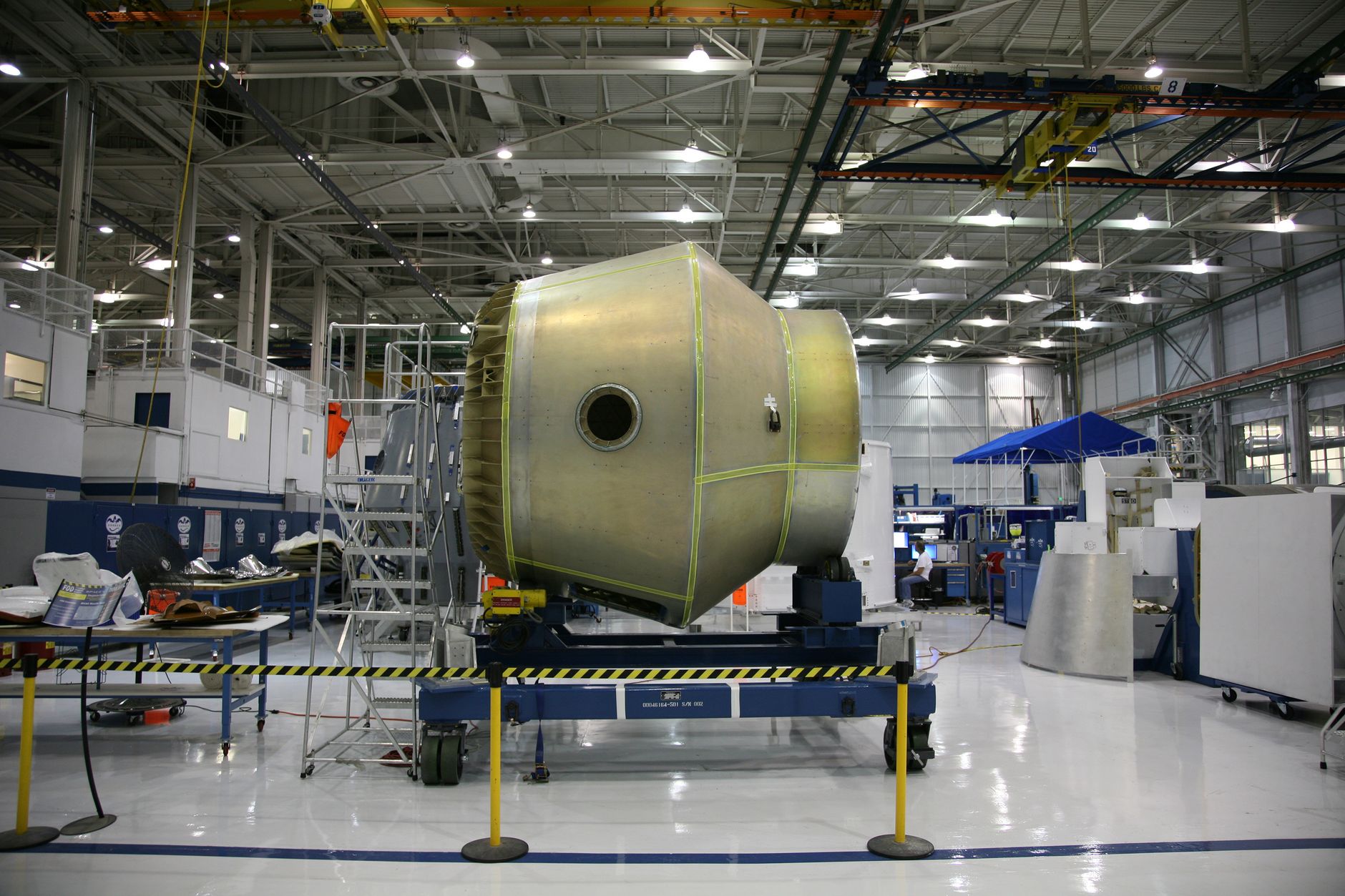
    Photo by SpaceX on Pexels

    References

    Adda247

    You might also like

    Monitor emissions: Best proven methods for tracking air quality · Gaganyaan Uncrewed Mission: Clear Module Tests Proven Safe · Withings Apple Health sync: The Costly Annual Fee Explained

  • Gaganyaan Uncrewed Mission: Clear Module Tests Proven Safe

    Gaganyaan Uncrewed Mission: Clear Module Tests Proven Safe

    Gaganyaan uncrewed mission has successfully cleared its module separation tests, marking a significant milestone ahead of its first flight. This achievement showcases the program’s commitment to safety and reliability in space exploration.

    Overview of Gaganyaan Mission

    The Gaganyaan uncrewed mission represents a significant milestone in India’s space exploration efforts. This ambitious project, led by the Indian Space Research Organisation (ISRO), aims to send humans into space for the first time. As part of the preparations for this landmark mission, ISRO has successfully completed critical module separation tests, ensuring the safety and reliability of the spacecraft.

    The testing phase involved rigorous assessments to confirm that all systems function optimally during various stages of the mission. With the completion of these tests, ISRO has demonstrated its commitment to achieving a safe and successful launch.

    Key highlights of the Gaganyaan uncrewed mission include:

    • Safety Assurance: Comprehensive testing of module separation mechanisms.
    • Technological Advancement: Incorporation of cutting-edge technology for spacecraft design.
    • Future Manned Missions: Paving the way for subsequent crewed missions to space.

    Overall, the Gaganyaan uncrewed mission is poised to enhance India’s position in the global space race, showcasing its technological prowess and innovative spirit.

    Importance of Module Separation Tests

    The successful completion of module separation tests is a significant milestone for the Gaganyaan uncrewed mission. These tests are crucial to ensuring the safety and reliability of the spacecraft’s components during its journey. The separation of modules involves critical phases, where different sections of the spacecraft must detach and function independently. This process is vital for the overall mission success.

    During the tests, engineers monitored various parameters to assess the performance of each module. The results demonstrated that the separation mechanisms operated as intended, indicating a robust design and engineering process.

    The importance of these tests extends beyond mere functionality; they also enhance the confidence of mission planners and stakeholders. Ensuring that the modules can safely detach is essential for the subsequent phases of the mission, including orbital maneuvers and potential crewed missions in the future.

    In summary, the successful module separation tests for the Gaganyaan uncrewed mission pave the way for further advancements in India’s space exploration efforts.

    Timeline for Upcoming Uncrewed Flight

    The timeline for the upcoming Gaganyaan uncrewed mission has been outlined by officials at the Indian Space Research Organisation (ISRO). Following the successful completion of module separation tests, which confirmed the safety and reliability of the spacecraft, the focus now shifts to the flight readiness review.

    Key milestones leading up to the launch include:

    • Initial Testing: All necessary ground tests for the spacecraft modules have been completed.
    • Integration Phase: The integration of the modules into the launch vehicle is set to begin in early 2024.
    • Flight Readiness Review: This critical assessment will take place a few weeks before the planned launch date.
    • Launch Window: The uncrewed mission is tentatively scheduled for mid-2024, depending on the success of preceding tests and evaluations.

    As preparations continue, ISRO remains committed to achieving a safe and successful launch, marking a significant step towards India’s crewed space mission in the future.

    Challenges Faced in Space Missions

    The Gaganyaan uncrewed mission has been a significant milestone for India’s space exploration endeavors, but it has not been without its challenges. Several obstacles have emerged during the preparation phases, testing the resilience of the Indian Space Research Organisation (ISRO) and its technology.

    One of the primary challenges has been ensuring the safety and reliability of the spacecraft components. Rigorous testing protocols have been established to address potential issues, particularly with the module separation mechanisms that are crucial for mission success. These tests have revealed the importance of precise engineering and the necessity for redundancy in critical systems.

    Additionally, the integration of advanced technology has posed hurdles. Developing systems that can withstand the harsh conditions of space travel, such as extreme temperatures and radiation, has required innovative solutions and extensive research.

    • Ensuring reliable communication systems
    • Addressing potential software failures
    • Maintaining strict timelines despite setbacks

    Despite these challenges, the successful completion of the module separation tests marks a promising step forward for the Gaganyaan uncrewed mission.

    Future of Indian Space Exploration

    The future of Indian space exploration looks promising as the Gaganyaan uncrewed mission paves the way for significant advancements in technology and human spaceflight. With the successful module separation tests completed, the mission demonstrates India’s growing capabilities in space dynamics and safety protocols.

    India aims to establish itself as a formidable player in the global space race. The Gaganyaan uncrewed mission is not just a step toward sending humans into space but also a leap toward developing indigenous technologies that can support various space endeavors.

    In the coming years, the Indian Space Research Organisation (ISRO) plans to enhance its satellite launching capabilities and explore deep space missions. The Gaganyaan mission serves as a foundation for future projects, including:

    • Developing advanced satellites for communication and observation.
    • Launching interplanetary missions to Mars and beyond.
    • Collaborating with international space agencies for joint ventures.

    As these plans unfold, the Gaganyaan uncrewed mission will be a critical milestone that inspires future generations of scientists and engineers in India.

    Technological Innovations in Gaganyaan

    The Gaganyaan uncrewed mission represents a significant leap in India’s space technology, showcasing various innovative engineering solutions designed to enhance safety and efficiency. Among the noteworthy advancements are:

    • Revolutionary Propulsion Systems: The mission incorporates state-of-the-art propulsion technology that ensures precise maneuverability and safe operation during critical phases of flight.
    • Advanced Life Support Systems: Although uncrewed, the mission employs sophisticated life support mechanisms designed for future crewed missions, reflecting the foresight of Indian Space Research Organisation (ISRO).
    • Robust Communication Networks: Enhanced communication systems have been developed to maintain constant contact with ground control, facilitating real-time monitoring and data transmission.
    • Innovative Module Separation Techniques: The successful module separation tests underscore the reliability of the systems, crucial for the Gaganyaan uncrewed mission’s operational success.

    These technological innovations not only bolster the safety and reliability of the upcoming mission but also pave the way for India’s continued advancements in aerospace technology and exploration.

    Photo by john mckenna on Pexels

    References

    You might also like

  • SpaceX Starship rocket: Proven success in Earth’s orbit

    SpaceX Starship rocket: Proven success in Earth’s orbit

    SpaceX Starship rocket has successfully reached Earth’s orbit for the first time, marking a significant achievement in space exploration. This milestone paves the way for future interplanetary missions and showcases SpaceX’s advancements in aerospace technology.

    What is SpaceX’s Starship?

    SpaceX’s Starship rocket is a fully reusable spacecraft designed to carry both crew and cargo to a variety of destinations, including Earth orbit, the Moon, and Mars. This ambitious project aims to revolutionize space travel by significantly reducing costs and enhancing accessibility to space.

    Developed by SpaceX, the Starship is the largest and most powerful rocket ever built, standing at approximately 120 meters tall when combined with its booster stage, known as the Super Heavy. The rocket features a sleek, stainless-steel exterior that enhances its aerodynamic performance and withstands the extreme temperatures of space travel.

    Key features of the SpaceX Starship rocket include:

    • Reusability: Designed for rapid reflight, reducing expense and waste.
    • Payload Capacity: Capable of carrying over 100 metric tons to low Earth orbit.
    • Versatile Applications: Intended for missions ranging from satellite deployment to interplanetary exploration.
    • Human Spaceflight: Equipped to transport astronauts beyond Earth.

    With its recent successful launch, the SpaceX Starship rocket marks a significant milestone in the journey toward making space travel more attainable for humanity.

    The Journey to Earth’s Orbit

    The journey to Earth’s orbit for the SpaceX Starship rocket marks a historic milestone in space exploration. After years of development and testing, SpaceX has successfully demonstrated the capabilities of its supersized rocket, paving the way for future missions to the Moon and Mars.

    The launch, which took place earlier this month, was met with great anticipation. As the countdown reached zero, the SpaceX team watched with bated breath as the Starship lifted off from the launch pad, showcasing its impressive power and engineering. This successful orbital flight is a critical step in validating the rocket’s design and performance.

    During the mission, the Starship was able to:

    • Achieve a stable trajectory
    • Complete multiple engine burns
    • Gather valuable data for future improvements

    SpaceX’s commitment to innovation has fueled the advancement of space travel, with the Starship rocket serving as a testament to that vision. As the rocket orbits Earth, engineers and scientists are already analyzing the data collected to enhance the next generation of space vehicles and explore the final frontier.

    Key Features of the Starship Rocket

    The SpaceX Starship rocket is a revolutionary spacecraft designed for interplanetary travel and beyond. Here are some of its key features that contribute to its proven success in Earth’s orbit:

    • Reusable Design: The Starship rocket is engineered for multiple flights, significantly reducing the cost of space travel and increasing accessibility.
    • Heavy-Lift Capacity: With the ability to carry over 100 metric tons to low Earth orbit, the Starship rocket can transport large payloads, making it ideal for missions to the Moon and Mars.
    • Advanced Propulsion System: Powered by Raptor engines, the Starship utilizes liquid methane and liquid oxygen, allowing for efficient fuel production on other celestial bodies.
    • Spacecraft Versatility: The Starship can serve various purposes, including crewed missions, cargo transport, and satellite deployment.
    • Robust Heat Shield: Its heat shield technology ensures safe reentry into Earth’s atmosphere, an essential feature for returning astronauts and equipment.

    These features position the SpaceX Starship rocket as a game-changer in the aerospace industry, paving the way for a new era of exploration and commercial space travel.

    Implications for Future Missions

    The successful launch of the SpaceX Starship rocket into Earth’s orbit marks a significant milestone for future space exploration. This achievement not only demonstrates the rocket’s advanced capabilities but also opens up numerous possibilities for upcoming missions.

    As SpaceX continues to refine the Starship design and operational procedures, several implications emerge for the broader space community:

    • Increased Access to Space: The Starship rocket’s proven efficiency could lower the cost of launching payloads, making space more accessible for both commercial and scientific endeavors.
    • Interplanetary Missions: With successful orbital flights, plans for missions to the Moon and Mars become more feasible, potentially paving the way for human colonization and resource extraction.
    • Technological Advancements: The innovations developed during the Starship program may lead to breakthroughs in spacecraft technology, benefiting other areas of aerospace engineering.
    • International Collaboration: The successful deployment of the Starship rocket can foster partnerships between nations and private enterprises, driving collective efforts in space exploration.

    Overall, the implications of the SpaceX Starship rocket’s success extend far beyond its launch, shaping the future of human endeavors in outer space.

    Challenges Faced During Launch

    The launch of the SpaceX Starship rocket was not without its challenges, highlighting the complexities involved in reaching Earth’s orbit. Among the primary hurdles faced were technical malfunctions and environmental factors that tested the resilience of the spacecraft.

    • Technical Malfunctions: During the countdown, engineers encountered several unexpected issues, including software glitches that required immediate troubleshooting. These delays raised concerns about the rocket’s reliability.
    • Weather Conditions: Adverse weather played a significant role, with high winds and cloud cover threatening to postpone the launch. The team had to make quick decisions to ensure the safety of the mission.
    • Fueling Challenges: The fueling process for the Starship rocket is intricate and poses risks. During the final preparations, a minor leak was detected, prompting an urgent response from the engineering team.

    Despite these challenges, the successful launch of the SpaceX Starship rocket has underscored the determination and expertise of the SpaceX team. Their ability to navigate these obstacles not only demonstrates their commitment to innovation but also sets the stage for future exploration missions beyond Earth’s orbit.

    Public Reaction to the Launch

    The successful launch of the SpaceX Starship rocket has garnered significant public attention and sparked excitement among space enthusiasts and the general public alike. Many took to social media to express their admiration for the achievement, sharing videos and images of the launch.

    Comments from various individuals highlighted the importance of the event:

    • Inspiring Future Generations: Many users expressed hope that this success would encourage young people to pursue careers in science and technology.
    • Pride in Innovation: Several comments praised SpaceX for pushing the boundaries of technology and exploration, showcasing what private companies can achieve in the space sector.
    • Global Collaboration: Some observers noted that the launch represents a new era of cooperation in space exploration, where international partnerships are pivotal for future missions.

    Moreover, the launch sparked discussions about the future of space travel, with many speculating about the implications for missions to Mars and beyond. As the SpaceX Starship rocket continues to prove its capabilities, the enthusiasm surrounding its journey is expected to grow even further, fueling anticipation for upcoming launches.

    Expert Opinions on SpaceX’s Achievement

    Experts in the aerospace industry have weighed in on the recent achievement of the SpaceX Starship rocket reaching Earth’s orbit. Many view this milestone as a pivotal moment in space exploration, with potential implications for future missions to the Moon, Mars, and beyond.

    Dr. Emily Chen, a renowned aerospace engineer, stated, “The success of the SpaceX Starship rocket is a testament to the relentless innovation at SpaceX. It showcases not only technical expertise but also a commitment to pushing the boundaries of space travel.”

    Others, like Professor Mark Reyes from the National Space Institute, emphasized the broader impact: “This achievement opens up new possibilities for commercial space travel and deep space exploration. The Starship’s capabilities could revolutionize how we approach interplanetary missions.”

    However, some experts caution that challenges remain. Dr. Sarah Patel, an astrophysicist, noted, “While the launch is a huge success, we must ensure that future missions prioritize safety and sustainability in our pursuit of space exploration.”

    Overall, the consensus among experts is that the SpaceX Starship rocket’s success not only marks a significant achievement for the company but also sets the stage for a new era in space exploration.

    What’s Next for SpaceX?

    As SpaceX celebrates the successful orbital launch of its Starship rocket, attention turns to what lies ahead for the company and its ambitious plans. The successful mission not only marks a significant milestone in space exploration but also sets the stage for a series of groundbreaking initiatives.

    Moving forward, SpaceX aims to:

    • Refine the Starship design: Continuous improvements will be made to enhance performance, reliability, and safety for future missions.
    • Conduct more test flights: Additional launches are planned to gather data and further validate the rocket’s capabilities in various conditions.
    • Expand commercial opportunities: SpaceX is looking to leverage the Starship rocket for satellite deployment, space tourism, and interplanetary missions.
    • Support NASA missions: Collaborations with NASA are expected to increase, particularly for the Artemis program, aiming to return humans to the Moon.
    • Prepare for Mars missions: The ultimate goal remains to use the Starship rocket for crewed missions to Mars, paving the way for human colonization of the Red Planet.

    With these plans in motion, the future for SpaceX and its Starship rocket appears promising, igniting excitement within the global space community.

    By jurvetson via Openverse

    References

    More on this site