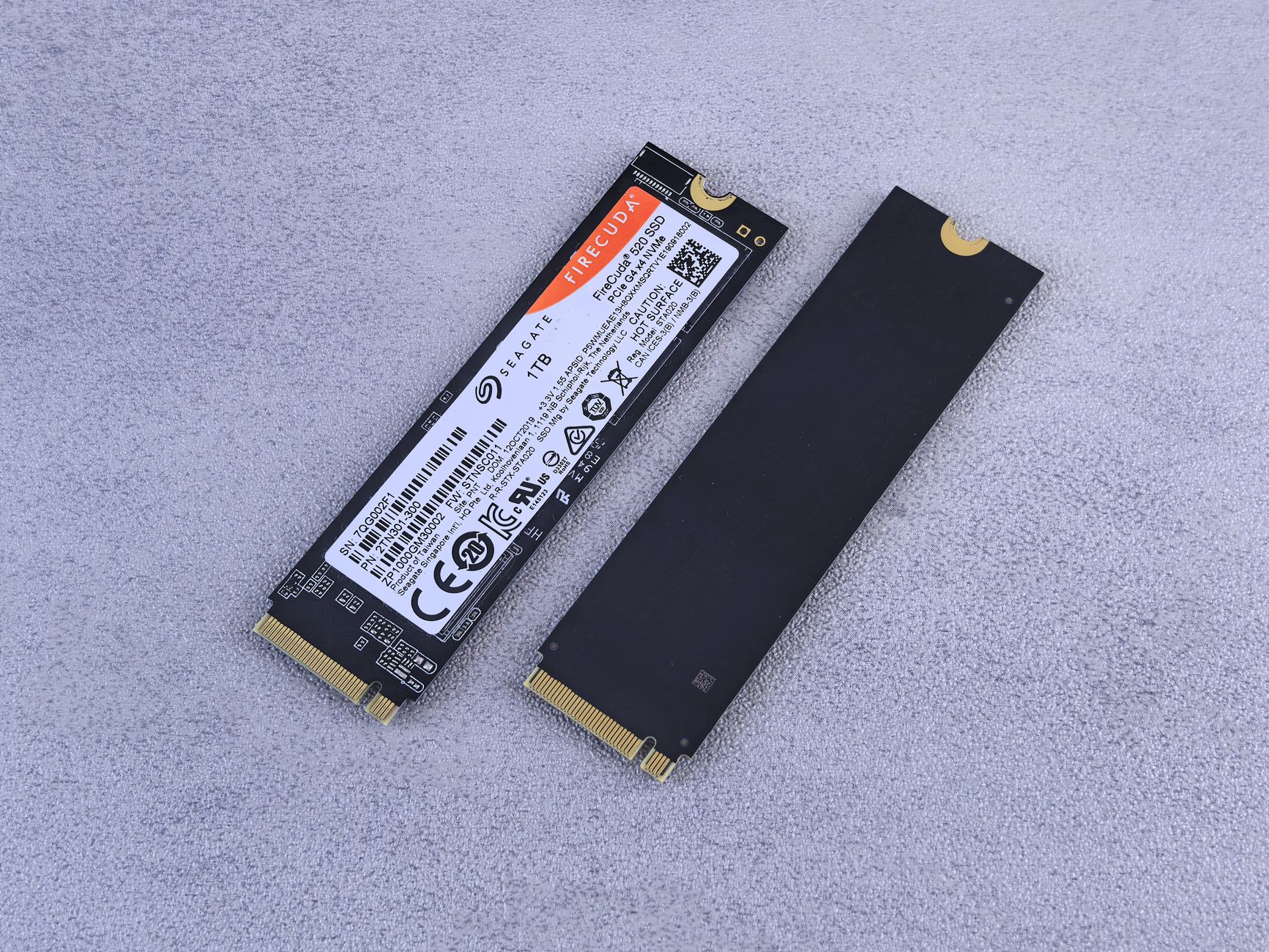
2TB Internal SSD deals are hard to come by, especially with today’s exclusive offer. You can save over 50% on a high-performance SSD perfect for your Steam Deck or ROG Ally.
Why Upgrade Your Storage?
Upgrading your storage can significantly enhance your gaming experience, especially when using devices like the Steam Deck or ROG Ally. With a 2TB Internal SSD, you can store a vast library of games without worrying about running out of space. Here are some compelling reasons to consider this upgrade:
- Increased Storage Capacity: A 2TB Internal SSD allows you to install more games, downloadable content, and updates, ensuring you have everything at your fingertips.
- Improved Load Times: Solid State Drives provide faster load times compared to traditional hard drives, getting you into gameplay quicker and enhancing overall performance.
- Enhanced Durability: Unlike HDDs, SSDs have no moving parts, making them more resistant to bumps and drops, which is ideal for portable gaming devices.
- Energy Efficiency: SSDs typically consume less power, which can help extend battery life on mobile devices like the Steam Deck and ROG Ally.
With today’s promotion offering over 50% off, upgrading to a 2TB Internal SSD is not only a practical choice but also an economical one. Don’t miss out on this opportunity to enhance your gaming setup.
Top Benefits of a 2TB SSD
Upgrading to a 2TB internal SSD offers numerous benefits for gamers and tech enthusiasts alike. Here are some of the top advantages:
- Ample Storage Space: With a 2TB internal SSD, users can store a vast library of games and applications without constantly worrying about running out of space.
- Faster Load Times: An internal SSD significantly reduces load times, allowing for quicker access to games and smoother gameplay experiences.
- Durability: Unlike traditional hard drives, SSDs have no moving parts, making them more reliable and resistant to physical shock and damage.
- Energy Efficient: SSDs consume less power compared to HDDs, contributing to longer battery life for portable devices like the Steam Deck and ROG Ally.
- Improved Performance: Upgrading to a 2TB internal SSD can enhance overall system performance, providing faster boot times and efficient multitasking.
In summary, investing in a 2TB internal SSD is not just about more space; it’s about elevating your gaming experience to a whole new level.
How to Install Your New SSD
Installing your new 2TB Internal SSD in your Steam Deck or ROG Ally is a straightforward process that can significantly enhance your gaming experience. Follow these steps to ensure a smooth installation.
- Gather Your Tools: You will need a small Phillips-head screwdriver and, optionally, an anti-static wrist strap.
- Power Down: Completely shut down your device and unplug it from any power source.
- Access the Storage Compartment: Carefully remove the back cover of your Steam Deck or ROG Ally to access the SSD slot. Refer to the manufacturer’s guide for specific instructions.
- Remove the Old SSD (if applicable): If you are replacing an existing drive, gently unscrew and slide it out from its slot.
- Install the New SSD: Insert your new 2TB Internal SSD into the slot, ensuring it is securely connected. Tighten the screws to hold it in place.
- Reassemble: Carefully replace the back cover of your device, making sure all clips are secured.
- Power On: Turn on your device and check if the new storage is recognized in the settings.
With these steps, you’ll be ready to enjoy your expanded storage capacity and delve into your favorite games with ease.
Comparing SSD Brands for Gaming
When it comes to choosing a 2TB Internal SSD for gaming, several brands stand out for their performance and reliability. Each brand offers unique features that cater to different gaming needs.
- Samsung: Known for their high-speed performance, Samsung SSDs often come equipped with advanced thermal management systems, making them ideal for prolonged gaming sessions.
- Western Digital: Offering a balance between affordability and quality, Western Digital SSDs provide excellent read and write speeds, perfect for loading large game files quickly.
- Crucial: This brand is popular among budget-conscious gamers. Crucial’s 2TB Internal SSDs deliver solid performance while being cost-effective, ensuring you get the most for your money.
- Seagate: Renowned for their durability, Seagate SSDs are designed to withstand heavy usage, making them a reliable choice for intense gaming environments.
Ultimately, the best choice depends on your specific requirements, such as speed, capacity, and budget. Evaluating each brand’s offerings can help you make an informed decision for enhancing your Steam Deck or ROG Ally gaming experience.
User Reviews of the 2TB Internal SSD
Users have taken to various platforms to share their experiences with the 2TB Internal SSD, highlighting its impact on gaming performance and storage capacity. Many have noted significant improvements in load times and overall responsiveness of their devices, particularly when using it with the Steam Deck and ROG Ally.
One user emphasized that upgrading to a 2TB Internal SSD transformed their gaming experience, stating, “I can now install multiple AAA games without worrying about space. The load times are noticeably faster, making it a must-have for serious gamers.”
Another reviewer mentioned how easy the installation process was, which aligns with the guides available online. “I followed the instructions and had it up and running in no time. It’s like having a new device!” they shared.
Additionally, several users praised the competitive pricing and value for money, especially during promotional sales. “Getting a 2TB Internal SSD at over 50% off is an incredible deal. I couldn’t be happier with my purchase,” one user remarked.
Overall, the feedback underscores the significant advantages of upgrading to a 2TB Internal SSD for enhanced gaming experiences.
Best Practices for SSD Maintenance
To ensure optimal performance and longevity of your 2TB Internal SSD, consider these best practices for maintenance:
- Regular Backups: Always maintain regular backups of your data. This protects against data loss due to unexpected failures.
- Monitor Storage Usage: Keep an eye on your SSD’s storage capacity. Aim to use less than 80% of the total space to maintain speed and efficiency.
- Keep Firmware Updated: Manufacturers often release firmware updates that can improve performance and reliability. Check for updates periodically.
- Avoid Defragmentation: Unlike traditional hard drives, SSDs do not require defragmentation. In fact, doing so can reduce the lifespan of your SSD due to unnecessary write cycles.
- Enable TRIM Command: Ensure that TRIM is enabled on your operating system. This helps the SSD manage unused data blocks effectively, enhancing performance.
- Control Heat Exposure: Keep your SSD in a well-ventilated area to prevent overheating, which can lead to performance degradation.
By following these practices, you can maximize the lifespan and efficiency of your 2TB Internal SSD, whether for your Steam Deck or ROG Ally.
Where to Find the Best Deals
Finding the best deals on a 2TB Internal SSD can make a significant difference to your gaming experience, especially for devices like the Steam Deck and ROG Ally. Here are some places to look for the latest discounts:
- Online Retailers: Major e-commerce platforms such as Amazon and Newegg frequently offer sales on computer hardware, including internal SSDs. Keep an eye on daily deals to snag a bargain.
- Manufacturer Websites: Brands like Samsung and Crucial often have exclusive offers on their websites. Signing up for newsletters can provide access to promotional events and discounts.
- Local Electronics Stores: Don’t overlook brick-and-mortar stores; they might have clearance sales or special promotions on computer components.
- Deal Aggregator Sites: Websites like Slickdeals and TechBargains compile the best prices from various retailers, making it easier to compare deals.
By shopping around and utilizing these resources, you can find the best deals on a 2TB Internal SSD, enhancing your gaming setup without breaking the bank.
Limited Time: Today’s Special Offer
Today is the perfect opportunity to enhance your gaming experience with a fantastic deal on a 2TB Internal SSD. For a limited time only, you can save over 50% off the regular price, making this the best offer on the market for your Steam Deck or ROG Ally.
This special promotion provides gamers with a chance to expand their storage capacity without breaking the bank. With 2TB of space, you’ll have ample room for all your favorite games, downloadable content, and updates, ensuring that you never run out of storage during those intense gaming sessions.
Here are a few reasons why you should take advantage of this deal:
- Massive Storage: Say goodbye to deleting games to make space.
- Fast Load Times: Enjoy quicker boot and load times for a seamless gaming experience.
- Easy Installation: Upgrade your device in just a few simple steps.
Don’t let this opportunity slip away! This offer is valid today only, so act fast to secure your 2TB Internal SSD and elevate your gaming setup.
Photo by Andrey Matveev on Pexels
Sources
Related reading
Pixel 10a Price Hike: What’s the Real Cost Now? · Nuri rocket launch: Proven success with satellite deployment · Amazon Prime bike deals: 30 Worthwhile Picks for Bikers