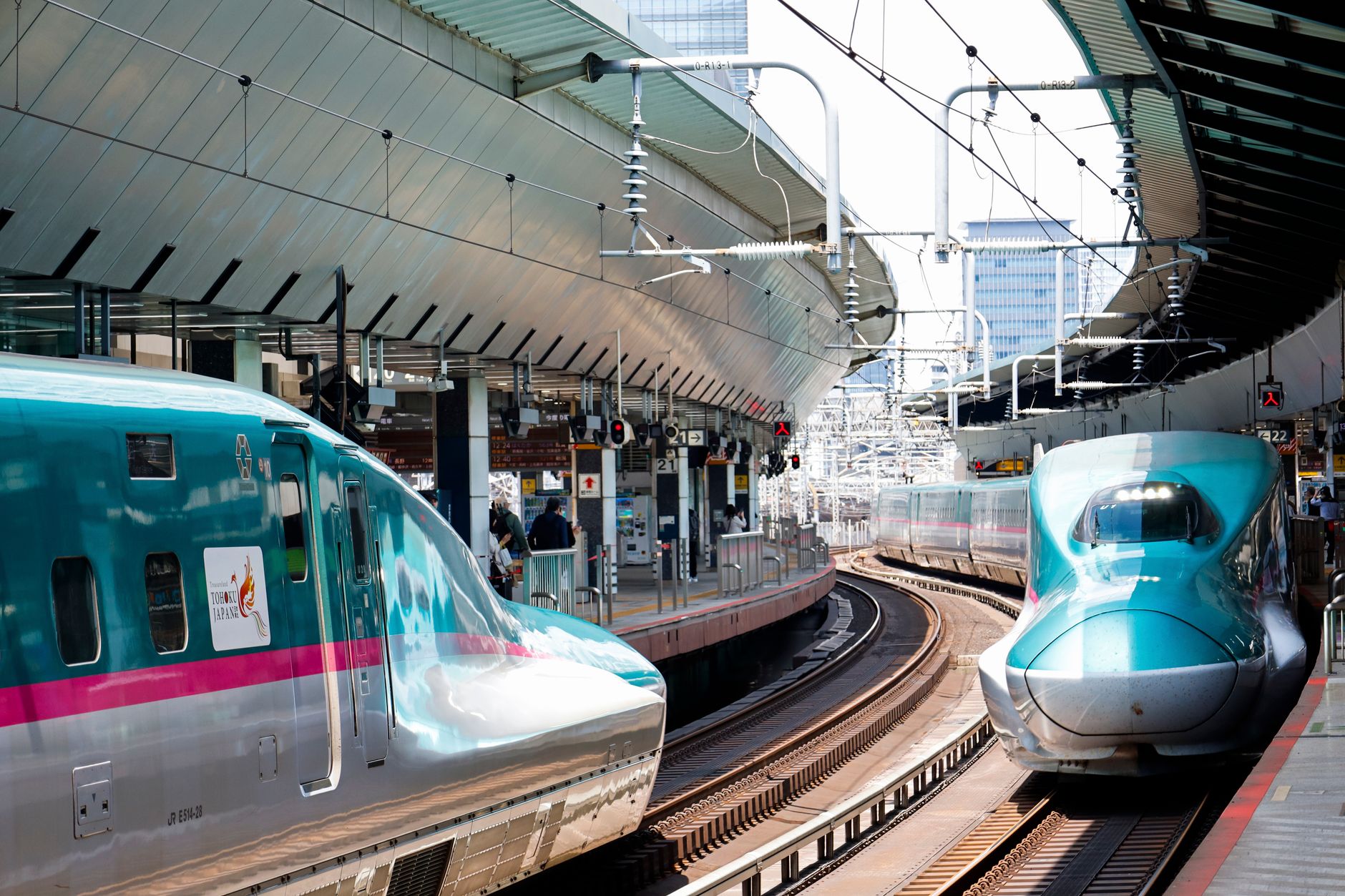
Railway Innovation Policy is a new initiative launched by the Railway Ministry to foster technological advancements in the railway sector. This policy aims to enhance efficiency and passenger experience through innovative solutions.
Overview of the Railway Innovation Policy
The Railway Innovation Policy, recently launched by the Railway Ministry, aims to revolutionize the rail sector in India. This comprehensive initiative focuses on fostering a culture of innovation within the railway ecosystem, encouraging stakeholders to develop and implement advanced technologies and solutions.
The policy is designed to address various challenges faced by the railway industry, including enhancing operational efficiency, improving passenger safety, and reducing environmental impact. It seeks to create a platform where innovators, startups, and established companies can collaborate to bring forth groundbreaking ideas.
Key features of the Railway Innovation Policy include:
- Funding Support: Financial assistance will be provided to promising projects that demonstrate the potential for significant improvements in railway operations.
- Collaboration Opportunities: The policy promotes partnerships between public and private sectors, facilitating knowledge exchange and resource sharing.
- Regulatory Ease: Streamlined processes will ensure that innovative solutions can be tested and implemented quickly.
- Focus on Sustainability: The policy emphasizes the development of eco-friendly technologies to minimize the railway’s carbon footprint.
Overall, the Railway Innovation Policy aims to set the stage for a modern, efficient, and sustainable railway system in India.
Key Features of the New Policy
The recently launched Railway Innovation Policy introduces several key features aimed at transforming the railway sector. These features are designed to foster innovation and enhance operational efficiency across rail networks.
- Public-Private Partnerships: The policy encourages collaborations between government and private entities, promoting investment in innovative technologies and solutions.
- Funding Mechanisms: A dedicated fund has been established to support research and development projects that align with the objectives of the Railway Innovation Policy.
- Innovation Hubs: The establishment of innovation hubs will serve as incubators for new ideas, providing a platform for startups and entrepreneurs to develop cutting-edge technologies.
- Technology Adoption: The policy emphasizes the adoption of digital technologies, including artificial intelligence and big data analytics, to optimize operations and improve passenger experiences.
- Stakeholder Engagement: Continuous engagement with stakeholders, including railway employees and customers, ensures that innovations meet the needs of all parties involved.
These features are expected to drive significant advancements in the railway sector, making it more resilient and responsive to the evolving demands of transportation.
Impact on Indian Railways
The Railway Innovation Policy is set to have a significant impact on Indian Railways, promoting a culture of innovation and modernization. By encouraging private sector participation and fostering collaboration between various stakeholders, this policy aims to enhance operational efficiency and passenger experience.
One of the key aspects of this initiative is the focus on research and development. The policy will facilitate the establishment of innovation hubs and research centers dedicated to developing cutting-edge technologies tailored for the railway sector. This approach will not only attract investment but also create a robust ecosystem for innovation.
Moreover, the Railway Innovation Policy emphasizes sustainable practices. By integrating eco-friendly technologies and practices, Indian Railways aims to reduce its carbon footprint and contribute to national sustainability goals. The introduction of modern signaling systems and energy-efficient trains are just a couple of examples of the innovations that can emerge from this policy.
In summary, the Railway Innovation Policy is poised to transform Indian Railways by leveraging innovation, enhancing passenger services, and promoting sustainability, ultimately leading to a more efficient and modern railway network.
Technological Innovations in Railways
The Railway Innovation Policy is set to revolutionize the railways through various technological innovations aimed at enhancing efficiency and safety. Several key advancements are at the forefront of this initiative, which include:
- Smart Signaling Systems: These systems utilize advanced algorithms and real-time data to optimize train movements, reducing delays and improving safety.
- Predictive Maintenance: By employing IoT sensors and data analytics, railways can forecast equipment failures before they occur, minimizing downtime and repair costs.
- Energy-Efficient Technologies: The implementation of energy-efficient locomotives and regenerative braking systems contributes to significant reductions in fuel consumption and carbon emissions.
- Passenger Experience Enhancements: Innovations such as Wi-Fi connectivity, mobile apps for real-time updates, and automated ticketing systems aim to improve the overall travel experience.
- Infrastructure Development: Upgrading existing tracks and stations with modern technology ensures a seamless integration of services and boosts operational capabilities.
These advancements under the Railway Innovation Policy not only aim to transform Indian Railways but also position it as a leader in adopting sustainable and cutting-edge technologies in the transportation sector.
Future of Rail Transportation in India
The future of rail transportation in India is poised for a significant transformation, thanks in large part to the Railway Innovation Policy. This initiative aims to foster a culture of innovation within the railway sector, enhancing efficiency and passenger experience.
As the Indian Railways looks to modernize its operations, several key trends are emerging:
- Integration of Smart Technologies: The adoption of AI, IoT, and big data analytics is set to revolutionize train management and safety systems.
- Sustainability Initiatives: A focus on green technologies, including the use of solar energy and energy-efficient locomotives, will contribute to reducing the carbon footprint.
- Passenger-Centric Innovations: Enhanced digital services, including mobile apps for real-time information and seamless ticketing solutions, will improve the travel experience.
- Collaboration with Startups: The Railway Innovation Policy encourages partnerships with startups, fostering a dynamic ecosystem for the development of cutting-edge solutions.
These developments are not merely incremental improvements; they represent a holistic approach to revitalizing rail transport. The successful implementation of the Railway Innovation Policy could position India as a leader in modern rail systems, reflecting a commitment to innovation and excellence.
Photo by Glen Zi 加侖子 on Pexels