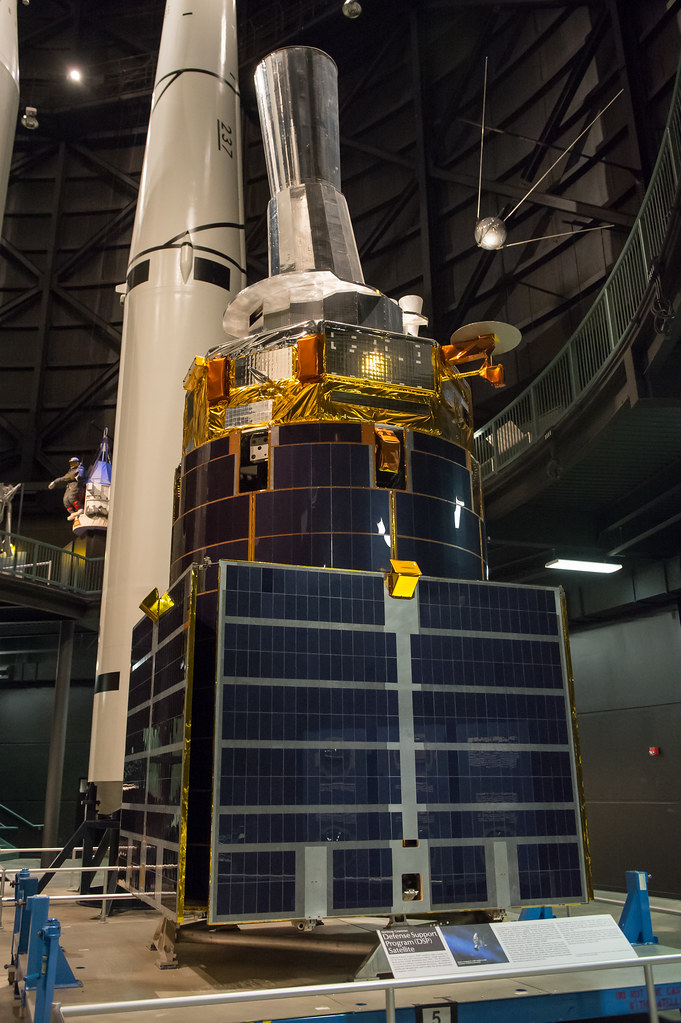
The nuclear-armed satellite is reportedly ready for launch by Russia, raising concerns about global security. This development marks a significant escalation in space military capabilities.
What is a nuclear-armed satellite?
A nuclear-armed satellite refers to a spacecraft equipped with nuclear weapons, designed to operate in space and potentially deliver a nuclear payload to a target on Earth. These satellites are part of a broader strategy to enhance national security and military capabilities, particularly in the context of deterrence.
The concept of a nuclear-armed satellite has gained traction in recent years, especially with advancements in technology and changes in global military dynamics. Countries may view such satellites as a means to maintain a strategic advantage, ensuring that they can respond to threats from adversaries effectively.
Some key features of nuclear-armed satellites include:
- Mobility: Their ability to maneuver in orbit allows for flexible targeting options.
- Survivability: Being in space makes them less vulnerable to traditional military strikes.
- Deterrence: The mere existence of such satellites can deter potential aggressors from initiating conflict.
However, the deployment of nuclear-armed satellites raises significant concerns regarding safety, escalation, and the potential for catastrophic accidents, making them a contentious subject in international relations.
Implications of Russia’s satellite launch
The recent launch of a nuclear-armed satellite by Russia raises significant concerns about global security and military balance. Analysts warn that the implications of this development could be far-reaching and potentially destabilizing.
One major concern is the potential escalation of an arms race. Countries may feel pressured to enhance their own military capabilities to counter the perceived threat posed by a nuclear-armed satellite. This could lead to:
- Increased military spending as nations strive to develop or modernize their own satellite systems.
- Heightened tensions between nuclear powers, possibly resulting in a more aggressive stance in international relations.
- Greater risk of miscalculation during conflicts, where the presence of such technology could provoke hasty decisions.
Additionally, the deployment of a nuclear-armed satellite might undermine existing arms control agreements. If nations perceive that they are in a race to acquire similar technologies, the delicate balance maintained through treaties could be jeopardized.
Ultimately, the implications of Russia’s satellite launch extend beyond mere military capability, potentially reshaping the landscape of international diplomacy and security.
How does this affect global security?
The emergence of a nuclear-armed satellite poses significant challenges to global security, raising concerns about the escalation of military tensions among nuclear powers. Experts suggest that the introduction of such technology could lead to a precarious arms race, where nations feel compelled to enhance their own defenses in response to perceived threats.
Strategically, the presence of a nuclear-armed satellite could alter the balance of power. Countries may reassess their military strategies and alliances, potentially leading to:
- Increased military spending: Nations may invest heavily in countermeasures, including advanced missile defense systems.
- Heightened tensions: The mere existence of such a satellite could provoke fear and paranoia, resulting in aggressive posturing among nations.
- Risk of miscalculation: With more players involved in the nuclear game, the likelihood of misunderstandings and accidental confrontations could rise.
As we assess the implications of Russia’s satellite launch, it becomes clear that a nuclear-armed satellite is not just a technological advancement; it represents a fundamental shift in how nations perceive security and deterrence. The coming months will be crucial in determining whether this development leads to stability or a new phase of global insecurity.
Historical context of military satellites
The development of military satellites has a long and complex history, marked by technological advancements and geopolitical tensions. The first military satellite, Explorer 1, was launched by the United States in 1958, kicking off the space race. Over the decades, nations have invested heavily in satellite technology for various purposes, including reconnaissance, communication, and navigation.
As tensions between military powers increased, the focus shifted towards more advanced capabilities. By the late 20th century, satellites began to play a crucial role in strategic defense, including the potential for nuclear-armed satellites. The Cold War era saw the deployment of various satellite systems designed to enhance nuclear deterrence and early warning capabilities.
In recent years, countries such as Russia and China have pursued developments that raise concerns about the militarization of space. The prospect of a nuclear-armed satellite raises questions about the stability of international relations and the risks of escalation during conflicts. As global powers continue to invest in space technologies, the historical context of military satellites serves as a crucial backdrop for understanding the implications of such advancements today.
Expert opinions on space militarization
Experts are divided on the implications of a nuclear-armed satellite, especially in the context of increasing militarization of space. Some analysts argue that such developments could escalate tensions between major powers, while others believe that they might serve as a deterrent.
- Dr. Helen Carter, a space policy analyst, states, “The introduction of nuclear-armed satellites raises significant concerns regarding the arms race in space. It could lead to other nations pursuing similar technologies, undermining global security.”
- Professor Mark Liu, a strategic studies expert, argues, “While the concept of a nuclear-armed satellite might sound alarming, it could also provide a strategic balance. If managed correctly, it may prevent conventional warfare from escalating into nuclear conflict.”
- Dr. Sarah Thompson, a historian specializing in military technology, adds, “Historically, military advancements have often been met with fear. However, the reality is that these developments can also lead to diplomatic negotiations and arms control agreements.”
As nations continue to explore their options in space, the debate surrounding the safety and effectiveness of a nuclear-armed satellite remains a contentious topic among experts.
By mark6mauno via Openverse