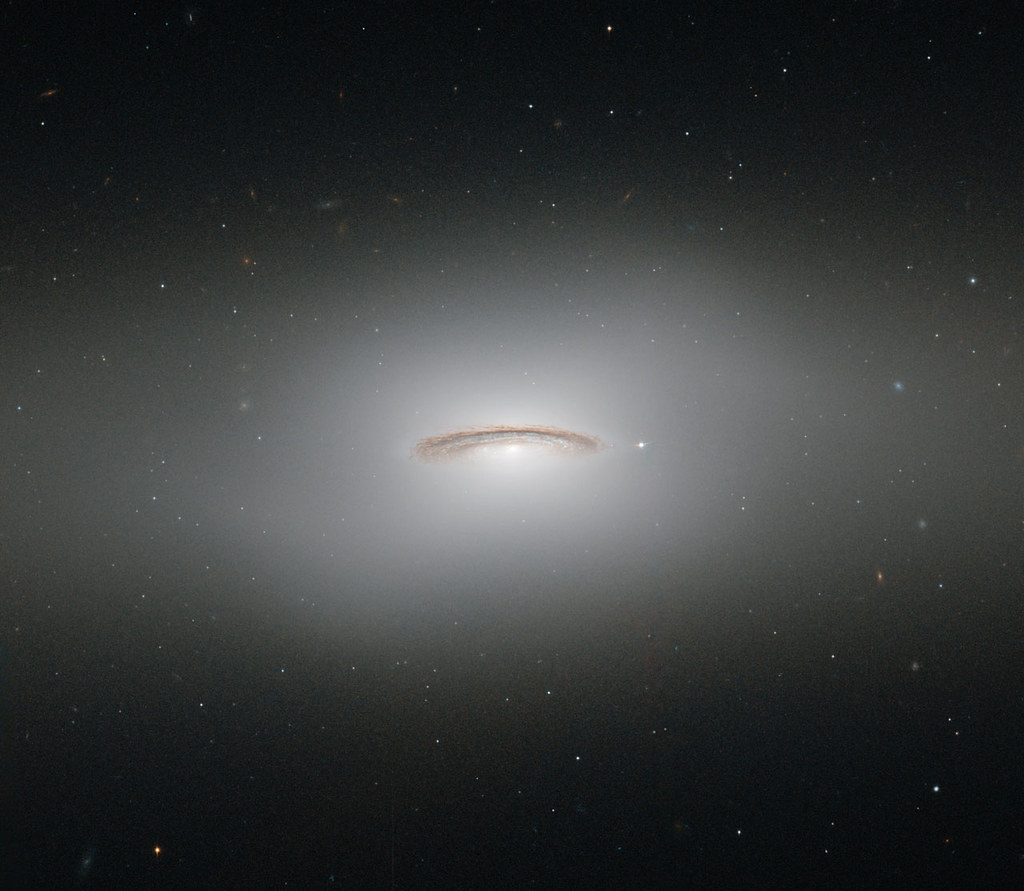
Black holes spinning fast can lead to unexpected outcomes, including the possibility of splitting apart. A recent astrophysics study sheds light on this intriguing concept.
What Are Black Holes?
Black holes are among the most mysterious and fascinating objects in the universe. They are formed from the remnants of massive stars that have collapsed under their own gravity after exhausting their nuclear fuel. The core contracts and becomes incredibly dense, creating a region from which no light can escape, hence the term “black hole.”
There are different types of black holes, primarily categorized into three classes:
- Stellar black holes – These form when a massive star collapses and can range from a few to several tens of solar masses.
- Supermassive black holes – Found at the centers of galaxies, these can contain millions to billions of solar masses, likely formed from the merging of smaller black holes and gas accretion.
- Intermediate black holes – These are less understood but are thought to exist between stellar and supermassive black holes, with masses ranging from hundreds to thousands of suns.
One of the intriguing aspects of black holes is their rotation. Black holes spinning fast can exhibit unique properties, including effects that challenge our understanding of physics. Recent studies suggest that if they spin too rapidly, they may even split apart “like pants,” raising questions about their stability and the potential threats they pose in the cosmos.
How Do Black Holes Spin?
Black holes, the enigmatic giants of the universe, can spin at astonishing speeds, influencing their surroundings in ways that still baffle scientists. The spin of a black hole is determined by its angular momentum, which is derived from the material that formed it or from matter it has consumed over time.
When a black hole spins fast, it can create a phenomenon known as frame dragging, where space-time itself is twisted around the black hole. This effect can lead to some intriguing consequences:
- Accretion Disks: Fast-spinning black holes can generate intense accretion disks of gas and dust, which heat up and emit powerful radiation.
- Jet Formation: They can produce relativistic jets, streams of particles ejected at nearly the speed of light, which can impact surrounding cosmic structures.
- Destabilization: If a black hole spins too fast, it risks becoming unstable, potentially splitting apart under certain conditions.
This instability underscores the idea that black holes spinning fast may pose risks that extend beyond their immediate vicinity, raising questions about their role in the cosmic ecosystem.
The Mechanics of Black Hole Splitting
Recent studies have suggested that black holes spinning fast may have the potential to split apart under certain conditions. This phenomenon can be understood through the mechanics of their rotational dynamics. As a black hole spins, it generates immense gravitational forces that can warp the fabric of space-time around it.
When a black hole’s spin reaches critical speeds, the forces at play may become unstable. Researchers liken this process to the way pants might split apart at the seams if pulled too tightly. In the realm of astrophysics, this means that the structural integrity of a rapidly spinning black hole could fail, leading to an event known as black hole splitting.
The implications of such an event are profound. If a black hole were to split, it could potentially release vast amounts of energy and matter into the surrounding space. This could have catastrophic effects on nearby celestial bodies, making black holes spinning fast a topic of significant concern for astrophysicists.
Understanding the mechanics of black hole splitting not only sheds light on their behavior but also enhances our knowledge of cosmic threats that could affect the universe as a whole.
Implications of Fast-Spinning Black Holes
The recent study on black holes spinning fast has unveiled several alarming implications for our understanding of the universe. Scientists have long known that black holes possess immense gravitational forces, but the speed at which they spin can significantly alter their behavior and potential risks they pose to surrounding celestial bodies.
When black holes rotate at near-light speeds, they can create powerful jets of particles that may extend across vast distances. These jets can disrupt the formation of stars and potentially affect the stability of entire galaxies. Researchers outline several key concerns:
- Gravitational Waves: Fast-spinning black holes are likely to produce stronger gravitational waves, which can be detected across great distances, offering insights into cosmic events.
- Galactic Evolution: The interaction between fast-spinning black holes and their host galaxies may lead to unforeseen changes in star formation and galaxy structure.
- Potential for Splitting: As indicated in the study, black holes spinning too quickly may split apart, leading to the release of energy that can have catastrophic effects on their surroundings.
Understanding these implications is critical for astrophysics as we continue to explore the mysteries of fast-spinning black holes and their role in the universe.
Recent Astrophysics Study Findings
Recent research conducted by a team of astrophysicists has shed light on the potential dangers posed by black holes spinning fast. The study reveals that when these cosmic giants reach extreme rotational speeds, they may become unstable, leading to catastrophic consequences.
The key findings from the study suggest:
- Instability Threshold: Black holes can exceed a critical limit of spin, beyond which they may split apart.
- Cosmic Threat: Fast-spinning black holes could emit powerful jets of radiation, posing risks to nearby celestial bodies.
- Formation of New Structures: The splitting of a black hole may lead to the formation of new cosmic structures, potentially altering the fabric of space-time.
In essence, the implications of the study underline the importance of monitoring black holes spinning fast in our universe. As researchers continue to explore these phenomena, understanding their behavior could be crucial for predicting cosmic events that might impact surrounding environments. The potential for black holes to disrupt their surroundings adds an intriguing layer to the ongoing study of these mysterious entities in space.
Future Research on Black Holes
Future research on black holes spinning fast is crucial for understanding their potential threats to the universe. As scientists continue to explore the dynamics of these enigmatic cosmic entities, several key areas of inquiry are emerging.
- Observation Techniques: Advancements in telescope technology may allow astronomers to observe fast-spinning black holes more effectively. This could provide insights into their behavior and characteristics.
- Theoretical Models: Developing more sophisticated models to predict the effects of fast rotation is essential. These models can help scientists determine the conditions under which black holes may become unstable.
- Interstellar Implications: Understanding how black holes interact with surrounding matter is vital. Fast-spinning black holes could have significant effects on star formation and the structure of galaxies.
- Gravitational Waves: Future research may also focus on detecting gravitational waves produced by merging fast-spinning black holes. This could offer a new avenue for studying their properties and behaviors.
As researchers dive deeper into these areas, the implications of fast-spinning black holes could reshape our understanding of the cosmos and its potential threats.
Recent studies suggest that black holes spinning fast may pose a greater risk to surrounding celestial bodies than previously thought. Understanding how black holes spinning fast interact with their environments could help scientists predict potential cosmic threats.
By NASA Goddard Photo and Video via Openverse