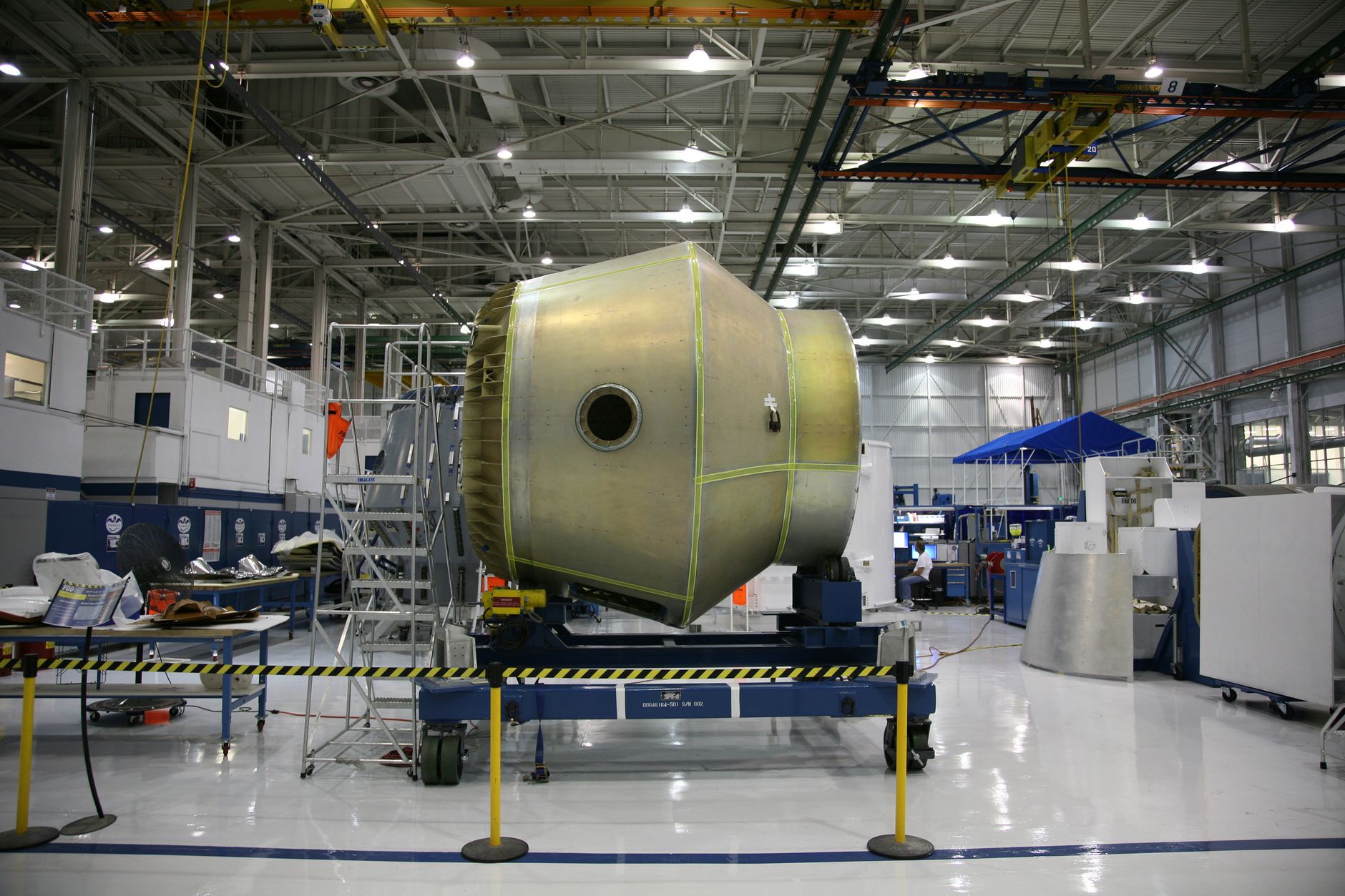
Gaganyaan crew module tests have been successfully completed, showcasing ISRO’s commitment to advancing India’s human spaceflight capabilities.
Overview of Gaganyaan Mission
The Gaganyaan mission, India’s ambitious foray into human spaceflight, aims to send a crew of astronauts into low Earth orbit. Recently, the Indian Space Research Organisation (ISRO) achieved a significant milestone by successfully completing critical Gaganyaan crew module tests. These tests involved the separation of the crew module from the service module, a crucial step in ensuring the safety and success of future manned missions.
ISRO’s rigorous testing procedures have demonstrated the reliability of the technology being developed for this mission. The crew module is designed to support life in space, providing essential systems for the astronauts during their journey. The completion of these tests brings India closer to launching its first crewed mission, marking a historic moment in the nation’s space exploration efforts.
- Mission aims to enhance India’s capabilities in space
- Focus on astronaut safety and mission success
- Part of India’s long-term space exploration goals
Importance of Crew Module Tests
The successful completion of the Gaganyaan crew module tests marks a significant milestone for the Indian Space Research Organisation (ISRO). These tests are crucial in ensuring the safety and reliability of the crew module, which is designed to carry astronauts into space.
By validating the separation mechanisms between the crew module and the service module, ISRO demonstrates its commitment to achieving a successful human spaceflight mission. The rigorous testing process also enhances the crew’s safety, focusing on various scenarios that may arise during the mission.
Furthermore, the Gaganyaan crew module tests contribute to India’s growing expertise in space technology, fostering advancements in engineering and research. As ISRO prepares for future missions, these tests lay the groundwork for a robust human spaceflight program.
ISRO’s Achievements in Space
The Indian Space Research Organisation (ISRO) has made significant strides in its ambitious Gaganyaan mission. Recently, the agency successfully completed crucial tests, marking a pivotal moment in India’s quest for human spaceflight. These tests are essential for validating the functionality and safety of the crew module, which is designed to carry astronauts into orbit.
Among the notable achievements, ISRO demonstrated effective crew module-service module separation, a critical operation that ensures the safety of astronauts during their journey. The success of these tests underscores ISRO’s commitment to advancing its space capabilities and highlights the rigorous approach the organization takes towards ensuring astronaut safety.
As the Gaganyaan crew module tests continue to yield positive results, India is poised to join the ranks of nations capable of sending humans into space, a significant milestone for the nation’s space program.
Future of Human Spaceflight in India
The successful completion of the Gaganyaan crew module tests marks a significant milestone in India’s journey towards human spaceflight. With these tests, the Indian Space Research Organisation (ISRO) has demonstrated its capability to develop a safe and reliable crew module, essential for future missions.
As India progresses in its space exploration endeavors, the implications of these tests extend beyond the Gaganyaan mission. They lay the groundwork for more ambitious projects, including potential collaborations with international space agencies and the exploration of deeper space missions.
Moreover, the advancements achieved through the Gaganyaan crew module tests are expected to inspire a new generation of scientists and engineers. This success reinforces India’s position in the global space community and showcases its commitment to pioneering human spaceflight.
Technical Details of the Service Module
The recent tests conducted on the Gaganyaan crew module have showcased the advanced capabilities of ISRO’s engineering teams. The primary focus was on the Service Module, which plays a crucial role in supporting the crew during their journey to space.
Key aspects of the tests included:
- Separation Mechanism: The successful execution of the crew module-service module separation was pivotal, ensuring that both components can function independently during the mission.
- Thermal Protection: The module’s ability to withstand extreme temperatures during re-entry was validated, an essential feature for crew safety.
- Power Systems: The reliability of the power management systems was tested to ensure continuous operation throughout the mission.
These rigorous Gaganyaan crew module tests mark a significant milestone in India’s quest for human spaceflight.
What Comes Next for Gaganyaan
With the successful completion of the Gaganyaan crew module tests, the Indian Space Research Organisation (ISRO) is gearing up for the next phases of the ambitious mission. The focus will now shift to integrating the crew module with the launch vehicle and conducting extensive system checks.
Upcoming milestones include:
- Finalizing the Launch Vehicle: Ensuring the rocket is fully prepared for the mission.
- Conducting Simulation Exercises: Testing various scenarios to ensure crew safety and mission success.
- Preparing for Astronaut Training: Initiating training programs for the selected astronauts.
As ISRO progresses, international collaborations may also be explored to enhance research and technology sharing, further solidifying India’s position in the global space arena.
International Collaboration in Space
The Gaganyaan crew module tests signify not only a major milestone for the Indian Space Research Organisation (ISRO) but also highlight the importance of international collaboration in space exploration. Partnerships with various space agencies and research institutions around the world have enhanced the capabilities of ISRO in executing ambitious projects like Gaganyaan.
Countries such as the United States, Russia, and members of the European Space Agency have provided invaluable expertise and support. This collaborative effort ensures that critical technologies are shared and best practices are implemented, paving the way for a more robust crew module.
As the Gaganyaan crew module tests progress, these international partnerships are crucial in addressing challenges and advancing human spaceflight initiatives. The successful completion of these tests positions India as a key player in global space exploration efforts.
Public Interest in Space Exploration
The recent Gaganyaan crew module tests have reignited public interest in space exploration, highlighting India’s ambitions in the cosmos. As ISRO continues to make significant strides in its mission, citizens are increasingly fascinated by the possibilities that human spaceflight presents.
Social media platforms are buzzing with discussions and excitement regarding the upcoming Gaganyaan mission, as people share their hopes and expectations for India’s journey into space.
Moreover, educational institutions are leveraging this momentum to inspire the next generation of scientists and engineers. Initiatives aimed at promoting STEM education are gaining traction, encouraging students to explore careers in aerospace and technology.
As the Gaganyaan crew module tests demonstrate ISRO’s capabilities, they serve as a reminder of the crucial role that space exploration plays in fostering innovation and national pride.
Photo by SpaceX on Pexels
References
You might also like
Monitor emissions: Best proven methods for tracking air quality · Gaganyaan Uncrewed Mission: Clear Module Tests Proven Safe · Withings Apple Health sync: The Costly Annual Fee Explained