Tag: space mission

  • Gaganyaan crew module tests: Clear Success for ISRO

    Gaganyaan crew module tests: Clear Success for ISRO

    Gaganyaan crew module tests have been successfully completed, showcasing ISRO’s commitment to advancing India’s human spaceflight capabilities.

    Overview of Gaganyaan Mission

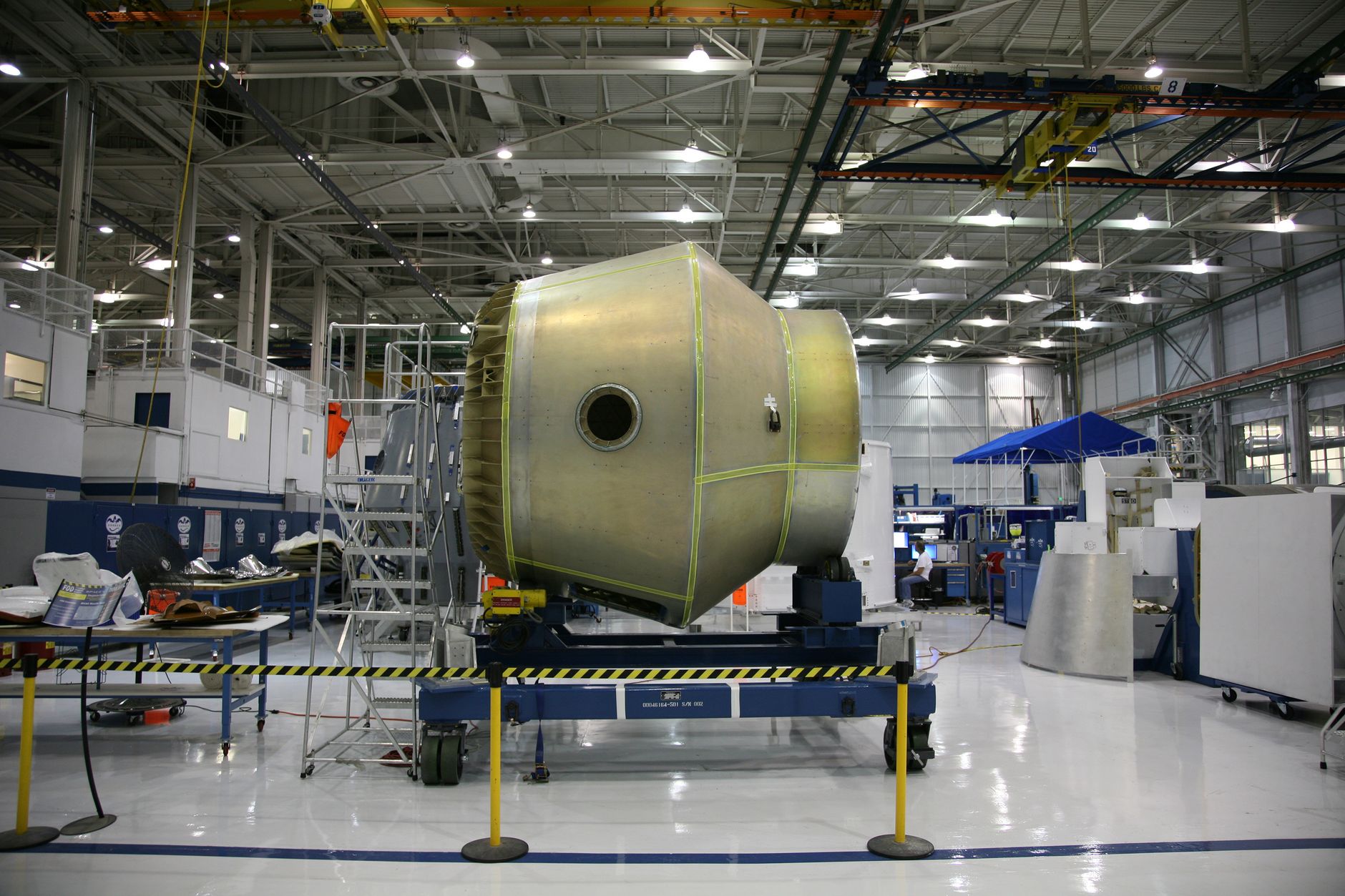
    The Gaganyaan mission, India’s ambitious foray into human spaceflight, aims to send a crew of astronauts into low Earth orbit. Recently, the Indian Space Research Organisation (ISRO) achieved a significant milestone by successfully completing critical Gaganyaan crew module tests. These tests involved the separation of the crew module from the service module, a crucial step in ensuring the safety and success of future manned missions.

    ISRO’s rigorous testing procedures have demonstrated the reliability of the technology being developed for this mission. The crew module is designed to support life in space, providing essential systems for the astronauts during their journey. The completion of these tests brings India closer to launching its first crewed mission, marking a historic moment in the nation’s space exploration efforts.

    • Mission aims to enhance India’s capabilities in space
    • Focus on astronaut safety and mission success
    • Part of India’s long-term space exploration goals

    Importance of Crew Module Tests

    The successful completion of the Gaganyaan crew module tests marks a significant milestone for the Indian Space Research Organisation (ISRO). These tests are crucial in ensuring the safety and reliability of the crew module, which is designed to carry astronauts into space.

    By validating the separation mechanisms between the crew module and the service module, ISRO demonstrates its commitment to achieving a successful human spaceflight mission. The rigorous testing process also enhances the crew’s safety, focusing on various scenarios that may arise during the mission.

    Furthermore, the Gaganyaan crew module tests contribute to India’s growing expertise in space technology, fostering advancements in engineering and research. As ISRO prepares for future missions, these tests lay the groundwork for a robust human spaceflight program.

    ISRO’s Achievements in Space

    The Indian Space Research Organisation (ISRO) has made significant strides in its ambitious Gaganyaan mission. Recently, the agency successfully completed crucial tests, marking a pivotal moment in India’s quest for human spaceflight. These tests are essential for validating the functionality and safety of the crew module, which is designed to carry astronauts into orbit.

    Among the notable achievements, ISRO demonstrated effective crew module-service module separation, a critical operation that ensures the safety of astronauts during their journey. The success of these tests underscores ISRO’s commitment to advancing its space capabilities and highlights the rigorous approach the organization takes towards ensuring astronaut safety.

    As the Gaganyaan crew module tests continue to yield positive results, India is poised to join the ranks of nations capable of sending humans into space, a significant milestone for the nation’s space program.

    Future of Human Spaceflight in India

    The successful completion of the Gaganyaan crew module tests marks a significant milestone in India’s journey towards human spaceflight. With these tests, the Indian Space Research Organisation (ISRO) has demonstrated its capability to develop a safe and reliable crew module, essential for future missions.

    As India progresses in its space exploration endeavors, the implications of these tests extend beyond the Gaganyaan mission. They lay the groundwork for more ambitious projects, including potential collaborations with international space agencies and the exploration of deeper space missions.

    Moreover, the advancements achieved through the Gaganyaan crew module tests are expected to inspire a new generation of scientists and engineers. This success reinforces India’s position in the global space community and showcases its commitment to pioneering human spaceflight.

    Technical Details of the Service Module

    The recent tests conducted on the Gaganyaan crew module have showcased the advanced capabilities of ISRO’s engineering teams. The primary focus was on the Service Module, which plays a crucial role in supporting the crew during their journey to space.

    Key aspects of the tests included:

    • Separation Mechanism: The successful execution of the crew module-service module separation was pivotal, ensuring that both components can function independently during the mission.
    • Thermal Protection: The module’s ability to withstand extreme temperatures during re-entry was validated, an essential feature for crew safety.
    • Power Systems: The reliability of the power management systems was tested to ensure continuous operation throughout the mission.

    These rigorous Gaganyaan crew module tests mark a significant milestone in India’s quest for human spaceflight.

    What Comes Next for Gaganyaan

    With the successful completion of the Gaganyaan crew module tests, the Indian Space Research Organisation (ISRO) is gearing up for the next phases of the ambitious mission. The focus will now shift to integrating the crew module with the launch vehicle and conducting extensive system checks.

    Upcoming milestones include:

    • Finalizing the Launch Vehicle: Ensuring the rocket is fully prepared for the mission.
    • Conducting Simulation Exercises: Testing various scenarios to ensure crew safety and mission success.
    • Preparing for Astronaut Training: Initiating training programs for the selected astronauts.

    As ISRO progresses, international collaborations may also be explored to enhance research and technology sharing, further solidifying India’s position in the global space arena.

    International Collaboration in Space

    The Gaganyaan crew module tests signify not only a major milestone for the Indian Space Research Organisation (ISRO) but also highlight the importance of international collaboration in space exploration. Partnerships with various space agencies and research institutions around the world have enhanced the capabilities of ISRO in executing ambitious projects like Gaganyaan.

    Countries such as the United States, Russia, and members of the European Space Agency have provided invaluable expertise and support. This collaborative effort ensures that critical technologies are shared and best practices are implemented, paving the way for a more robust crew module.

    As the Gaganyaan crew module tests progress, these international partnerships are crucial in addressing challenges and advancing human spaceflight initiatives. The successful completion of these tests positions India as a key player in global space exploration efforts.

    Public Interest in Space Exploration

    The recent Gaganyaan crew module tests have reignited public interest in space exploration, highlighting India’s ambitions in the cosmos. As ISRO continues to make significant strides in its mission, citizens are increasingly fascinated by the possibilities that human spaceflight presents.

    Social media platforms are buzzing with discussions and excitement regarding the upcoming Gaganyaan mission, as people share their hopes and expectations for India’s journey into space.

    Moreover, educational institutions are leveraging this momentum to inspire the next generation of scientists and engineers. Initiatives aimed at promoting STEM education are gaining traction, encouraging students to explore careers in aerospace and technology.

    As the Gaganyaan crew module tests demonstrate ISRO’s capabilities, they serve as a reminder of the crucial role that space exploration plays in fostering innovation and national pride.

    Photo by SpaceX on Pexels

    References

    Adda247

    You might also like

    Monitor emissions: Best proven methods for tracking air quality · Gaganyaan Uncrewed Mission: Clear Module Tests Proven Safe · Withings Apple Health sync: The Costly Annual Fee Explained
  • Gaganyaan Uncrewed Mission: Clear Module Tests Proven Safe

    Gaganyaan Uncrewed Mission: Clear Module Tests Proven Safe

    Gaganyaan uncrewed mission has successfully cleared its module separation tests, marking a significant milestone ahead of its first flight. This achievement showcases the program’s commitment to safety and reliability in space exploration.

    Overview of Gaganyaan Mission

    The Gaganyaan uncrewed mission represents a significant milestone in India’s space exploration efforts. This ambitious project, led by the Indian Space Research Organisation (ISRO), aims to send humans into space for the first time. As part of the preparations for this landmark mission, ISRO has successfully completed critical module separation tests, ensuring the safety and reliability of the spacecraft.

    The testing phase involved rigorous assessments to confirm that all systems function optimally during various stages of the mission. With the completion of these tests, ISRO has demonstrated its commitment to achieving a safe and successful launch.

    Key highlights of the Gaganyaan uncrewed mission include:

    • Safety Assurance: Comprehensive testing of module separation mechanisms.
    • Technological Advancement: Incorporation of cutting-edge technology for spacecraft design.
    • Future Manned Missions: Paving the way for subsequent crewed missions to space.

    Overall, the Gaganyaan uncrewed mission is poised to enhance India’s position in the global space race, showcasing its technological prowess and innovative spirit.

    Importance of Module Separation Tests

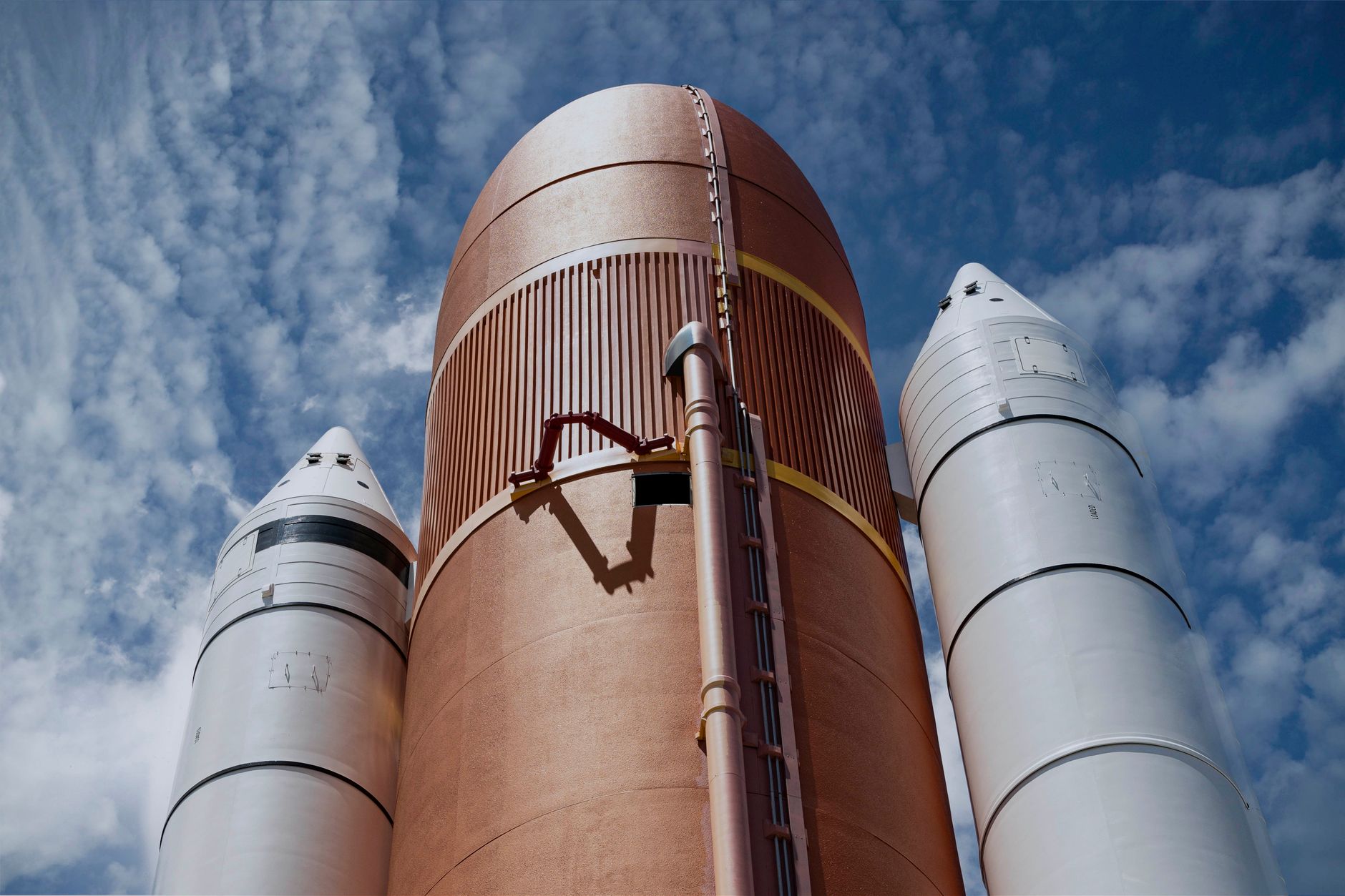
    The successful completion of module separation tests is a significant milestone for the Gaganyaan uncrewed mission. These tests are crucial to ensuring the safety and reliability of the spacecraft’s components during its journey. The separation of modules involves critical phases, where different sections of the spacecraft must detach and function independently. This process is vital for the overall mission success.

    During the tests, engineers monitored various parameters to assess the performance of each module. The results demonstrated that the separation mechanisms operated as intended, indicating a robust design and engineering process.

    The importance of these tests extends beyond mere functionality; they also enhance the confidence of mission planners and stakeholders. Ensuring that the modules can safely detach is essential for the subsequent phases of the mission, including orbital maneuvers and potential crewed missions in the future.

    In summary, the successful module separation tests for the Gaganyaan uncrewed mission pave the way for further advancements in India’s space exploration efforts.

    Timeline for Upcoming Uncrewed Flight

    The timeline for the upcoming Gaganyaan uncrewed mission has been outlined by officials at the Indian Space Research Organisation (ISRO). Following the successful completion of module separation tests, which confirmed the safety and reliability of the spacecraft, the focus now shifts to the flight readiness review.

    Key milestones leading up to the launch include:

    • Initial Testing: All necessary ground tests for the spacecraft modules have been completed.
    • Integration Phase: The integration of the modules into the launch vehicle is set to begin in early 2024.
    • Flight Readiness Review: This critical assessment will take place a few weeks before the planned launch date.
    • Launch Window: The uncrewed mission is tentatively scheduled for mid-2024, depending on the success of preceding tests and evaluations.

    As preparations continue, ISRO remains committed to achieving a safe and successful launch, marking a significant step towards India’s crewed space mission in the future.

    Challenges Faced in Space Missions

    The Gaganyaan uncrewed mission has been a significant milestone for India’s space exploration endeavors, but it has not been without its challenges. Several obstacles have emerged during the preparation phases, testing the resilience of the Indian Space Research Organisation (ISRO) and its technology.

    One of the primary challenges has been ensuring the safety and reliability of the spacecraft components. Rigorous testing protocols have been established to address potential issues, particularly with the module separation mechanisms that are crucial for mission success. These tests have revealed the importance of precise engineering and the necessity for redundancy in critical systems.

    Additionally, the integration of advanced technology has posed hurdles. Developing systems that can withstand the harsh conditions of space travel, such as extreme temperatures and radiation, has required innovative solutions and extensive research.

    • Ensuring reliable communication systems
    • Addressing potential software failures
    • Maintaining strict timelines despite setbacks

    Despite these challenges, the successful completion of the module separation tests marks a promising step forward for the Gaganyaan uncrewed mission.

    Future of Indian Space Exploration

    The future of Indian space exploration looks promising as the Gaganyaan uncrewed mission paves the way for significant advancements in technology and human spaceflight. With the successful module separation tests completed, the mission demonstrates India’s growing capabilities in space dynamics and safety protocols.

    India aims to establish itself as a formidable player in the global space race. The Gaganyaan uncrewed mission is not just a step toward sending humans into space but also a leap toward developing indigenous technologies that can support various space endeavors.

    In the coming years, the Indian Space Research Organisation (ISRO) plans to enhance its satellite launching capabilities and explore deep space missions. The Gaganyaan mission serves as a foundation for future projects, including:

    • Developing advanced satellites for communication and observation.
    • Launching interplanetary missions to Mars and beyond.
    • Collaborating with international space agencies for joint ventures.

    As these plans unfold, the Gaganyaan uncrewed mission will be a critical milestone that inspires future generations of scientists and engineers in India.

    Technological Innovations in Gaganyaan

    The Gaganyaan uncrewed mission represents a significant leap in India’s space technology, showcasing various innovative engineering solutions designed to enhance safety and efficiency. Among the noteworthy advancements are:

    • Revolutionary Propulsion Systems: The mission incorporates state-of-the-art propulsion technology that ensures precise maneuverability and safe operation during critical phases of flight.
    • Advanced Life Support Systems: Although uncrewed, the mission employs sophisticated life support mechanisms designed for future crewed missions, reflecting the foresight of Indian Space Research Organisation (ISRO).
    • Robust Communication Networks: Enhanced communication systems have been developed to maintain constant contact with ground control, facilitating real-time monitoring and data transmission.
    • Innovative Module Separation Techniques: The successful module separation tests underscore the reliability of the systems, crucial for the Gaganyaan uncrewed mission’s operational success.

    These technological innovations not only bolster the safety and reliability of the upcoming mission but also pave the way for India’s continued advancements in aerospace technology and exploration.

    Photo by john mckenna on Pexels

    References

    You might also like

  • SpaceX Crew-13 flight: Safe Arrival at Launch Pad

    SpaceX Crew-13 flight: Safe Arrival at Launch Pad

    SpaceX Crew-13 flight has successfully arrived at the launch pad, ready for its upcoming mission. This marks another milestone in NASA’s collaboration with SpaceX.

    The Journey of SpaceX Crew-13

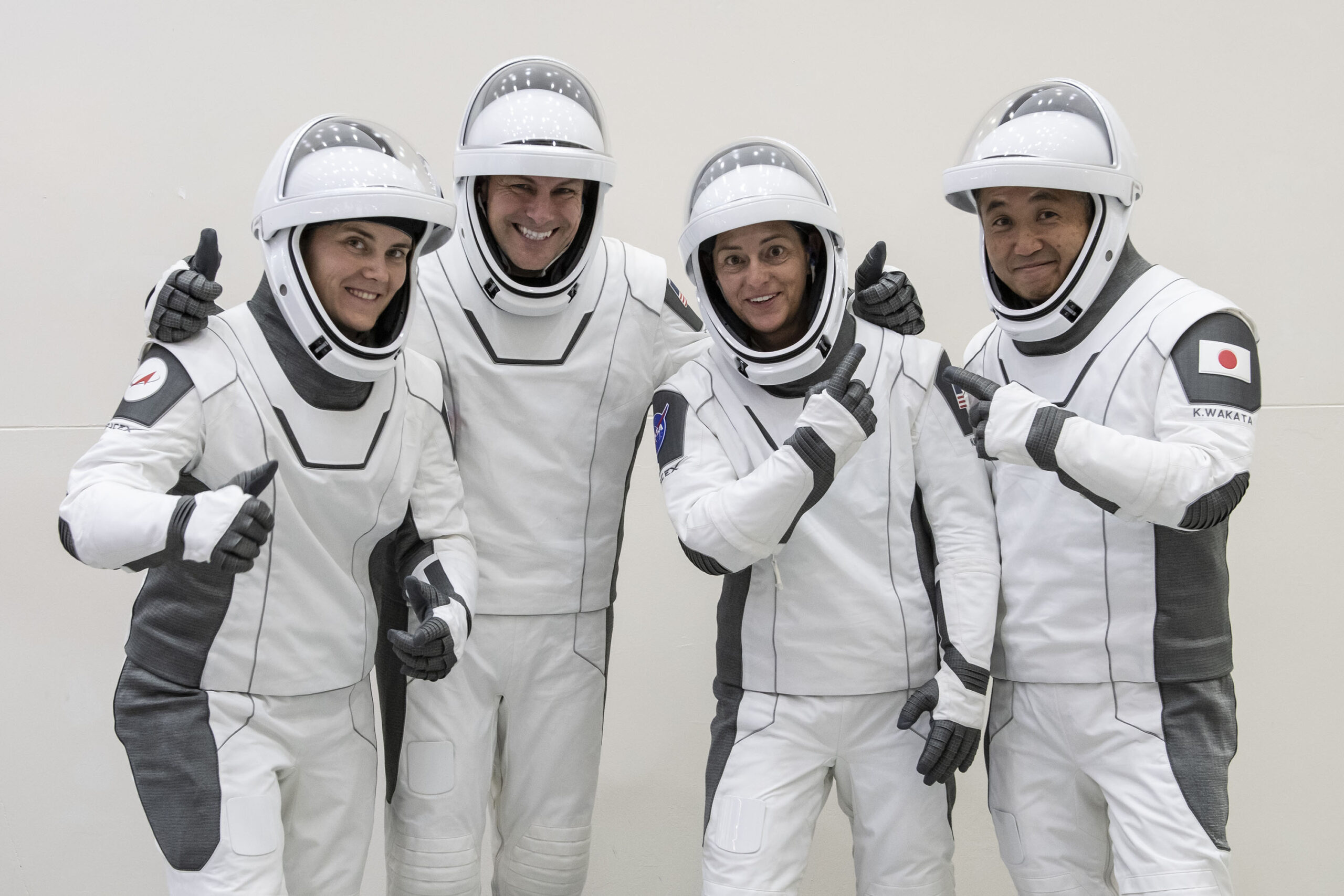
    The journey of SpaceX Crew-13 has been a remarkable experience for the astronauts involved. After months of preparation and training, the crew finally arrived at the launch pad, ready for their mission to the International Space Station.

    Upon their arrival, the team was greeted with enthusiasm and support from NASA personnel, who have been instrumental in ensuring the mission runs smoothly. The crew members looked poised and excited, reflecting on the significance of their upcoming flight.

    As part of the SpaceX Crew-13 flight, the astronauts will conduct important research and experiments aimed at advancing our understanding of space. This mission marks another milestone in the ongoing collaboration between NASA and SpaceX, showcasing the commitment to innovation in space exploration.

    With their preparations complete, the crew is now focused on the tasks ahead, eager to contribute to scientific progress and inspire future generations of explorers.

    What to Expect from the Upcoming Mission

    The anticipation surrounding the SpaceX Crew-13 flight is palpable as the crew prepares for their upcoming mission. This flight aims to deliver an experienced team to the International Space Station (ISS), where they will contribute to various scientific research projects and experiments.

    As we look forward to this significant event, here are some key elements to expect:

    • Launch Date: The mission is scheduled for lift-off in the coming weeks, marking a critical milestone in human spaceflight.
    • Crew Composition: The team includes seasoned astronauts, each bringing unique expertise to the mission.
    • Mission Objectives: The crew will conduct numerous experiments aimed at advancing our understanding of space and its effects on the human body.
    • Increased Collaboration: This mission reinforces international partnerships in space exploration.

    As excitement builds, the successful execution of the SpaceX Crew-13 flight will undoubtedly inspire future generations of explorers.

    Key Members of the Crew-13 Team

    The successful arrival of the SpaceX Crew-13 flight team at the launch pad marks a significant milestone in preparation for their upcoming mission. This well-trained crew is composed of experienced astronauts, each bringing unique skills to the mission.

    • Mark T. Vande Hei: A NASA astronaut with a wealth of experience in spaceflight, Vande Hei has previously spent over 355 days in space, making him a seasoned leader for the crew.
    • Kimiya Yui: Representing the Japan Aerospace Exploration Agency (JAXA), Yui is well-versed in international collaboration, contributing valuable insights to the mission.
    • Thomas Marshburn: A veteran astronaut and physician, Marshburn has participated in multiple space missions and brings medical expertise to the team.
    • Kayla Barron: Recently selected for this mission, Barron is poised to make her spaceflight debut, adding fresh perspectives and enthusiasm to the crew.

    Together, these astronauts form a dynamic team ready to embark on the SpaceX Crew-13 flight adventure.

    NASA and SpaceX Collaboration Highlights

    The collaboration between NASA and SpaceX continues to strengthen as they prepare for the SpaceX Crew-13 flight. This partnership has revolutionized space travel, making it more efficient and cost-effective. Key highlights of this collaboration include:

    • Innovative Technology: SpaceX has developed advanced spacecraft like the Dragon 2, which enhances crew safety and mission capabilities.
    • Shared Expertise: NASA scientists and SpaceX engineers work together, combining their expertise to tackle challenges and improve mission outcomes.
    • Regular Communication: Continuous dialogue between NASA and SpaceX ensures that both parties are aligned on mission objectives and safety protocols.
    • Increased Accessibility: This partnership has made space more accessible to a wider audience, fostering interest in STEM fields among younger generations.

    With the successful arrival of the Crew-13 team at the launch pad, the anticipation for this mission grows as both organizations prepare for a landmark achievement in human space exploration.

    By SpaceX via Openverse

    References

    NASA (.gov)

    Related reading

    One UI 9.0 Update: Best Features You’ll Love · ASYLUM Game Release: The Best Proven Experience for Gamers · Football Manager 27 Release Date: The Best Details You Need