Tag: space technology

  • NavIC system restoration: Best Proven Satellite Launch

    NavIC system restoration is a significant achievement for ISRO, marking a new chapter in India’s satellite navigation capabilities with the successful launch of the NVS-03 satellite.

    Overview of the NavIC System

    The NavIC system, developed by the Indian Space Research Organisation (ISRO), is a regional satellite navigation system that provides accurate position information to users in India and the surrounding region. This system, which stands for Navigation with Indian Constellation, aims to offer an alternative to global positioning systems like GPS.

    After facing some operational challenges, the NavIC system has been successfully restored with the recent launch of the NVS-03 satellite. This launch marks a significant milestone in enhancing the capabilities and reliability of the NavIC system.

    Key features of the NavIC system include:

    • High Accuracy: The system is designed to provide positioning accuracy of better than 20 meters.
    • Regional Coverage: NavIC covers India and a region extending approximately 1,500 kilometers around it.
    • Multiple Signals: It transmits signals in L5 and S bands, improving service quality for various applications.

    The restoration of the NavIC system demonstrates ISRO’s commitment to providing reliable navigation services, which are crucial for applications ranging from transportation to disaster management.

    Significance of the NVS-03 Launch

    The successful launch of the NVS-03 satellite marks a significant milestone in the restoration of the NavIC system. This advanced satellite navigation system, developed by the Indian Space Research Organisation (ISRO), provides accurate positioning services to users across India and the surrounding region.

    With the NVS-03 launch, ISRO aims to enhance the capabilities of the NavIC system, ensuring that it remains a reliable alternative to global navigation systems. The NVS-03 satellite is equipped with state-of-the-art technology that not only improves signal quality but also extends the operational lifespan of the navigation system.

    The significance of this launch can be highlighted through the following key points:

    • Enhanced Accuracy: The NVS-03 satellite ensures improved precision in location services.
    • Broader Coverage: It expands the geographical reach of the NavIC system beyond traditional boundaries.
    • Reliability: The restoration of the NavIC system reinforces India’s self-reliance in satellite navigation.
    • Technological Advancement: The satellite incorporates cutting-edge technology, positioning India as a leader in space navigation.

    Overall, the NVS-03 launch is a pivotal step towards fully restoring and modernizing the NavIC system, which is essential for various applications, including agriculture, transportation, and disaster management.

    How NavIC Enhances Navigation

    The NavIC system, developed by the Indian Space Research Organisation (ISRO), significantly enhances navigation capabilities across the Indian subcontinent. With the recent restoration of the NavIC system through the successful NVS-03 satellite launch, users can expect improved accuracy and reliability in location-based services.

    NavIC operates with a constellation of seven satellites, providing precise positioning data. This system is particularly beneficial for:

    • Geolocation Services: Enabling devices to determine their location with high accuracy.
    • Transportation: Assisting in route optimization and traffic management for various transportation modes.
    • Agriculture: Supporting precision farming techniques by offering accurate land and crop management data.
    • Disaster Management: Facilitating real-time monitoring and response during natural calamities.

    Moreover, the NavIC system is designed to function effectively in urban canyons and dense forests, making it a reliable choice for various applications. The restoration of the NavIC system not only strengthens India’s satellite navigation capabilities but also positions the country as a key player in the global navigation landscape.

    Challenges Faced by ISRO

    The Indian Space Research Organisation (ISRO) encountered several challenges while working towards the restoration of the NavIC system. These obstacles highlighted the complexities involved in maintaining a reliable navigation service.

    • Technical Hurdles: The integration of the new NVS-03 satellite required advanced technology to ensure compatibility with existing satellites. This necessitated extensive testing and validation processes.
    • Launch Delays: Weather conditions and technical glitches have previously caused postponements, impacting the timely deployment of the satellite needed for the NavIC system restoration.
    • Resource Management: Balancing resources was critical, as ISRO had to prioritize the NavIC system alongside other ongoing projects, which added pressure on their operational capabilities.
    • Public Expectations: With increasing reliance on navigation services, ISRO faced heightened expectations from the public and stakeholders for a swift resolution to the system’s issues.

    Despite these challenges, ISRO’s resilient approach and commitment to innovation have paved the way for successful restoration efforts, ensuring that the NavIC system continues to enhance navigation capabilities across India and beyond.

    Future of India’s Space Programs

    The future of India’s space programs looks promising, especially with the recent NavIC system restoration following the successful launch of the NVS-03 satellite. This advancement highlights India’s commitment to enhancing its space capabilities and maintaining its edge in satellite navigation technology.

    In the coming years, ISRO plans to expand its satellite network, ensuring robust coverage across the Indian subcontinent and beyond. The integration of newer technologies will enable more precise positioning services and improved data transmission.

    Key initiatives expected to shape the future include:

    • Enhanced Satellite Constellation: Plans to launch additional satellites to strengthen the NavIC system.
    • International Collaborations: Partnerships with other nations to share knowledge and enhance technology.
    • Commercial Applications: Expanding the use of NavIC in sectors such as agriculture, transportation, and disaster management.

    As India prepares for its next phase in space exploration, the restoration of the NavIC system stands as a testament to ISRO’s resilience and innovative spirit, paving the way for groundbreaking advancements in both national and global contexts.

    Public Reception of the Launch

    The recent launch of the NVS-03 satellite has generated a wave of positive public reception, particularly regarding the restoration of the NavIC system. Many citizens expressed their enthusiasm and pride in India’s space capabilities, highlighting the significance of the achievement in enhancing navigation systems across the country.

    Social media platforms have been abuzz with discussions about the successful launch, with users sharing their thoughts on how the NavIC system restoration will impact various sectors, from agriculture to transportation. The launch has reaffirmed public trust in the Indian Space Research Organisation (ISRO) and its commitment to technological advancement.

    Among the most common sentiments expressed by the public include:

    • Increased connectivity: Many believe that the improved NavIC system will lead to better navigation and location tracking.
    • Economic growth: The potential applications of NavIC in different industries are seen as a boon for India’s economy.
    • National pride: Citizens are proud of India’s achievements in space technology, viewing the restoration as a step towards self-reliance.

    Overall, the feedback from the public reflects optimism about the future of India’s space exploration and technology initiatives.

    The successful launch of the latest satellite marks a significant milestone in the NavIC system restoration efforts. As engineers celebrate this achievement, they emphasize the importance of ongoing support for the NavIC system restoration to enhance regional navigation capabilities.
    References

    More on this site

  • Rocket Lab satellites: What’s the Best Launch Strategy?

    Rocket Lab satellites: What’s the Best Launch Strategy?

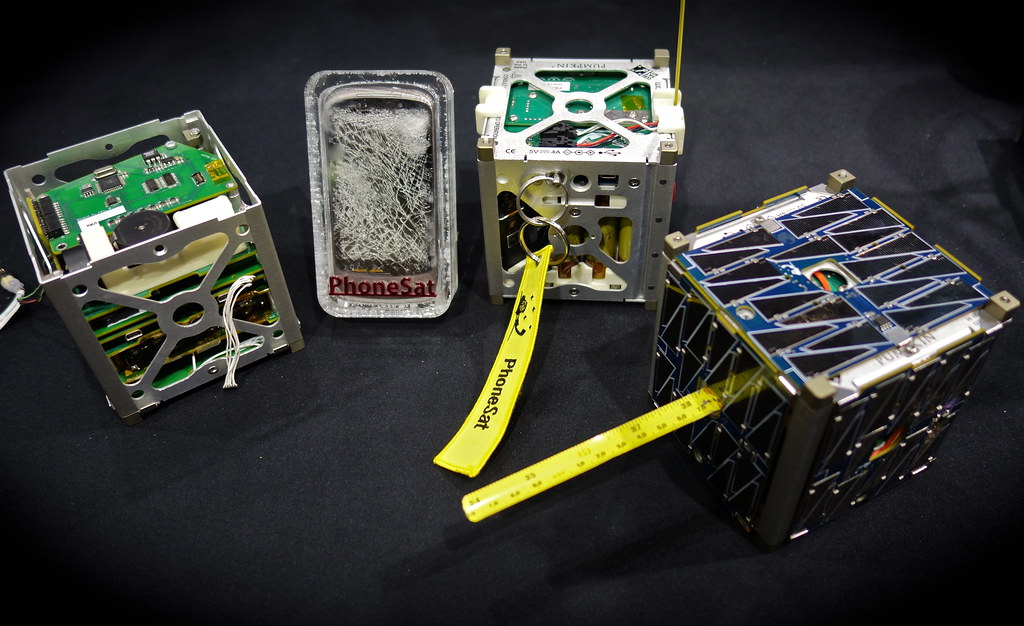
    Rocket Lab satellites are at the forefront of innovation in space technology. As the company prepares to launch eight satellites, investors are keen to understand the insights these developments provide beyond just the launch itself.

    Overview of Rocket Lab’s Satellite Launch

    Rocket Lab has established itself as a key player in the satellite launch industry, particularly with its focus on small satellite deployment. The company’s recent announcement about the eight satellites currently in development highlights its ongoing commitment to advancing satellite technology. This initiative aims to cater to a growing market that demands efficient and cost-effective launch solutions.

    To understand the best launch strategy for Rocket Lab satellites, it is essential to consider several key factors:

    • Launch Frequency: Rocket Lab’s ability to conduct frequent launches maximizes the potential for timely satellite deployment.
    • Payload Capacity: The Electron rocket is designed to handle a variety of payloads, making it suitable for multiple satellite types.
    • Target Orbits: Different missions require specific orbital placements, and Rocket Lab’s versatility in this area is a major advantage.
    • Cost Efficiency: By optimizing launch processes, Rocket Lab aims to reduce costs, making space access more attainable for its clients.

    As the demand for satellite services continues to rise, Rocket Lab’s strategic approach will play a crucial role in determining its success in the competitive launch market.

    Investors’ Perspective on Rocket Lab

    Investors are increasingly turning their attention to Rocket Lab satellites as the company solidifies its position in the competitive space launch market. With eight satellites currently in development, Rocket Lab is poised to demonstrate the potential of its launch capabilities. These developments signal to investors that the company is not just a launch service provider but a key player in the growing satellite sector.

    Many investors view the diversification of Rocket Lab’s offerings as a strategic move that could lead to long-term growth. Key factors influencing investor sentiment include:

    • Technological Innovation: Rocket Lab’s advanced technology enhances satellite deployment efficiency, attracting interest from both commercial and governmental clients.
    • Market Demand: The increasing demand for satellite-based services, including communications and Earth observation, creates a favorable environment for Rocket Lab’s expansion.
    • Partnerships: Collaborations with other aerospace companies and governmental agencies broaden Rocket Lab’s market reach and credibility.

    As Rocket Lab continues to develop its satellite offerings, investors remain optimistic about the company’s potential to capture a significant share of the thriving satellite market.

    Key Features of Rocket Lab Satellites

    Rocket Lab satellites are gaining attention for their innovative design and functionality. Several key features contribute to their growing reputation in the aerospace industry.

    • Compact Size: Rocket Lab’s satellites are designed to be compact, allowing for efficient deployment and minimizing launch costs.
    • Advanced Technology: These satellites incorporate cutting-edge technology, enabling enhanced data collection and communication capabilities.
    • Modular Design: The modular architecture of Rocket Lab satellites allows for customization based on mission requirements, providing flexibility to clients.
    • Rapid Development: The streamlined development process ensures that satellites can be built and launched in a shorter timeframe compared to traditional models.
    • Cost-Effective: By leveraging their Electron rocket, Rocket Lab offers a cost-effective solution for satellite launches, making space more accessible to various industries.

    These features not only enhance the performance of Rocket Lab satellites but also position the company favorably in the competitive landscape of satellite launch services. As demand for satellite technology continues to rise, Rocket Lab is well-prepared to meet the needs of its clients.

    The Future of Space Technology

    The future of space technology is rapidly evolving, with companies like Rocket Lab at the forefront of innovation. As the demand for satellite deployments increases, the strategies used for launching these Rocket Lab satellites become crucial. The company is not just focused on delivering payloads to orbit but is also exploring advanced technologies to enhance efficiency and reduce costs.

    One major development is the emphasis on reusable rocket components, which can significantly lower the financial barriers for satellite launches. This approach allows Rocket Lab to increase the frequency of launches, thereby providing more opportunities for businesses and researchers to access space. Additionally, the integration of artificial intelligence and machine learning in flight planning is set to optimize launch schedules and improve safety.

    Moreover, collaboration with various industries is paving the way for innovative satellite applications, from Earth observation to telecommunications. As Rocket Lab continues to refine its launch strategies, the landscape of satellite technology will likely see transformative changes, ensuring that access to space becomes more democratized and efficient for all stakeholders.

    How Rocket Lab Stands Out

    Rocket Lab has established itself as a prominent player in the space industry, particularly with its innovative approach to launching satellites. Unlike many competitors, Rocket Lab focuses on small satellite deployment, which allows for more frequent and tailored launch opportunities. This specialization has attracted a diverse range of clients, from commercial enterprises to governmental organizations.

    One of the key factors that set Rocket Lab apart is its commitment to rapid launch cycles. The company can conduct launches as often as once a week, significantly reducing the wait time for satellite deployment. This agility enables customers to respond quickly to market demands and operational needs.

    Moreover, Rocket Lab satellites are designed with advanced technology that enhances their functionality and performance. Features such as high-resolution imaging and improved communication capabilities make their satellites attractive options for various applications.

    Additionally, the company’s focus on sustainability, including plans for reusable rocket technology, positions it as a forward-thinking leader in the industry. As Rocket Lab continues to push the boundaries of space technology, its satellites remain at the forefront of innovation, promising exciting advancements in the years to come.

    Understanding Satellite Launch Dynamics

    Understanding the dynamics of satellite launches is crucial for companies like Rocket Lab, especially as they continue to develop innovative solutions for the space industry. The launch strategy adopted by Rocket Lab significantly impacts not only the success of individual missions but also the overall sustainability and efficiency of satellite deployments.

    Several factors play a critical role in determining the best launch strategy, including:

    • Payload Capacity: Knowing the weight and size of Rocket Lab satellites is essential for optimizing the launch vehicle.
    • Launch Frequency: More frequent launches can lead to reduced costs and increased reliability.
    • Target Orbit: Different missions require specific orbits, influencing the choice of launch trajectory.
    • Market Demand: Understanding the needs of clients and the competitive landscape helps shape Rocket Lab’s launch schedule.

    As Rocket Lab progresses with its satellite development, employing a flexible and responsive launch strategy will be key to meeting market expectations and driving growth in the satellite sector. The interplay of these elements ensures that Rocket Lab can adapt to the rapidly evolving demands of space exploration and satellite technology.

    To maximize the potential of Rocket Lab satellites, a strategic approach to their deployment is essential. Analyzing the market demand and optimizing launch schedules will ensure that Rocket Lab satellites are utilized effectively.

    By jurvetson via Openverse

    Sources

    ad-hoc-news.de

    Related reading

    Is Infinix Note 70 5G the Best Phone with Proven Features? · Foldable iPhone hinge: Best proven technology for durability · Behemoth Game Trailer: The Best Insights You Need Now

  • Nuri rocket launch: Proven success with satellite deployment

    The Nuri rocket launch successfully deployed five main satellites in its fifth flight, showcasing advancements in space technology and satellite deployment capabilities.

    Overview of the Nuri rocket launch

    The recent Nuri rocket launch marked a significant milestone in South Korea’s space exploration efforts. This fifth flight of the Nuri rocket successfully deployed five main satellites into orbit, showcasing the nation’s growing capabilities in space technology.

    This mission is particularly noteworthy as it demonstrates the reliability and efficiency of the Nuri rocket, which has been under development for several years. The launch took place at the Naro Space Center, where engineers and scientists celebrated the successful separation of the satellites from the rocket.

    Among the satellites deployed was a cutting-edge earth observation satellite aimed at enhancing environmental monitoring. The other satellites include:

    • Communication satellites designed to improve connectivity across the region.
    • Scientific research satellites that will contribute valuable data to ongoing research projects.
    • Technology demonstration satellites that test new innovations in satellite design.
    • Small CubeSats developed by university teams for educational purposes.

    The successful deployment not only signifies technological advancement but also strengthens South Korea’s position in the competitive global space market. As the nation continues to push forward with its space ambitions, the Nuri rocket launch stands as a testament to perseverance and innovation.

    Significance of the fifth flight

    The fifth flight of the Nuri rocket marks a pivotal moment in South Korea’s space ambitions. This successful mission not only demonstrates the reliability of the Nuri rocket launch but also signifies a leap forward in the country’s capabilities for satellite deployment.

    The significance of this achievement can be highlighted through several key points:

    • National Pride: The successful deployment of five main satellites enhances South Korea’s standing in the global space community.
    • Technological Advancements: The Nuri rocket’s performance showcases advancements in domestic rocket technology, which is vital for future missions.
    • Strategic Benefits: The satellites deployed can support various sectors, including communication, weather monitoring, and surveillance, thereby benefiting the nation’s infrastructure.
    • Future Missions: This success sets the stage for more ambitious projects, including plans for lunar exploration and potential collaborations with international space agencies.
    • Inspiration for Future Generations: The achievement can inspire a new generation of scientists and engineers to pursue careers in space and technology.

    In conclusion, the fifth flight of the Nuri rocket not only marks a technical success but also holds broader implications for South Korea’s future in space exploration.

    Technical specifications of the Nuri rocket

    The Nuri rocket, a significant advancement in South Korea’s space program, boasts impressive technical specifications that contribute to its successful missions. Designed to enhance the nation’s satellite deployment capabilities, the Nuri rocket stands at a height of 47.2 meters and has a diameter of 3.5 meters. It is powered by four KRE-075 engines, which utilize liquid propellant, allowing for a maximum thrust of 300 tons.

    One of the critical features of the Nuri rocket is its payload capacity. It can carry up to 1.5 tons to a low Earth orbit, making it suitable for deploying multiple satellites in a single mission. The rocket’s first stage is designed to operate for approximately 127 seconds, after which the second stage takes over to complete the launch sequence.

    The Nuri rocket employs advanced guidance and control systems that ensure precision during flight. Its state-of-the-art telemetry and tracking systems provide real-time data to mission control, enhancing overall reliability. Additionally, the rocket is equipped with a robust upper stage that facilitates the deployment of satellites into their intended orbits.

    With these specifications, the Nuri rocket has proven its capability through its recent fifth flight, successfully deploying five main satellites, marking a milestone in South Korea’s journey towards becoming a key player in space exploration.

    Challenges faced during the launch

    The recent Nuri rocket launch marked a significant milestone, but it was not without its challenges. Several factors complicated the mission, testing the resilience and expertise of the teams involved.

    One of the primary challenges faced was the unpredictable weather conditions that could have affected the launch window. Strong winds and thick clouds threatened to delay the liftoff, but the team conducted thorough assessments to ensure safety and success.

    Additionally, the integration of five main satellites into the Nuri rocket posed logistical hurdles. Each satellite had unique requirements for deployment, necessitating collaborative efforts to ensure compatibility and functionality. The engineering teams worked tirelessly to address any unforeseen issues that arose during the final checks.

    Technical difficulties also emerged during the countdown sequence. Precise communication among the ground control team was vital, as any miscommunication could have led to critical delays. The team’s ability to resolve these issues quickly was crucial to the successful launch.

    In summary, while the Nuri rocket launch faced numerous challenges, the collective effort and expertise of the team ensured a triumphant outcome, culminating in the successful deployment of five satellites.

    Future missions planned for Nuri

    The successful deployment of five main satellites during the recent Nuri rocket launch has set the stage for an exciting future of missions. With each successful flight, the capabilities of the Nuri rocket have been continuously validated, paving the way for more ambitious projects.

    Looking forward, several key missions are already in the planning stages:

    • International Collaborations: The Nuri rocket is expected to participate in collaborative projects with various countries, enhancing global partnerships in space exploration.
    • Advanced Satellite Launches: Future missions will focus on deploying more advanced satellites, including those equipped with cutting-edge technology for Earth observation and communications.
    • Scientific Research Missions: Upcoming launches are planned to support scientific research, including missions aimed at studying climate change and space weather.
    • Commercial Launch Opportunities: The success of the Nuri rocket has opened doors for commercial launch services, catering to private companies seeking to place their satellites in orbit.

    Overall, the proven success of the Nuri rocket during its fifth flight not only demonstrates its reliability but also marks a significant milestone in South Korea’s ambitions in space. As the nation looks ahead, the potential for the Nuri rocket to support a wide range of missions is promising.

    Impact on the satellite industry

    The successful Nuri rocket launch marks a significant milestone for the satellite industry, demonstrating the capabilities of domestic space technology. With the deployment of five main satellites during its fifth flight, the Nuri rocket has not only showcased its reliability but has also opened new avenues for satellite services.

    Several key impacts on the industry can be observed:

    • Increased Accessibility: The successful launch of the Nuri rocket enhances access to space for various organizations, including startups and research institutions looking to deploy small satellites.
    • Cost-Effectiveness: By providing a reliable launch platform, the Nuri rocket reduces the cost of satellite deployment, encouraging more players to enter the market.
    • Technological Innovation: The advanced technology demonstrated during the Nuri rocket launch inspires further research and development in satellite design and manufacturing.
    • International Collaboration: The successful deployment positions the country as a competitive player in the global satellite launch market, fostering potential collaborations with international space agencies.

    As the Nuri rocket continues to evolve, its impact on the satellite industry is likely to grow, paving the way for future innovations and opportunities in space exploration and satellite communications.

    Reactions from the space community

    Following the successful Nuri rocket launch, reactions from the space community have been overwhelmingly positive. Experts and enthusiasts alike have praised the achievement, considering it a significant milestone for South Korea’s space ambitions.

    • Dr. Jeong Min-seok, a leading aerospace engineer, noted that the successful deployment of five satellites during this launch showcases the technical prowess of the Nuri program. He emphasized the importance of this success in bolstering confidence for future missions.
    • Maria Lopez, an industry analyst, remarked that the Nuri rocket launch not only highlights advancements in South Korean technology but also marks a growing presence in the global space race. She expressed her excitement about potential collaborations with international partners.
    • Professor Kim Soo-hyun, a prominent figure in space studies, mentioned that the successful execution of this flight signifies a turning point for the nation’s space exploration efforts. He believes that this success will inspire further investments in research and development in the aerospace sector.

    Overall, the Nuri rocket launch has invigorated discussions about the future of space exploration in South Korea and the potential for new opportunities in satellite technology and beyond.

    Conclusion and next steps

    In conclusion, the recent Nuri rocket launch has marked a significant milestone for the South Korean space program, demonstrating both reliability and capability in deploying satellites into orbit. With the successful deployment of five main satellites during its fifth flight, Nuri has established itself as a serious contender in the global space industry.

    The success of this mission not only showcases the technological advancements made by the Korea Aerospace Research Institute (KARI) but also strengthens South Korea’s position in the international space community. The positive outcomes have instilled confidence among stakeholders and are expected to attract future investments in the space sector.

    Looking ahead, the next steps for the Nuri program include further testing and the development of additional launch capabilities. Plans are already in motion for future missions that will expand on this success, including the potential for launching larger payloads and conducting more complex scientific missions.

    As South Korea continues to refine its launch vehicle technology, the implications of the Nuri rocket’s success extend beyond national pride; they contribute to the growing global satellite industry. The advancements made through this program may pave the way for new partnerships and collaborations, enhancing both scientific research and commercial opportunities in space exploration.

    The recent Nuri rocket launch has demonstrated its reliability and efficiency in deploying satellites into orbit. Following the Nuri rocket launch, experts are optimistic about future missions and advancements in space technology.

    Read the original

    DongA Science

    Related reading

    Amazon Prime bike deals: 30 Worthwhile Picks for Bikers · Lenovo ThinkStation Release: The Best Desktop for Professionals · Is Vivo X Fold 6 vs Galaxy Z Fold 8 the Best Foldable?

  • Indian payloads reach orbit: Proven success for SpaceX Falcon 9

    Indian payloads reach orbit aboard SpaceX’s Falcon 9, marking a significant achievement in the country’s space exploration efforts.

    Significance of Indian Payloads

    The recent successful launch of multiple Indian payloads aboard SpaceX’s Falcon 9 has significant implications for both India’s space program and global satellite deployment. This achievement showcases the increasing capabilities and advancements in Indian space technology, highlighting the nation’s growing role in the international space community.

    Indian payloads reaching orbit is a testament to the hard work and dedication of numerous scientists and engineers involved in the mission. The payloads included a variety of satellites aimed at enhancing communication, navigation, and earth observation, which are crucial for national development and security.

    The collaboration with SpaceX also emphasizes the importance of public-private partnerships in the aerospace industry. By leveraging Falcon 9’s reliable launch capabilities, India can focus on developing its satellite technology while ensuring timely deployment of critical payloads. This partnership paves the way for future collaborations, potentially reducing costs and increasing the frequency of launches.

    Moreover, the successful insertion of Indian payloads into orbit reflects the growing trust in the capabilities of commercial launch providers. As countries around the world increasingly rely on private companies for satellite launches, India stands to benefit from reduced launch costs while enhancing its technological expertise.

    In conclusion, the successful launch marks a pivotal moment for India, as it not only demonstrates the ability to deploy payloads efficiently but also strengthens its position as a key player in the global space industry.

    Overview of Falcon 9 Launch

    The recent launch of multiple Indian payloads aboard SpaceX’s Falcon 9 has marked a significant milestone in the realm of space exploration. This achievement underscores the growing collaboration between Indian space agencies and private space launch providers, reflecting a new era of technological advancement.

    The Falcon 9 rocket, known for its reliability and cost-effectiveness, successfully lifted off from the Kennedy Space Center in Florida. With this launch, several payloads were deployed into low Earth orbit, enhancing communication, earth observation, and various scientific research initiatives. The mission was characterized by precise execution and impressive performance, enabling the Indian payloads to reach orbit seamlessly.

    SpaceX has established itself as a leader in the commercial space launch industry, and this successful mission further solidifies its reputation. With the ability to carry multiple satellites in a single launch, Falcon 9 provides an efficient solution for countries and organizations looking to expand their presence in space.

    As the Indian space sector continues to grow, collaborations with companies like SpaceX are expected to become more common. The successful deployment of Indian payloads into orbit not only enhances the capabilities of the Indian Space Research Organisation (ISRO) but also demonstrates the effectiveness of international partnerships in achieving ambitious space goals.

    Future of Indian Space Missions

    The future of Indian space missions looks promising following the recent success of Indian payloads reaching orbit aboard SpaceX’s Falcon 9. This achievement marks a significant milestone for India’s space endeavors, showcasing the increasing capability and ambition of the Indian Space Research Organisation (ISRO). With the increasing collaboration between Indian agencies and international partners, the potential for future missions is brighter than ever.

    India is poised to expand its reach in space exploration through various upcoming projects. Some of the key initiatives include:

    • Gaganyaan Mission: Aiming to send humans to space, this ambitious project will enhance India’s manned space capabilities.
    • Chandrayaan-3: Following the success of its predecessors, this mission intends to explore the lunar surface further, focusing on the South Pole region.
    • Mangalyaan-2: This follow-up to the Mars Orbiter Mission aims to deepen our understanding of the Martian atmosphere and geology.
    • Satellite Launches: With plans for more commercial satellite launches, ISRO is looking to secure its place in the global space market.

    As Indian payloads reach orbit with consistency and reliability, the nation stands on the brink of becoming a key player in the global space exploration arena. The collaboration with commercial entities like SpaceX exemplifies a new era of international partnerships that could redefine the landscape of space missions.

    Impact on Global Space Collaboration

    The successful deployment of multiple Indian payloads into orbit aboard SpaceX’s Falcon 9 has significant implications for global space collaboration. This milestone not only highlights India’s growing prowess in space technology but also underscores the increasing reliance on international partnerships to achieve ambitious space goals.

    As nations look to expand their space capabilities, collaboration becomes essential. The launch serves as a testament to the synergy between private companies like SpaceX and national space agencies like the Indian Space Research Organisation (ISRO). This partnership enables countries to leverage advanced technologies and expertise, accelerating the pace of innovation in the space sector.

    Global space collaboration can lead to:

    • Shared Resources: Countries can pool their financial and technical resources to fund expensive missions.
    • Knowledge Exchange: Collaborations foster the exchange of ideas and best practices, enhancing overall mission success.
    • Increased Access: Smaller nations gain access to advanced launch systems and technologies that they may not possess independently.
    • Lower Costs: Joint missions can reduce the costs per payload, making space exploration more feasible for participating nations.

    In light of the successful launch of Indian payloads, the potential for future collaborations seems promising, paving the way for a more interconnected global space community.

    The successful launch marks a significant milestone as Indian payloads reach orbit, showcasing the reliability of the Falcon 9 rocket. With this achievement, the collaboration between Indian space agencies and SpaceX further emphasizes the growing capabilities in space exploration as Indian payloads reach orbit seamlessly.

    Read the original

    The Times of India

    You might also like

    Auto-Callable Notes: Are They the Best Investment Option? · SpaceX Crew-13 flight: Safe Arrival at Launch Pad · One UI 9.0 Update: Best Features You’ll Love