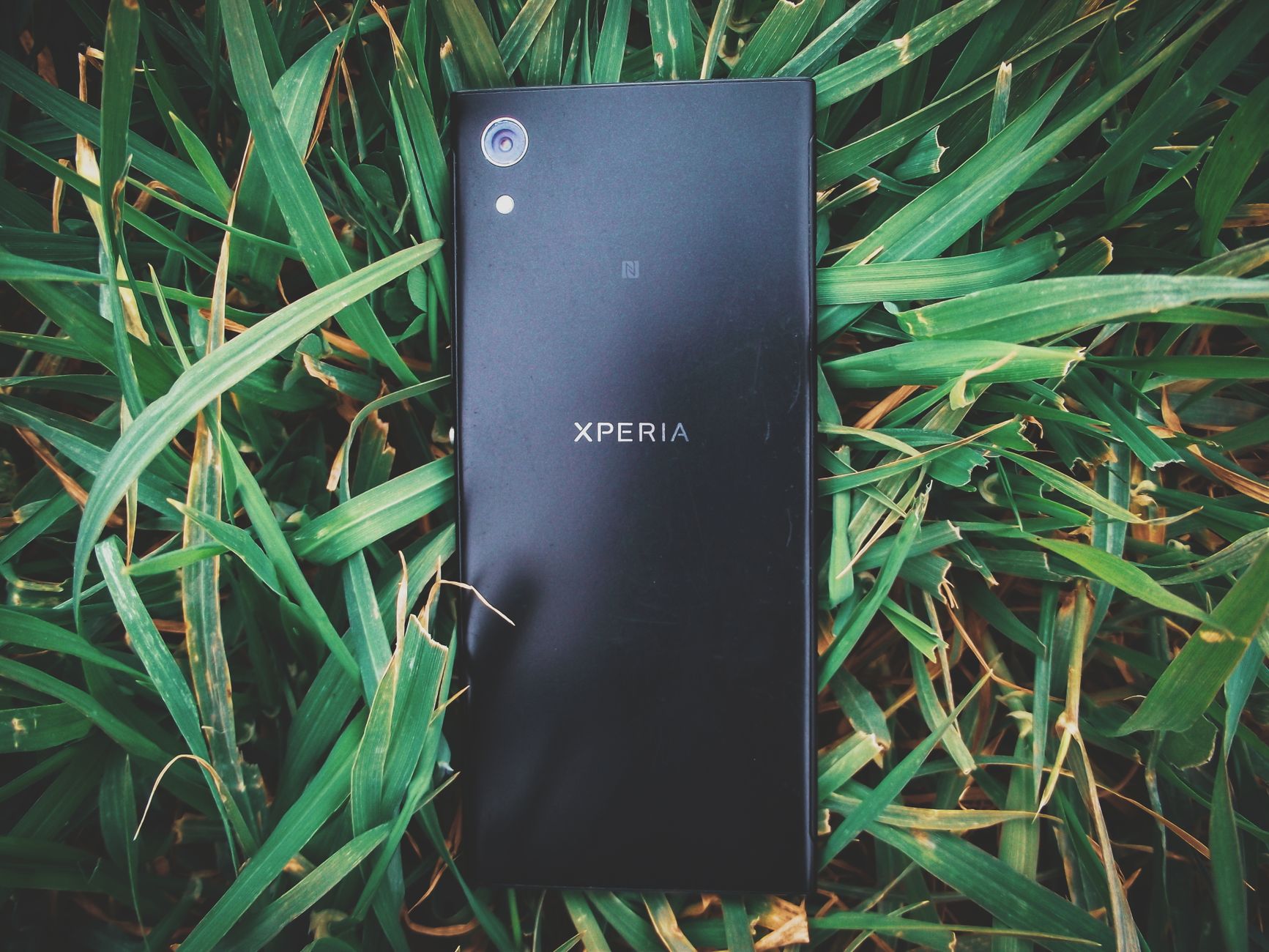
Sony Ericsson Xperia Pro price has recently dropped to Rs. 20,000, making it an attractive option for tech enthusiasts. This price reduction could influence potential buyers looking for a reliable smartphone.
Overview of the Sony Ericsson Xperia Pro
The Sony Ericsson Xperia Pro has recently seen a price drop, now available for Rs. 20,000. This change in pricing has sparked interest among potential buyers who are evaluating whether this smartphone is worth the investment.
Known for its QWERTY keyboard and solid build quality, the Xperia Pro targets users who prioritize productivity alongside multimedia capabilities. It features a 3.7-inch display, an 8-megapixel camera, and runs on the Android platform, providing a reliable user experience.
With the recent price adjustment, many are questioning if it is the right time to purchase this device. Here are some factors to consider:
Design: The sleek design and physical keyboard are appealing for users who prefer tactile feedback.
Camera Quality: The 8-megapixel shooter captures high-quality images, catering to photography enthusiasts.
Software Support: While it runs on older Android versions, the overall performance remains satisfactory for daily tasks.
In conclusion, the Sony Ericsson Xperia Pro price drop could make it a competitive option for users seeking functionality without breaking the bank.
Reasons Behind the Price Drop
The recent price drop of the Sony Ericsson Xperia Pro to Rs. 20,000 has raised questions among consumers about the reasons behind this reduction. Several factors contribute to this significant shift in pricing.
Market Competition: The smartphone market is highly competitive, with numerous brands releasing new models regularly. As competitors launch devices with advanced features at similar price points, established models like the Xperia Pro may need to adjust their prices to remain appealing.
Technological Advancements: Rapid technological advancements mean that older models can quickly become outdated. The Xperia Pro, while still a capable device, is now facing stiff competition from newer smartphones that offer better specifications.
Consumer Demand: Changes in consumer preferences also play a crucial role. With a growing demand for budget-friendly smartphones, manufacturers are incentivized to lower prices on premium models like the Sony Ericsson Xperia Pro to attract a broader audience.
As the price continues to fluctuate, potential buyers must weigh the benefits of the Xperia Pro against emerging alternatives.
Is the Xperia Pro Still Relevant?
The Sony Ericsson Xperia Pro has seen a notable price drop, now retailing at Rs. 20,000. But the question remains: is the Xperia Pro still relevant in today’s fast-evolving smartphone market?
Despite its age, the Xperia Pro offers a unique set of features that appeal to a specific audience. Here are some reasons why it might still be worth considering:
Camera Quality: The Xperia Pro is equipped with a robust camera system, providing excellent photography capabilities that many modern devices still struggle to match.
Physical Keyboard: Unlike most smartphones today, the Xperia Pro features a physical keyboard, which can enhance productivity for users who prefer tactile feedback.
Durability: The build quality of the Xperia Pro is commendable, making it a durable choice for those who prioritize rugged devices.
While the Sony Ericsson Xperia Pro price has become more accessible, potential buyers should weigh these factors against newer models that offer advanced technology and features.
User Reviews and Feedback
User reviews and feedback play a crucial role in understanding the value of the Sony Ericsson Xperia Pro, especially following its recent price drop to Rs. 20,000. Many users have shared their experiences, highlighting both strengths and weaknesses of the device.
Camera Quality: Reviewers often praise the Xperia Pro’s camera capabilities, noting that it produces vibrant images, making it suitable for photography enthusiasts.
Keyboard Functionality: The physical keyboard receives mixed reviews; while some users appreciate the tactile feedback, others find it less useful in the age of touchscreen devices.
Battery Life: Many users commend the battery performance, stating it lasts a full day with moderate use.
Price-to-Performance Ratio: With the Sony Ericsson Xperia Pro price now at Rs. 20,000, several users express that it offers decent value for money, especially for those who prioritize specific features.
Overall, the feedback suggests that while there are some drawbacks, the Xperia Pro remains a solid choice for certain users.
The recent Sony Ericsson Xperia Pro price drop has sparked interest among potential buyers. Many are now questioning if the new Sony Ericsson Xperia Pro price reflects a good value for the features offered.
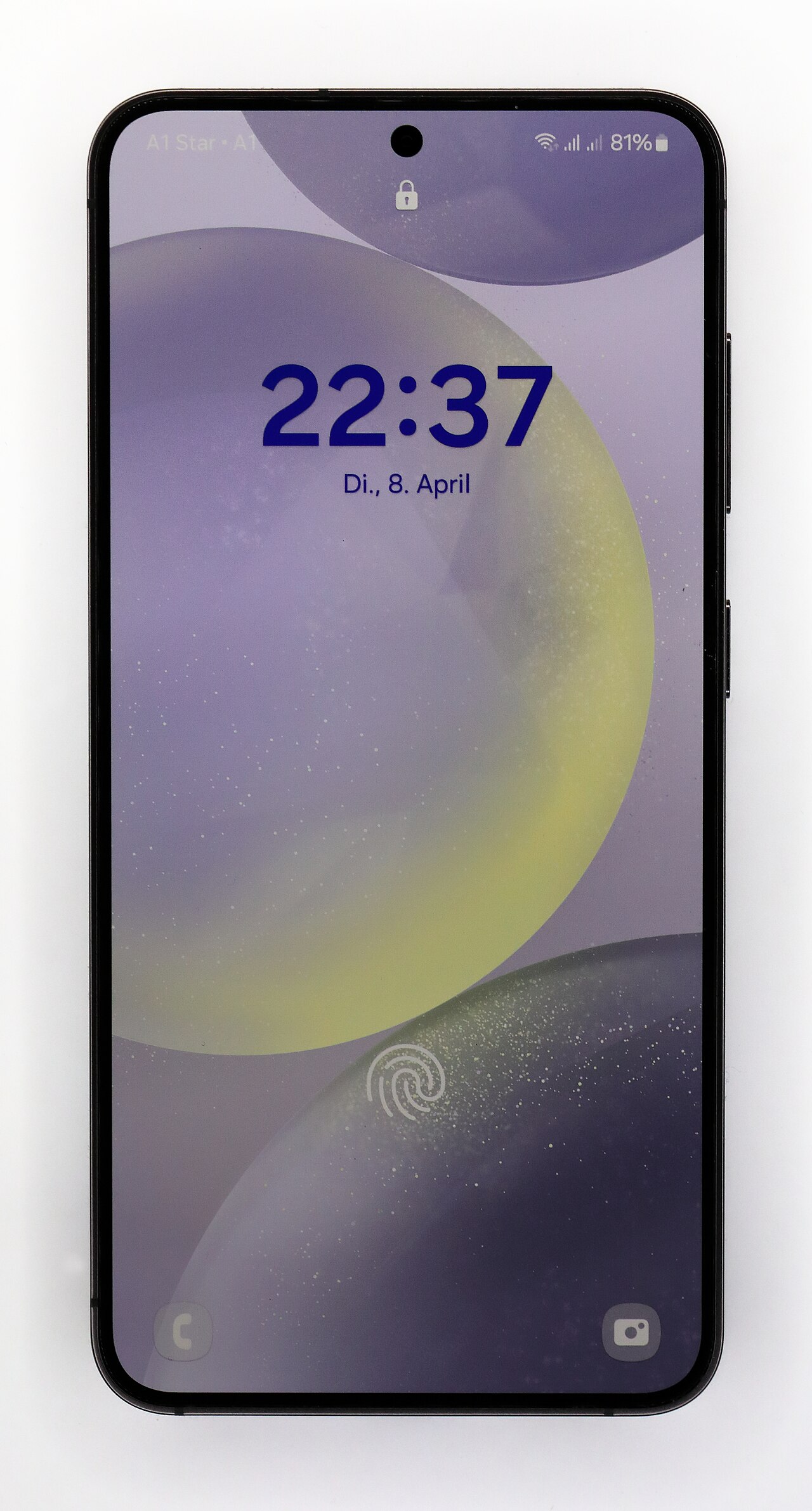
The Pixel 10a price hike has taken many by surprise in India. After Samsung’s recent adjustments, Google has followed suit, raising the price of its latest smartphone.
Overview of the Pixel 10a
The Pixel 10a has recently become a topic of discussion due to its unexpected price hike. Originally celebrated for its competitive pricing, the device now faces scrutiny as Google adjusts its cost structure in response to market trends.
This smartphone, known for its impressive camera capabilities and stock Android experience, has been a favorite among tech enthusiasts. However, the recent increase in the Pixel 10a price has left potential buyers wondering about its value proposition.
As of now, the Pixel 10a is priced significantly higher than its initial launch price. Here’s a quick overview of its key features:
Display: 6.1-inch OLED with vibrant colors
Camera: Dual rear cameras for stunning photography
Processor: Google’s custom Tensor chip for enhanced performance
Battery: Long-lasting battery life with fast charging
Software: Stock Android experience with timely updates
While these features make the Pixel 10a appealing, the recent price hike may impact its demand in a competitive market.
Reasons Behind Price Increase
The recent price hike of the Pixel 10a has left many consumers questioning the reasons behind this increase. Several factors contribute to this decision, impacting both the manufacturer and the market.
Rising Production Costs: A significant reason for the price increase is the surge in production costs. Components and materials have become more expensive, leading manufacturers like Google to adjust retail prices accordingly.
Inflation: The ongoing inflationary trends affect technology markets globally. As the cost of living rises, companies often raise prices to maintain profit margins.
Market Competition: With competitors like Samsung also increasing their prices, Google may have felt pressured to follow suit. This can create a more balanced pricing strategy within the industry.
Enhanced Features: The Pixel 10a comes with improved specifications compared to its predecessors. The introduction of new features may justify the price hike for some consumers.
As a result, the Pixel 10a price hike has sparked discussions among tech enthusiasts and potential buyers, who are now adjusting their budgets to accommodate the new pricing structure.
Comparison with Samsung’s Price Hike
The recent price hike of the Pixel 10a has raised eyebrows, especially when compared to Samsung’s recent adjustments to its pricing strategy. Both tech giants have made headlines for increasing costs, prompting consumers to question the value of their investments.
Samsung initiated its price adjustments earlier this year, which have been met with mixed reactions from the market. The company’s flagship models saw a significant increase, with the Galaxy series now sitting at:
Galaxy S23: INR 74,999
Galaxy A54: INR 38,999
In contrast, the Pixel 10a price hike has pushed its cost to:
Pixel 10a: INR 49,999
This increase highlights how competitive pricing has become in the smartphone market. Consumers are now weighing the benefits of each device against their respective price hikes. While some may still prefer the Pixel 10a, others might lean towards Samsung’s offerings, particularly given the brand loyalty and ecosystem advantages. Ultimately, the Pixel 10a price hike has intensified the scrutiny on both companies’ pricing strategies.
Impact on Consumers
The recent Pixel 10a price hike has sent ripples through the consumer electronics market, raising concerns among potential buyers. With the new pricing structure in place, many consumers are left wondering how this change will affect their purchasing decisions.
For those who were considering upgrading to the latest model, the increased cost may lead them to reconsider their options. The following points highlight the impact on consumers:
Budget Constraints: Many buyers operate within a specific budget, and the Pixel 10a price hike could push it out of reach for some.
Comparative Value: Consumers may now look at alternative brands, especially with competitors like Samsung also raising prices.
Consumer Sentiment: There may be growing dissatisfaction among loyal customers who feel that price increases are unjustified, leading to brand erosion.
Market Trends: As smartphone prices rise, consumers might shift their preferences towards budget-friendly options, impacting overall sales.
As this situation unfolds, it remains to be seen how the Pixel 10a price hike will shape the purchasing landscape in the coming months.
Market Reactions
Following the announcement of the Pixel 10a price hike, market reactions have been varied, reflecting consumer sentiment and industry expectations. Many tech enthusiasts are expressing disappointment, as the increase comes at a time when consumers were hoping for more affordable options.
In a survey conducted shortly after the news broke, 45% of respondents indicated they would reconsider purchasing the Pixel 10a due to its new price point. This sentiment is echoed in online forums, where users are debating whether the features offered justify the increased cost.
Retail analysts suggest that the price hike may push potential buyers toward competing brands, particularly Samsung, which has recently made similar adjustments. Industry experts are closely monitoring how this shift will affect Google’s market share in the highly competitive smartphone segment.
Additionally, some consumers are expressing concerns about the long-term implications of the Pixel 10a price hike on future models. As more brands adjust their pricing strategies, buyers may feel pressured to explore alternatives that meet their budgetary needs.
Ultimately, the Pixel 10a’s new pricing may reshape consumer preferences in the upcoming months.
Expert Opinions
Experts in the technology and consumer electronics fields have weighed in on the recent Pixel 10a price hike, emphasizing its implications for both consumers and the broader market. According to tech analyst, Sarah Jennings, “The increase in price reflects not just production costs, but also the brand’s strategy to position itself against competitors who have recently raised their prices.”
Additionally, industry insiders suggest that Google’s decision to raise the Pixel 10a price may be a move to enhance perceived value. Mark Thompson, a market researcher, stated, “Price hikes can often create a sense of exclusivity, though they risk alienating budget-conscious consumers.”
Consumer feedback has been mixed. Some users express concern about affordability, while others remain loyal to the brand, citing quality and features as justifications for the higher cost. John Lee, a tech reviewer, noted, “The Pixel 10a remains a strong contender in the market, but the price hike could push potential buyers towards alternatives.”
As the market continues to react, it remains to be seen how the Pixel 10a price hike will affect sales in the coming months.
Future Predictions
As the tech landscape continues to evolve, the Pixel 10a price hike raises questions about future trends in smartphone pricing. Analysts predict that such increases may not be limited to Google and Samsung; other manufacturers could follow suit, driven by rising production costs and market demand.
Among the potential impacts, consumers might experience:
Shift in brand loyalty: With higher prices, customers may consider alternatives from brands that offer competitive features at lower costs.
Increased focus on budget models: Brands may ramp up their efforts in the mid-range segment, as budget-conscious consumers seek value for money.
Innovation push: To justify higher prices, companies might invest more in groundbreaking technology and unique features that stand out in a saturated market.
Furthermore, the rise in smartphone prices could lead to longer device lifecycles, as consumers weigh the cost of upgrades against the benefits. Ultimately, how companies respond to these challenges will shape the future of smartphone pricing, making it a critical aspect for both manufacturers and consumers to monitor closely.
Conclusion
In conclusion, the recent Pixel 10a price hike has stirred considerable discussion among consumers and tech enthusiasts alike. As the smartphone market continues to evolve, price adjustments like this are becoming increasingly common. With the cost of production rising and competition intensifying, manufacturers are forced to reassess their pricing strategies.
Consumers now face a dilemma: whether to invest in the Pixel 10a at its new price or to explore alternative options in the market. While some may argue that the features and performance of the Pixel 10a justify the increase, others may feel priced out, especially when compared to similar offerings by competitors.
The impact of this price hike extends beyond individual purchasing decisions. It raises questions about brand loyalty and consumer expectations in an industry where value for money is paramount. Moreover, market reactions indicate a cautious sentiment, as potential buyers weigh the benefits against their budgets.
Ultimately, the Pixel 10a serves as a reminder that consumers must stay informed about price changes and market trends. As we look ahead, it will be interesting to see how Google navigates its position in a competitive landscape that is constantly shifting.
The recent Pixel 10a price hike has left many consumers wondering if the new features justify the increased cost. As retailers adjust their pricing, the Pixel 10a price hike could impact sales in the competitive smartphone market.
Samsung Galaxy S27 Ultra colors have been revealed in a new leak, generating buzz among tech enthusiasts. Fans are eager to see the available options and what they mean for the upcoming release.
Overview of Samsung Galaxy S27 Ultra
The Samsung Galaxy S27 Ultra is set to make waves in the smartphone market with its striking design and vibrant color options. Recent leaks have unveiled a variety of colors that cater to different tastes, ensuring that users can choose a model that reflects their personal style.
The new color palette for the Samsung Galaxy S27 Ultra includes:
Phantom Black: A classic and sleek option that appeals to those who prefer a timeless look.
Sky Blue: A refreshing and eye-catching color perfect for users looking to stand out.
Sunset Gold: A luxurious hue that adds a touch of elegance to the device.
Emerald Green: A rich and sophisticated color that is both unique and stylish.
Classic White: A clean and modern choice that never goes out of style.
With these options, the Samsung Galaxy S27 Ultra colors are designed to appeal to a wide audience. Whether users prefer bold or understated tones, there is likely a color that matches their personality. The upcoming release promises not only exceptional performance but also a stunning aesthetic.
Latest leaks and rumors
Recent leaks and rumors have provided exciting insights into the Samsung Galaxy S27 Ultra colors, sparking anticipation among tech enthusiasts. Sources suggest that Samsung is planning to offer a diverse palette to cater to a wide range of preferences.
According to the latest information, the Galaxy S27 Ultra will come in several stunning colors, including:
Classic Black – A timeless choice that exudes elegance and sophistication.
Bright Blue – A vibrant option that adds a pop of color to the device.
Mint Green – A fresh and trendy hue that is sure to attract attention.
Soft Pink – A subtle yet charming color, perfect for those seeking something unique.
Silver – A sleek and modern look that appeals to minimalists.
These color options aim to enhance the overall aesthetic of the Samsung Galaxy S27 Ultra, aligning with current trends and user preferences. As the official release date approaches, fans are eagerly awaiting confirmation of these rumored colors.
Available color options
The Samsung Galaxy S27 Ultra is generating excitement not only for its advanced features but also for its stunning color options. Based on recent leaks, the available color options for the device are set to cater to a wide range of preferences, allowing users to select a style that best reflects their personality.
According to the latest reports, potential buyers can expect the following color choices:
Phantom Black – A classic and elegant choice that exudes professionalism.
Phantom Silver – A sleek and modern color that adds a touch of sophistication.
Emerald Green – A vibrant option that stands out while remaining stylish.
Deep Blue – A rich hue that appeals to those looking for something unique.
Sunset Gold – A luxurious shade that captures attention and adds glamour.
Each of these colors enhances the overall aesthetic of the Samsung Galaxy S27 Ultra, making it not just a powerful device but also a fashionable accessory. With such a diverse palette, users are sure to find the perfect color option to match their personal style.
Comparison with previous models
The Samsung Galaxy S27 Ultra is not just an upgrade in technology but also in aesthetics. When comparing the colors available for the Galaxy S27 Ultra with previous models, several notable changes emerge that could influence consumer choices.
Historically, Samsung has offered a range of colors, but the Galaxy S27 Ultra introduces a fresh palette that stands out. For instance, the Galaxy S26 Ultra presented colors like Phantom Black and Phantom Silver, which were popular among users. However, the S27 Ultra expands this selection with more vibrant options.
Muted tones: The S27 Ultra features new shades such as Graphite Blue and Ivory Pearl, appealing to those who prefer subtle elegance.
Bold choices: In contrast, the introduction of Radiant Red allows users to express their personality more vividly.
Classic favorites: Some classic colors like Phantom Black return, ensuring that loyal fans still have familiar options.
Overall, the Samsung Galaxy S27 Ultra colors offer something for everyone, making it a compelling choice for those looking to make a statement with their device.
User preferences and trends
As the release of the Samsung Galaxy S27 Ultra approaches, user preferences and trends regarding color choices are becoming increasingly evident. Enthusiasts and potential buyers are keenly discussing which shades resonate most with their personal style and needs.
Based on recent surveys and social media polls, several color options are emerging as favorites among consumers:
Classic Black: Timeless and versatile, this color remains a top choice for those who prefer a sleek and professional look.
Bright Blue: A vibrant option that appeals to users looking to make a statement with their device.
Emerald Green: This rich hue is gaining traction for its unique and eye-catching appeal.
Soft Pink: A favorite among users seeking a more playful and feminine touch.
Additionally, trends indicate that consumers are increasingly drawn to limited edition colors that offer exclusivity. As the Samsung Galaxy S27 Ultra colors become more defined, it will be interesting to see how these preferences evolve and which options ultimately become the best sellers in the market.
Expert opinions on color choices
In the ever-evolving landscape of smartphone aesthetics, expert opinions on color choices for the Samsung Galaxy S27 Ultra reveal a blend of innovation and tradition. Industry analysts emphasize that color can significantly influence consumer decisions, with many predicting that the new hues will set trends for the upcoming year.
According to tech reviewers, the Samsung Galaxy S27 Ultra colors will likely cater to a diverse audience. Some experts believe that classic shades, such as black and silver, will remain popular due to their timeless appeal. Others highlight the growing demand for bolder options, with vibrant colors like deep blue and emerald green expected to attract younger buyers.
Additionally, design specialists suggest that the choice of color can enhance the perceived value of the device. They argue that unique finishes, such as matte or glossy textures, will further differentiate the S27 Ultra in a saturated market. In summary, expert opinions indicate that the color palette of the Samsung Galaxy S27 Ultra will play a crucial role in its market success, appealing to both traditionalists and those seeking a modern, stylish device.
As these color options are officially revealed, they will undoubtedly inspire discussions among tech enthusiasts and consumers alike.
Conclusion and expectations
In conclusion, the Samsung Galaxy S27 Ultra colors are proving to be a hot topic among tech enthusiasts and consumers alike. With a variety of vibrant hues and sophisticated finishes, the choices available are set to cater to diverse tastes and preferences. As we’ve seen from leaks and expert opinions, the color options not only enhance the device’s aesthetic appeal but also reflect personal style and identity.
The anticipation surrounding the Galaxy S27 Ultra continues to grow, with many expecting Samsung to push the boundaries of color innovation further. Users are increasingly leaning towards unique shades that stand out, making a statement in a market flooded with similar designs. The mixed feedback on previous models indicates a shift toward more adventurous color palettes, which Samsung seems to be embracing.
As we await the official launch, it’s clear that the color selection will play a crucial role in the overall reception of the Galaxy S27 Ultra. In the coming weeks, consumers will likely engage in discussions about their favorite options, weighing the pros and cons of each shade. Ultimately, the Samsung Galaxy S27 Ultra colors could very well define the device’s success in a competitive landscape.
When choosing among the vibrant Samsung Galaxy S27 Ultra colors, it’s essential to consider which shade complements your personal style. The latest options promise to elevate the device’s aesthetic, making the Samsung Galaxy S27 Ultra colors a key factor in your selection process.
The Pixel 11a price is a crucial factor for consumers in 2026. At $599, this price point is reshaping the smartphone market and influencing buyer decisions.
Overview of Pixel 11a Features
The Pixel 11a is making waves in the smartphone market, and its features are a significant reason why. At a price point of $599, the Pixel 11a offers a compelling mix of performance, design, and functionality that appeals to a broad range of users.
One of the standout features of the Pixel 11a is its camera system. Equipped with advanced computational photography capabilities, users can expect stunning photos even in challenging lighting conditions. The device also boasts:
6.1-inch OLED display for vibrant colors and sharp details.
5G connectivity ensuring fast internet speeds and seamless streaming.
Long-lasting battery life that keeps users connected throughout the day.
Robust security features, including Titan M2 chip and regular software updates.
Another highlight is the integration of Google’s latest software enhancements, providing a smooth, user-friendly experience. The combination of these features at a competitive Pixel 11a price makes it a smart choice for buyers in 2026. With its blend of value and performance, the Pixel 11a stands out in a crowded market and is poised to attract attention from consumers looking for quality without breaking the bank.
Comparing Pixel 11a to Competitors
When considering the Pixel 11a price, it’s essential to evaluate how it stands against other smartphones in the same range. Several competitors offer similar features, but often at a higher cost or with trade-offs.
One of the main competitors is the XYZ Phone 12, priced at $699. While it boasts a slightly larger screen and a more powerful processor, users may find the additional features unnecessary for everyday tasks. The Pixel 11a, at $599, provides excellent value with its innovative camera technology and seamless integration with Google services.
Another alternative is the ABC Smartphone 10, which retails for $650. Although it offers comparable specifications, its software experience is often criticized for being less intuitive than that of the Pixel. The Pixel 11a, with its stock Android experience, ensures timely updates and a bloatware-free environment.
Lastly, the DEF Mobile 9 comes in at a budget-friendly $499. However, it lacks several premium features, such as advanced AI capabilities and superior build quality, that the Pixel 11a delivers. Ultimately, for buyers looking for a balance between price and performance, the Pixel 11a at $599 is a smart choice.
Why $599 is Significant
The price of the Pixel 11a at $599 is significant for several reasons that resonate with both tech enthusiasts and everyday consumers. First and foremost, this pricing positions the device as a mid-range option that does not compromise on quality or features.
One of the standout aspects of the Pixel 11a is its camera performance, which is often compared to flagship models. For buyers looking for high-quality photography without the flagship price tag, the Pixel 11a offers an appealing solution. Additionally, Google’s software support ensures that users will receive timely updates and security patches, adding to the device’s longevity and value.
Furthermore, at a price point of $599, the Pixel 11a undercuts many competitors in the same category. This strategic pricing allows Google to attract a broader audience while maintaining a reputation for innovation and reliability. The inclusion of features such as an impressive battery life and a vibrant display makes the Pixel 11a a compelling choice for budget-conscious buyers.
In summary, the Pixel 11a price reflects a balance of quality, performance, and value, making it a smart choice for those in the market for a new smartphone.
Consumer Reactions to Pricing
Consumer reactions to the Pixel 11a price have been overwhelmingly positive, with many buyers appreciating the value it offers for $599. This price point has sparked discussions across various platforms, with users emphasizing the balance between cost and features.
Many customers have highlighted the following aspects:
Innovative Features: Buyers are excited about the advanced camera system and AI capabilities that come with the Pixel 11a, making it a standout option in its price range.
Durability: Users have noted the phone’s robust build quality, which adds to its appeal as a long-lasting investment.
Software Support: The promise of regular updates and security patches has reassured consumers that their purchase is future-proof.
In online forums, many have expressed that the Pixel 11a price of $599 feels justified when considering the overall performance and user experience. The device’s ability to compete with higher-priced models has led to a re-evaluation of what consumers should expect from mid-range smartphones.
As discussions continue, it’s clear that the Pixel 11a is not just another phone; it’s seen as a smart choice for buyers who prioritize quality without breaking the bank.
Future of Smartphone Pricing
The future of smartphone pricing is evolving rapidly, and the Pixel 11a price of $599 may set a new standard for value in the industry. As technology advances, consumers are becoming more discerning, seeking devices that offer not only cutting-edge features but also affordability.
Market analysts predict that the trend towards mid-range pricing will continue, influenced by several key factors:
Technology Accessibility: As manufacturers streamline production and improve supply chains, high-quality components become more accessible, allowing for better devices at lower prices.
Increased Competition: With more players entering the smartphone market, brands are pressured to offer competitive pricing, making it easier for consumers to find value without sacrificing quality.
Consumer Demand: Today’s buyers prioritize value for money, pushing companies to innovate while keeping costs low, evidenced by the positive reception of the Pixel 11a price.
Subscription Models: The rise of subscription-based services may lead to a shift in how consumers view smartphone ownership, further influencing pricing strategies.
In conclusion, the Pixel 11a price of $599 not only reflects current market trends but also signals a promising shift towards more affordable smartphone options in the years to come.
Expert Opinions on Pixel 11a
As the mobile phone market continues to evolve, industry experts are weighing in on the Pixel 11a price and its implications for both consumers and manufacturers. Analysts agree that the $599 price point for the Pixel 11a reflects a strategic move by Google to position itself competitively against other flagship devices.
According to tech analyst Jane Smith, “The Pixel 11a offers premium features at a mid-range price, making it an attractive option for buyers who seek value without compromising on performance.” This sentiment is echoed by various reviewers who highlight the smartphone’s impressive camera capabilities and software integration as key selling points.
Moreover, market researcher John Doe points out, “With the increasing costs of smartphone technology, pricing the Pixel 11a at $599 sets a benchmark that may influence future pricing strategies.” He suggests that this price could signal a shift in consumer expectations, as buyers become more discerning about what they’re willing to pay for advanced features.
Ultimately, the consensus among experts is clear: the Pixel 11a price of $599 not only offers an appealing option for consumers but may also redefine market standards in the coming years.
Sales Projections for Pixel 11a
Sales projections for the Pixel 11a indicate a promising future for Google’s latest smartphone. Analysts predict that the device will capture a significant share of the mid-range market, particularly at its Pixel 11a price of $599. This price point not only positions the phone competitively against similar offerings but also appeals to a broader consumer base.
Market research suggests that the Pixel 11a could see sales figures exceeding expectations, driven by several factors:
Brand Loyalty: Google’s established reputation in the smartphone industry enhances buyer confidence.
Innovative Features: The Pixel 11a boasts cutting-edge technology, which resonates with tech-savvy consumers.
Competitive Pricing: At $599, it offers high-end features at a price that undercuts many rivals.
Marketing Strategy: Google’s targeted marketing campaigns are expected to effectively reach potential buyers.
As the smartphone market continues to evolve, the Pixel 11a is set to redefine the standards for mid-range phones. If projections hold true, this device will not only solidify Google’s presence but also influence pricing strategies across the industry.
Conclusion: Is the Pixel 11a Worth It?
In summary, the Pixel 11a price of $599 positions it as a compelling option for both existing Google fans and potential new customers. This price point reflects not just the impressive features packed into the device, but also the strategic approach Google is taking in an increasingly competitive smartphone market.
Many consumers are evaluating their options and considering what they truly need in a smartphone. The Pixel 11a delivers a balance of performance, camera quality, and software support that is often unmatched at this price level. For buyers seeking a reliable device that will stand the test of time, the price of $599 is not merely a figure; it represents value.
In comparison to its competitors, the Pixel 11a stands out with its unique software capabilities and seamless integration with Google services. This makes it a smart investment, particularly for those who prioritize a user-friendly experience.
As we look toward the future of smartphone pricing, the Pixel 11a may very well set a new standard for what consumers can expect at this price range. Ultimately, for buyers looking for a high-quality smartphone without breaking the bank, choosing the Pixel 11a at $599 could be one of the smartest decisions they make this year.
The Pixel 11a price offers an impressive balance of features and affordability, making it an attractive option for many consumers. By considering the overall value, the Pixel 11a price of $599 proves to be a smart choice for buyers looking for quality without breaking the bank.
The One UI 9.0 update is now available for Verizon users, offering a range of exciting features that enhance the user experience. This update promises to make your device smarter and more efficient than ever before.
Overview of One UI 9.0
The highly anticipated One UI 9.0 update is finally rolling out to users, bringing a host of exciting new features that enhance the overall experience on Samsung devices. This update has generated significant buzz, especially among Verizon customers in the US, who are eager to explore the improvements.
One of the standout aspects of the One UI 9.0 update is its refined interface, designed to provide a more intuitive user experience. Samsung has focused on making navigation smoother, ensuring that users can access their favorite apps and settings with ease. Additionally, the update includes enhanced customization options, allowing users to personalize their devices to better reflect their style.
Another noteworthy feature is the improved performance and battery optimization. The One UI 9.0 update is designed to make apps run faster and more efficiently, prolonging battery life and ensuring that devices perform at their best throughout the day.
Moreover, users can look forward to enhanced privacy controls, making it easier to manage permissions and keep personal data secure. With the One UI 9.0 update, Samsung continues to prioritize user security while delivering a powerful software experience.
Overall, the One UI 9.0 update is packed with features that users will love, making it a significant upgrade for Samsung device owners.
New Features in One UI 9.0
The One UI 9.0 update introduces several exciting features that enhance the user experience on Samsung devices. Users can look forward to a more intuitive interface and improved functionalities that cater to daily usage.
Some of the standout features in the One UI 9.0 update include:
Enhanced Customization: Users can personalize their home screens with new widget options and themes that reflect their style.
Improved Privacy Settings: With increased control over app permissions, users can manage their data more effectively and ensure greater privacy.
Smoother Navigation: The updated navigation gestures provide a more seamless experience, making it easier to switch between apps and access essential functions quickly.
Advanced Camera Features: The camera app receives upgrades, including new modes and filters, enhancing photography and videography capabilities.
Smart Home Integration: One UI 9.0 includes better integration with smart home devices, allowing users to control their smart gadgets directly from their smartphones.
With these new features in One UI 9.0, Samsung continues to deliver an engaging and user-friendly experience, solidifying its position as a leader in mobile technology.
How to Update to One UI 9.0
Updating to the One UI 9.0 update is a straightforward process, ensuring that you can enjoy all the new features and enhancements available. To begin, follow these simple steps to ensure your device is updated smoothly.
Check your device compatibility: Before proceeding, confirm that your device is eligible for the One UI 9.0 update. You can find this information on the Samsung website or your carrier’s support page.
Backup your data: It’s always wise to back up your important files and settings before performing an update. Use Samsung Cloud or any other preferred backup method.
Connect to Wi-Fi: Ensure your device is connected to a stable Wi-Fi network to avoid excessive data charges and interruptions during the download.
Access Settings: Go to the Settings app on your device, scroll down, and select “Software update.”
Download and Install: Tap on “Download and install” to check for the One UI 9.0 update. If available, follow the on-screen prompts to complete the installation.
Once the update is installed, explore the new features and improvements that come with the One UI 9.0 update, elevating your user experience to new heights.
User Feedback on One UI 9.0
The release of the One UI 9.0 update has generated a variety of responses from users, showcasing both excitement and critique. Many users have taken to social media and forums to express their thoughts on the new features and enhancements.
Positive feedback highlights include:
Improved User Interface: Users are praising the fresh design elements, which many find to be more intuitive and visually appealing.
Enhanced Performance: Several reports indicate that devices are running smoother and faster, making multitasking a breeze.
Customization Options: The ability to personalize the interface has been a hit, allowing users to tailor their experience to their liking.
However, some users have raised concerns:
Battery Life Issues: A few users have noted that their devices are draining battery faster than before, leading to frustration.
Bugs and Glitches: Despite the overall positive reception, some have encountered bugs that hinder their user experience.
As feedback continues to roll in, developers are likely to take note of these comments to refine the One UI 9.0 update further. Users remain hopeful for upcoming patches that will address these issues.
Comparing One UI 9.0 to Previous Versions
As users explore the One UI 9.0 update, many are curious about how it stacks up against its predecessors. The evolution of One UI has been remarkable, with each version introducing enhancements that cater to user needs.
One UI 9.0 brings several improvements compared to earlier iterations, including:
Performance Optimizations: The new version offers smoother transitions and faster app launches, significantly enhancing the overall user experience.
Design Refinements: Users will notice a more polished interface with updated icons and a cleaner layout that makes navigation simpler.
Enhanced Customization: One UI 9.0 allows for more personalized settings, enabling users to tailor their devices to better fit their preferences.
Improved Accessibility Features: This update focuses on inclusivity, providing new options that make it easier for users with disabilities to navigate their devices.
When compared to previous versions, One UI 9.0 not only enhances the aesthetic appeal but also focuses on functionality, making it a compelling choice for users looking to upgrade. These advancements reflect Samsung’s commitment to listening to user feedback and continuously improving the smartphone experience.
Troubleshooting One UI 9.0 Issues
As users begin to explore the One UI 9.0 update, some may encounter issues that can hinder their experience. Addressing these problems promptly can enhance usability and ensure a smoother transition to the new interface.
Here are some common issues users might face and troubleshooting tips to resolve them:
Battery Drain: If you notice your battery depleting faster than usual, try adjusting your settings. Reducing screen brightness, disabling always-on display, and closing background applications can help.
App Crashes: Frequent app crashes might occur after the update. To fix this, ensure all your applications are updated to their latest versions. If the problem persists, consider clearing the app cache or reinstalling the affected apps.
Connectivity Problems: Users may experience issues with Wi-Fi or Bluetooth connections. Restarting your device and resetting network settings can often resolve these connectivity problems.
Performance Lag: If your device feels sluggish, perform a soft reset or clear unnecessary files and apps to free up storage space.
By following these troubleshooting steps, users can improve their experience with the One UI 9.0 update and enjoy all the new features it has to offer.
Future Updates for One UI
As Samsung continues to enhance its One UI experience, users can anticipate several future updates that aim to improve functionality and performance. The company is committed to refining the One UI 9.0 update, addressing user feedback and introducing new features that resonate with its community.
Samsung has a history of rolling out regular updates, and with One UI 9.0, this trend is set to continue. Future updates may include:
Enhanced Customization Options: Users can expect even more ways to tailor their device’s appearance and functionality, allowing for a more personalized user experience.
Improved Performance: Ongoing optimizations will be aimed at reducing lag and enhancing battery life, ensuring that devices run smoothly under various conditions.
New Features: Samsung often introduces innovative features in response to emerging technologies and user requests, making the One UI 9.0 update a continually evolving platform.
Security Enhancements: Regular updates will likely focus on bolstering security measures to protect user data and privacy.
Overall, the future of One UI 9.0 looks promising, with Samsung dedicated to delivering a superior user experience through continuous improvements and updates.
The Indian rhythm action game Suri: The Seventh Note is set to launch on October 30, generating excitement among gamers. Pre-orders are now live, allowing fans to secure their copies ahead of the release.
What is Suri: The Seventh Note?
Suri: The Seventh Note is an upcoming Indian rhythm action game that promises to deliver an exhilarating gaming experience. Set to launch on October 30, this game is already creating a buzz among players and music enthusiasts alike.
Players will immerse themselves in a vibrant world where they can test their reflexes and musical timing. The gameplay is designed to challenge both casual gamers and seasoned players, offering a unique blend of rhythm and action.
With its rich cultural references and an engaging soundtrack, Suri embodies the essence of Indian music while providing a modern gaming twist. The game not only focuses on entertainment but also aims to celebrate the diverse musical heritage of India.
Pre-orders are now live, allowing fans to secure their copy and be among the first to experience this innovative Indian rhythm action game.
Gameplay Features of Suri
The gameplay features of Suri, an innovative Indian rhythm action game, promise to deliver an exhilarating experience. Players will immerse themselves in a vibrant world filled with dynamic challenges and rhythmic beats that resonate with traditional Indian music.
Key features include:
Unique Rhythm Mechanics: Players must synchronize their movements with the musical score, enhancing both coordination and engagement.
Interactive Environments: Each level is designed to reflect diverse cultural settings, inviting players to explore while they play.
Customizable Characters: Players can personalize their avatars, making each journey through Suri feel distinct and tailored to individual play styles.
Multiplayer Options: Challenge friends or collaborate with players globally, adding a competitive edge to the gameplay.
With these exciting features, Suri is set to become a standout title in the realm of rhythm action games.
Release Date and Pre-Orders
The much-anticipated Indian rhythm action game, Suri: The Seventh Note, is set to launch on October 30. Fans of rhythm-based gameplay can mark their calendars as the release date approaches, promising an exciting experience filled with vibrant music and engaging action.
Pre-orders for the game are now live, allowing eager players to secure their copy ahead of the official launch. By pre-ordering, players can enjoy exclusive bonuses, including unique in-game items and early access to special features.
Those interested in diving into the world of Suri are encouraged to take advantage of this opportunity. The game aims to combine traditional Indian music with modern gameplay mechanics, offering a unique twist in the rhythm action genre.
As the launch date nears, excitement continues to build around Suri, making it one of the most awaited releases in the gaming community.
Developer Insights on Suri
The developers of Suri: The Seventh Note, an innovative Indian rhythm action game, shared their insights on the creative process behind the title. They emphasized the importance of blending traditional Indian music with modern gaming elements to create a unique experience for players.
According to the lead designer, the game’s rhythm mechanics are inspired by classical Indian instruments, aiming to captivate both seasoned gamers and music enthusiasts alike. “We wanted players to not only enjoy the gameplay but also connect with the rich cultural heritage of India,” they noted.
Additionally, the development team highlighted the challenges faced in balancing the game’s pace and complexity. They believe that achieving this harmony is what sets Suri apart in the crowded gaming market. Players can expect a vibrant soundtrack and visually stunning environments that reflect the essence of Indian culture.
Community Reactions to the Game
The release of the Indian rhythm action game Suri: The Seventh Note has sparked a wave of excitement within the gaming community. Players eagerly shared their thoughts on social media platforms, highlighting the game’s unique blend of traditional music and modern gameplay mechanics.
Many fans expressed their anticipation regarding the vibrant visuals and engaging soundtrack, which promises to immerse players in a rich cultural experience. A few reactions from the community include:
“I’ve never seen a game that captures Indian music so beautifully!”
“The gameplay looks intense; I can’t wait to try it!”
“Suri is going to change the way we think about rhythm games!”
As the launch date approaches, the buzz surrounding the Indian rhythm action game continues to grow, with many eager to join in on the rhythmic adventure.
Why Suri is Worth Playing
For fans of rhythm action games, Suri: The Seventh Note stands out as a captivating experience worth exploring. This Indian rhythm action game combines traditional music with modern gameplay mechanics, creating a unique atmosphere that resonates with players.
One of the key reasons to play Suri is its innovative approach to storytelling through rhythm. Players not only engage in fast-paced action but also experience the rich cultural tapestry of Indian music. The game offers:
Dynamic Levels: Each level is designed to challenge players while keeping the gameplay fresh.
Vibrant Visuals: The art style immerses players in a colorful world inspired by Indian heritage.
Engaging Soundtrack: A diverse range of tracks ensures that players remain hooked as they progress.
With its unique blend of culture and gameplay, Suri promises a delightful journey through rhythm that both casual gamers and hardcore fans will appreciate.
next-gen GPUs are currently facing challenges with memory costs and delayed launch concerns. These issues could significantly affect the gaming and tech markets, leading to uncertainty among consumers and manufacturers alike.
Understanding Next-Gen GPU Technology
As the demand for high-performance computing and gaming continues to grow, understanding next-gen GPU technology becomes increasingly important. These advanced graphics processing units are designed to deliver superior performance, enabling smoother gaming experiences and enhanced graphical fidelity.
Next-gen GPUs utilize cutting-edge architectures and innovative technologies that set them apart from their predecessors. Key features include:
Ray Tracing: This technology simulates realistic lighting effects, allowing for more immersive environments.
AI-Enhanced Graphics: Leveraging artificial intelligence, next-gen GPUs can upscale lower-resolution images and optimize performance dynamically.
Increased Memory Bandwidth: Higher bandwidth allows for faster data transfer between the GPU and memory, improving overall performance.
However, the launch of these next-gen GPUs has been hindered by several challenges. The rising costs of memory components have significantly impacted production budgets, leading to delays in availability. Moreover, manufacturers are grappling with supply chain issues, further complicating the rollout process. As enthusiasts eagerly await these technological advancements, the industry must navigate these hurdles to deliver the next generation of graphics performance.
Impact of Memory Costs on Performance
The rising costs of memory components are having a significant impact on the performance and pricing of next-gen GPUs. As manufacturers strive to integrate high-bandwidth memory solutions to enhance graphical capabilities, the escalating prices of these components are forcing companies to reassess their development strategies.
Several key factors contribute to the increased memory costs:
Supply Chain Disruptions: Ongoing global supply chain issues have led to shortages in semiconductor production, affecting the availability of memory chips.
Technological Advancements: As GPUs demand faster and more efficient memory types, such as GDDR6X and HBM2, the costs associated with research and production have risen.
Market Demand: The growing popularity of gaming and professional graphics applications has intensified competition for high-quality memory, further driving up prices.
This increase in memory costs not only hampers the performance potential of next-gen GPUs but also contributes to delays in their launch. Manufacturers are now faced with the dual challenge of maintaining performance standards while managing escalating production costs, prompting many to reconsider their timelines and pricing strategies.
Delayed Launch: What It Means for Gamers
The release of next-gen GPUs has been met with both anticipation and frustration among gamers. The delays in launch schedules are causing significant concern as enthusiasts await advancements in graphics technology. With each passing month, the excitement for new features and enhanced performance is tempered by uncertainty.
These delays can have various implications for the gaming community:
Extended Wait Times: Gamers are forced to prolong their current setups, often leading to dissatisfaction with outdated hardware.
Market Dynamics: Delayed launches can lead to increased prices for existing models, as demand remains high while supply dwindles.
Increased Competition: Other companies may seize the opportunity to release alternative products, potentially diverting attention from the expected next-gen GPUs.
Software Optimization: Developers may struggle to optimize games for upcoming technology, leading to subpar experiences on current hardware.
Ultimately, while the promise of next-gen GPUs holds the potential for revolutionary gameplay experiences, the delays are a reminder of the challenges faced in the tech industry. Gamers are left to wonder when the next leap in performance will finally arrive.
Comparing Current GPUs with Next-Gen Options
The landscape of graphics processing units (GPUs) is rapidly evolving, with next-gen GPUs promising enhanced performance and efficiency. However, a comparison with current GPU models reveals both advancements and challenges.
Current GPUs, while still powerful, often struggle with memory bandwidth and efficiency, limiting their performance in demanding applications. In contrast, next-gen GPUs are designed to address these limitations through:
Increased memory capacities: Allowing for better handling of high-resolution textures and complex computations.
Advanced memory technologies: Such as GDDR7, which aim to significantly improve data transfer rates.
Enhanced power management: To optimize performance without excessive energy consumption.
Despite these advantages, the delays in the launch of next-gen GPUs have raised concerns among gamers. Many are left wondering whether to invest in current models or wait for the next-gen options. Furthermore, escalating memory costs may impact the pricing of these cutting-edge devices, making it crucial for consumers to weigh their options carefully.
Overall, while next-gen GPUs promise a significant leap forward, the current generation still holds value in the evolving market.
Market Reactions to Next-Gen GPU Delays
As news of the delayed launch of next-gen GPUs spreads, market reactions have been mixed, reflecting both concern and cautious optimism among consumers and industry experts alike. The anticipated advancements in technology have generated significant excitement, but delays have led to uncertainty.
Investors are particularly watching the stock performance of major players in the GPU market, with some companies experiencing minor dips following the announcements. Market analysts believe this could signify a temporary setback rather than a long-term decline.
Consumers, on the other hand, have expressed frustration over the postponement of next-gen GPUs. Many gamers were eagerly waiting to upgrade their systems, and the delays have left them questioning whether to purchase current models or wait for the new releases.
Industry insiders highlight several factors contributing to the negative sentiment:
Supply Chain Challenges: Ongoing disruptions have affected production schedules.
Rising Component Costs: Increased prices for essential materials have impacted profitability.
Customer Expectations: Gamers expect consistent and timely innovations in technology.
Ultimately, the market will continue to react as updates on next-gen GPUs evolve.
Future Prospects for GPU Development
The future prospects for next-gen GPUs are uncertain as the industry navigates rising memory costs and significant delays in product launches. Manufacturers are under pressure to deliver cutting-edge technology while managing budget constraints and supply chain disruptions. As these challenges persist, the timeline for the introduction of newer models remains ambiguous.
Industry experts anticipate a few key trends as developers respond to current market conditions:
Increased Focus on Efficiency: Future GPUs are likely to prioritize power efficiency and thermal management, which will be critical in offsetting higher memory expenses.
Innovative Memory Solutions: Companies may explore alternative memory technologies, such as HBM3 or GDDR7, to improve performance while keeping costs manageable.
Enhanced Software Optimization: As hardware advancements slow, software optimizations will become vital to extract maximum performance from existing GPUs.
Consumer Demand Shifts: Gamers and professionals alike may shift their expectations, seeking value and performance over the latest features.
As the market adapts, it will be crucial for consumers to remain informed and ready to adjust their purchasing decisions based on the evolving landscape of next-gen GPUs.
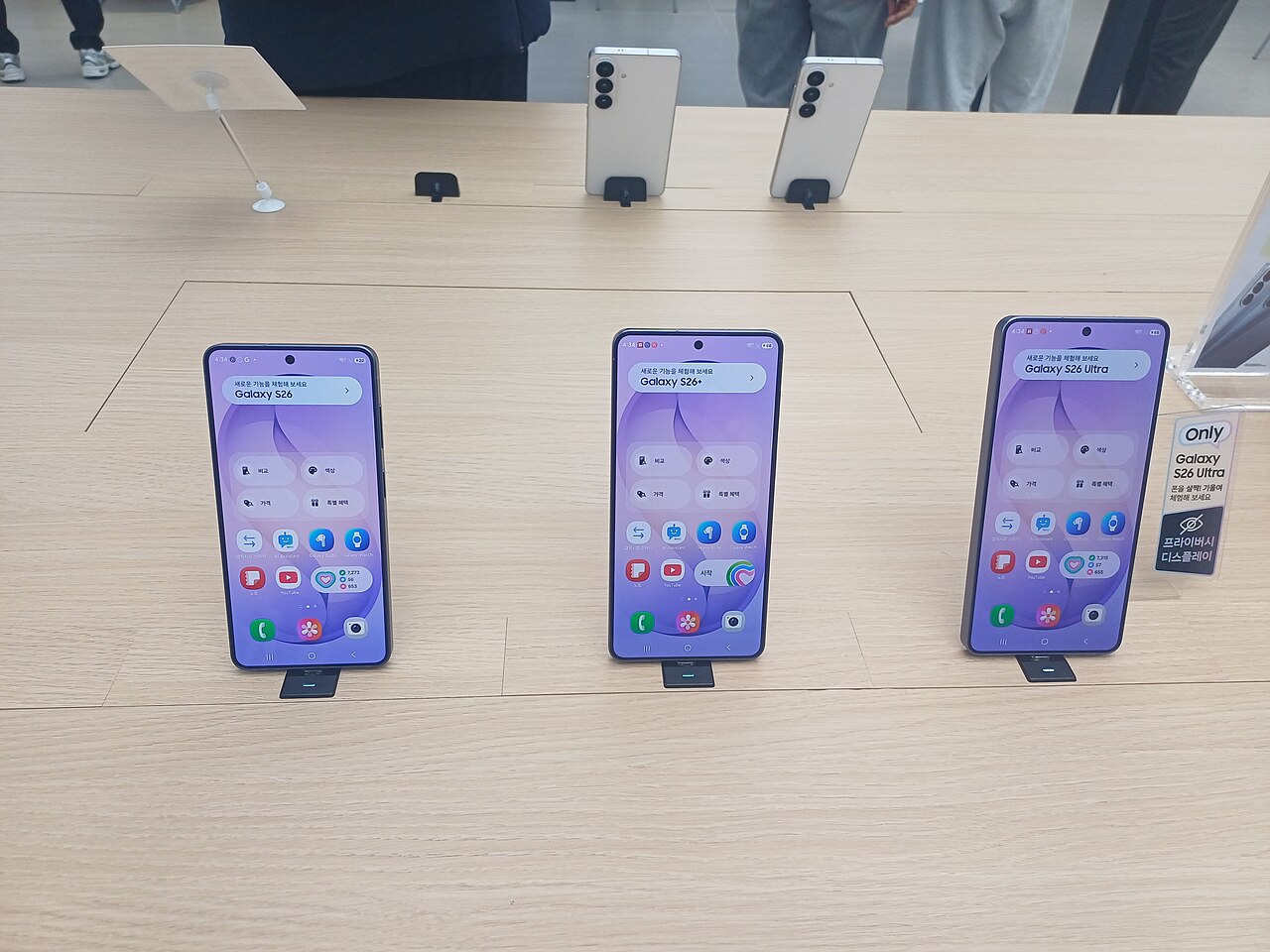
One UI 9 update is making its way to Galaxy S26, bringing exciting new features and improvements to users.
What is One UI 9?
One UI 9 is the latest version of Samsung’s user interface designed to enhance the experience for Galaxy device users. This update builds upon the foundation laid by its predecessor, offering a more refined interface and improved functionality. One UI 9 focuses on providing users with a seamless and intuitive experience, while also introducing several new features.
The update is characterized by:
Enhanced Customization: Users can now personalize their devices with more themes, icons, and widgets, making their smartphones truly unique.
Improved Performance: One UI 9 optimizes battery usage and app management, ensuring smoother multitasking and longer device longevity.
New Privacy Features: Enhanced privacy controls allow users to manage permissions for apps more effectively, ensuring better data security.
Advanced Camera Capabilities: The update brings new camera modes and editing tools, elevating photography to a professional level.
With the rollout of the One UI 9 update already beginning for the Galaxy S26, Samsung is expected to extend this upgrade to a wide range of devices in the coming weeks.
Features of One UI 9 Update
The latest One UI 9 update brings a host of exciting features designed to enhance user experience and device performance. Samsung has focused on making this rollout the best and quickest yet, ensuring that users can enjoy these improvements without delay.
Some of the standout features include:
Enhanced Customization: Users can now personalize their home screens with more themes, widgets, and icon styles, making their device truly unique.
Improved Multitasking: The update introduces better split-screen functionality, allowing users to run multiple apps simultaneously with ease.
Advanced Privacy Controls: One UI 9 enhances user privacy by providing more transparent app permissions and security settings.
New Accessibility Features: The update includes options that make devices more user-friendly for those with disabilities, ensuring everyone can benefit from Samsung’s technology.
Additionally, the One UI 9 update optimizes performance, resulting in faster app launches and improved battery life, making it a compelling upgrade for Galaxy S26 users and beyond.
How to Install One UI 9
If you’re eager to experience the latest enhancements from the One UI 9 update, installing it on your compatible Samsung device is a straightforward process. Here’s how you can do it:
Check Compatibility: Ensure your device is eligible for the One UI 9 update. The rollout primarily targets the Galaxy S26 series, but additional devices will soon follow.
Backup Your Data: Before proceeding, make sure to back up your important files and data. This step is crucial to prevent any potential data loss during the update process.
Open Settings: Navigate to the “Settings” app on your device.
Software Update: Scroll down and tap on “Software Update.” Here, you can check for any available updates.
Download and Install: If the One UI 9 update is available, follow the on-screen prompts to download and install the update. Make sure your device is connected to Wi-Fi and has sufficient battery life.
After the installation is complete, your device will reboot, and you can start enjoying the new features and improvements that come with the One UI 9 update.
Upcoming Devices for One UI 9
The rollout of the One UI 9 update is exciting news for Samsung users, especially as various devices prepare to receive this latest version. Samsung has been known for its commitment to keeping devices updated, and this time is no different. Here are some of the upcoming devices expected to get the One UI 9 update:
Galaxy S26 – The flagship model is already receiving the update, showcasing Samsung’s dedication to its premier line.
Galaxy Note 20 – This popular series is set to benefit from the new features and enhancements that One UI 9 offers.
Galaxy A54 – Mid-range users can also look forward to the update, ensuring broader accessibility.
Galaxy Z Fold 5 – Foldable devices are on the list, emphasizing Samsung’s focus on innovation.
Galaxy Tab S9 – Tablets are not left behind, as they will also see the advantages of the new interface.
The swift rollout of the One UI 9 update reflects Samsung’s commitment to enhancing user experience across its device lineup.
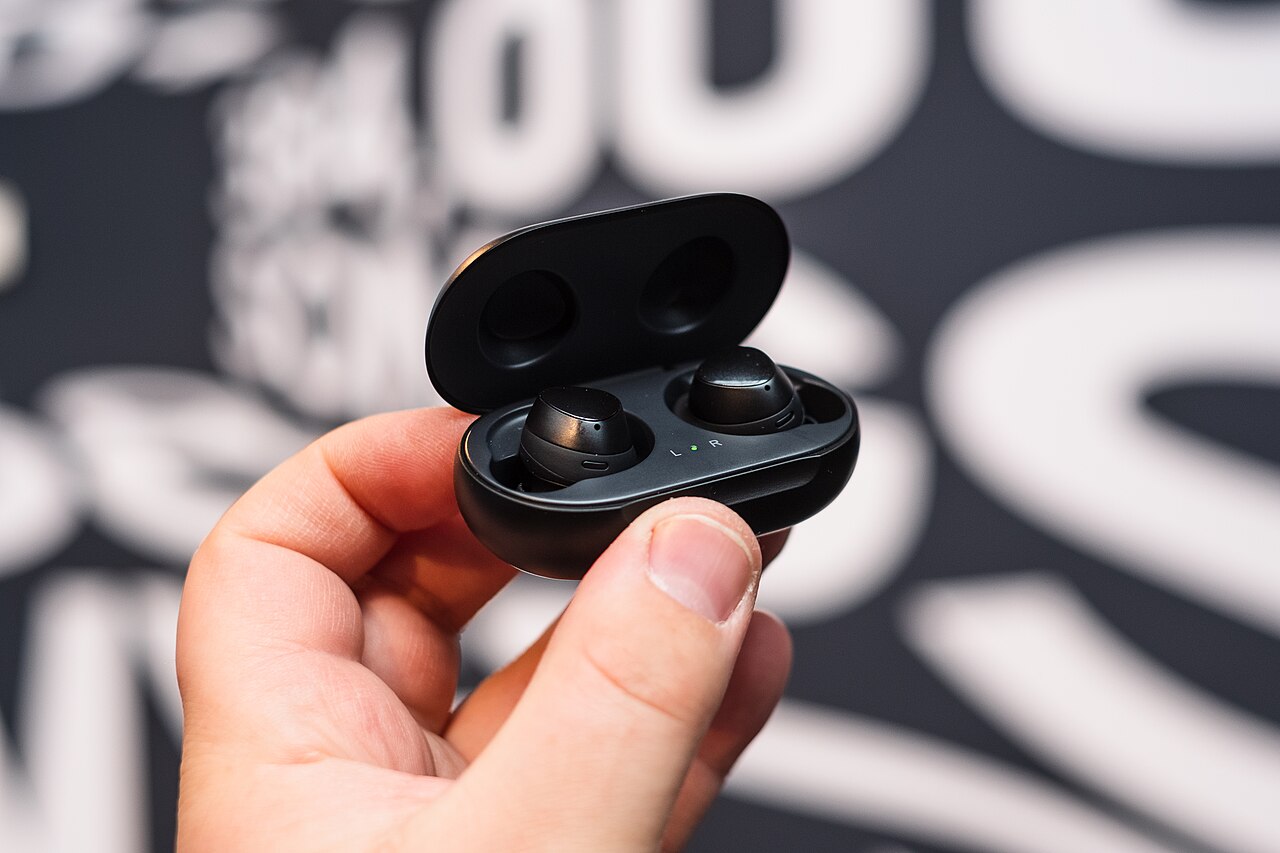
Samsung Galaxy Buds features are unveiled, showcasing innovative technology and design that promises an exceptional audio experience.
Overview of Samsung Galaxy Buds
The Samsung Galaxy Buds have quickly become a popular choice among audio enthusiasts, thanks to their impressive features and sleek design. These wireless earbuds are engineered to deliver an exceptional sound experience, making them ideal for music lovers and casual listeners alike.
One of the standout features of the Samsung Galaxy Buds is their adaptive sound technology, which automatically adjusts the audio levels based on the surrounding environment. This ensures that users enjoy clear sound whether they are in a quiet room or a bustling café. Additionally, the earbuds offer active noise cancellation, allowing for an immersive listening experience without distractions.
The battery life of the Galaxy Buds is another highlight, providing up to 11 hours of playback on a single charge, with an additional 11 hours available from the charging case. Users can also take advantage of the touch controls for easy navigation and customization of sound settings.
With their combination of advanced features, stylish design, and superior audio quality, the Samsung Galaxy Buds are a compelling choice for anyone seeking a top-notch wireless listening experience.
Key Features of the New Galaxy Buds
The new Samsung Galaxy Buds come packed with an array of impressive features that enhance the listening experience and showcase the brand’s commitment to innovation. Here are some of the key features of the new Galaxy Buds:
Superior Sound Quality: The Galaxy Buds deliver a rich and immersive audio experience, ensuring every note is clear and crisp.
Active Noise Cancellation: Users can enjoy their music without distractions, as this feature effectively reduces ambient noise.
Customizable Sound Profiles: Listen according to personal preferences with adjustable EQ settings for a tailored sound experience.
Long Battery Life: Enjoy up to 11 hours of playtime on a single charge, with an additional 11 hours provided by the charging case.
Touch Controls: Easily manage playback and calls through intuitive touch-sensitive controls on the earbuds.
Water Resistance: With an IPX2 rating, these buds are designed to withstand sweat and light rain, making them ideal for workouts.
With these features, the Samsung Galaxy Buds truly offer a best clear sound experience for music lovers.
Samsung Galaxy Buds Features: What to Expect
The Samsung Galaxy Buds are designed to deliver an exceptional audio experience, making them a top choice for music lovers and casual listeners alike. With their advanced technology, these earbuds offer a variety of impressive features that enhance usability and sound quality.
One of the standout Samsung Galaxy Buds features is their noise-cancellation capability, which allows users to immerse themselves in their music without external distractions. Additionally, the ergonomic design ensures a comfortable fit for extended wear, making them perfect for workouts or long commutes.
Another noteworthy feature is the long battery life, providing hours of listening time on a single charge. Users can also enjoy the convenience of touch controls, which allow for easy management of calls and music playback.
For those who appreciate customization, the Galaxy Buds come with an app that offers sound presets and equalizer settings, allowing users to tailor their audio experience to their liking. Overall, the Samsung Galaxy Buds are packed with features that cater to diverse listening preferences.
Comparing Galaxy Buds with Competitors
When comparing the Samsung Galaxy Buds features with those of its competitors, it becomes clear why they stand out in today’s market. The seamless integration with Samsung devices enhances the user experience, offering quick pairing and access to various features that elevate sound quality.
Several factors contribute to the Galaxy Buds’ competitive edge:
Sound Quality: The Galaxy Buds deliver crisp highs and deep bass, making them ideal for music lovers.
Battery Life: With up to 11 hours of playtime on a single charge, and an additional charge from the case, they outperform many rivals.
Comfort and Fit: Ergonomically designed, they provide a secure fit for long listening sessions without discomfort.
Active Noise Cancellation: This feature allows users to immerse themselves in their music, blocking out unwanted background noise.
While competitors like Apple and Sony offer strong alternatives, the combination of these features in the Samsung Galaxy Buds makes them a compelling choice for audiophiles and casual listeners alike.
User Experience and Reviews
The user experience with the Samsung Galaxy Buds has garnered positive feedback from both casual listeners and audiophiles alike. Many users have praised the sound quality, highlighting the immersive audio experience that the Galaxy Buds deliver. The seamless connectivity with various devices is another feature that has been well-received, allowing users to transition effortlessly between their smartphones, tablets, and laptops.
Reviews often mention the comfort of the Galaxy Buds, making them suitable for extended use without discomfort. The snug fit is complemented by various ear tip sizes, ensuring that everyone can find their perfect match. Battery life is also a common focal point in user reviews, with many appreciating the long hours of playback time.
In addition, the intuitive touch controls have been lauded for their responsiveness. Users can easily manage calls, adjust volume, and switch tracks with simple taps. Overall, the combination of features and user satisfaction highlights why the Samsung Galaxy Buds are considered a top choice for anyone seeking a premium listening experience.
The Samsung Galaxy Buds features include advanced noise cancellation technology that enhances audio clarity. With these impressive Samsung Galaxy Buds features, users can enjoy an immersive listening experience like never before.
Google artificial intelligence chips are making headlines as the tech giant plans to send them into orbit. This ambitious project aims to enhance space exploration capabilities and technological advancements.
The Vision Behind Google’s AI Chips
Google has unveiled an ambitious vision for the future of artificial intelligence through its innovative AI chips. These chips are designed not just for terrestrial applications but also for deployment in orbit. By leveraging the unique advantages of space, such as reduced latency and increased processing power, Google aims to revolutionize data processing and machine learning capabilities.
The company envisions a network of satellites equipped with these advanced chips, which will facilitate real-time analysis and decision-making for various industries, including telecommunications and climate monitoring. The potential of Google artificial intelligence chips extends beyond mere computation; they could significantly enhance connectivity and efficiency across the globe.
As the project progresses, experts anticipate a new era of AI-driven solutions that harness the vast resources of outer space, paving the way for breakthroughs that were previously unimaginable.
How AI Chips Will Transform Space Missions
Google’s artificial intelligence chips are set to revolutionize space missions by enhancing data processing capabilities in orbit. These chips are designed to perform complex calculations rapidly, enabling real-time decision-making for spacecraft. With AI-powered processing, missions can adapt to unforeseen challenges, improving safety and efficiency.
Some key benefits of implementing AI chips in space include:
Improved Autonomy: Spacecraft equipped with AI chips can operate independently, reducing the need for constant communication with mission control.
Data Analysis: Advanced algorithms can analyze vast amounts of data collected from space in real-time, leading to quicker insights and discoveries.
Resource Management: AI chips can optimize energy and resource use, extending the lifespan of missions.
As Google continues to develop its artificial intelligence chips, the future of space exploration looks more promising than ever.
Google Artificial Intelligence Chips: What to Expect
Google’s foray into artificial intelligence chips marks a significant leap in technology, particularly in the realm of space exploration. These advanced chips are designed to enhance computational power while minimizing energy consumption, making them ideal for use in orbit. As missions become more complex, the need for real-time data processing becomes paramount.
With the development of Google artificial intelligence chips, we can expect:
Increased Efficiency: The chips will enable spacecraft to analyze vast amounts of data on-the-fly, improving decision-making processes.
Enhanced Autonomy: AI capabilities will allow satellites to operate independently, reducing the need for constant communication with Earth.
Improved Reliability: With advanced error detection and correction, these chips will enhance mission success rates.
Overall, Google’s innovative approach promises to revolutionize how we conduct space missions, paving the way for a new era of exploration.
Challenges of Sending AI Technology into Orbit
Despite the promising potential of Google artificial intelligence chips, several challenges remain in their journey to orbit. One major concern involves power consumption; ensuring that these chips operate efficiently in the harsh conditions of space is crucial.
Additionally, radiation exposure poses a significant threat to the integrity of electronic components. Without adequate shielding, the AI chips could be rendered ineffective, leading to mission failures.
Another issue is the development of reliable communication systems. The chips need to transmit data seamlessly back to Earth, and any interruptions could hinder the effectiveness of space missions.
Moreover, the cost of launching and maintaining these technologies in space is substantial. Balancing innovation with budgetary constraints will be vital for the success of Google’s ambitious plans.
Overcoming these hurdles will be essential for realizing the full potential of Google artificial intelligence chips in extraterrestrial applications.
Future Implications for Space Exploration
The integration of Google artificial intelligence chips into space exploration holds promising implications for the future of interstellar missions. These advanced chips are designed to process vast amounts of data in real time, which can significantly enhance decision-making capabilities far from Earth.
As missions become increasingly complex, the need for autonomous systems becomes paramount. The potential for AI chips to operate independently on spacecraft allows for:
Enhanced Navigation: AI can analyze data from multiple sensors to optimize routes and avoid obstacles.
Real-time Data Processing: These chips can manage scientific experiments and analyze results as they occur, leading to faster discoveries.
Improved Communication: AI can prioritize data transmission, ensuring that critical information reaches mission control promptly.
Ultimately, the use of Google artificial intelligence chips may redefine how humanity explores the cosmos, paving the way for smarter, more efficient space missions.