Category: science

  • Black Hole Event Horizon: A Simple Explanation of Vibrating Mirrors

    Black Hole Event Horizon: A Simple Explanation of Vibrating Mirrors

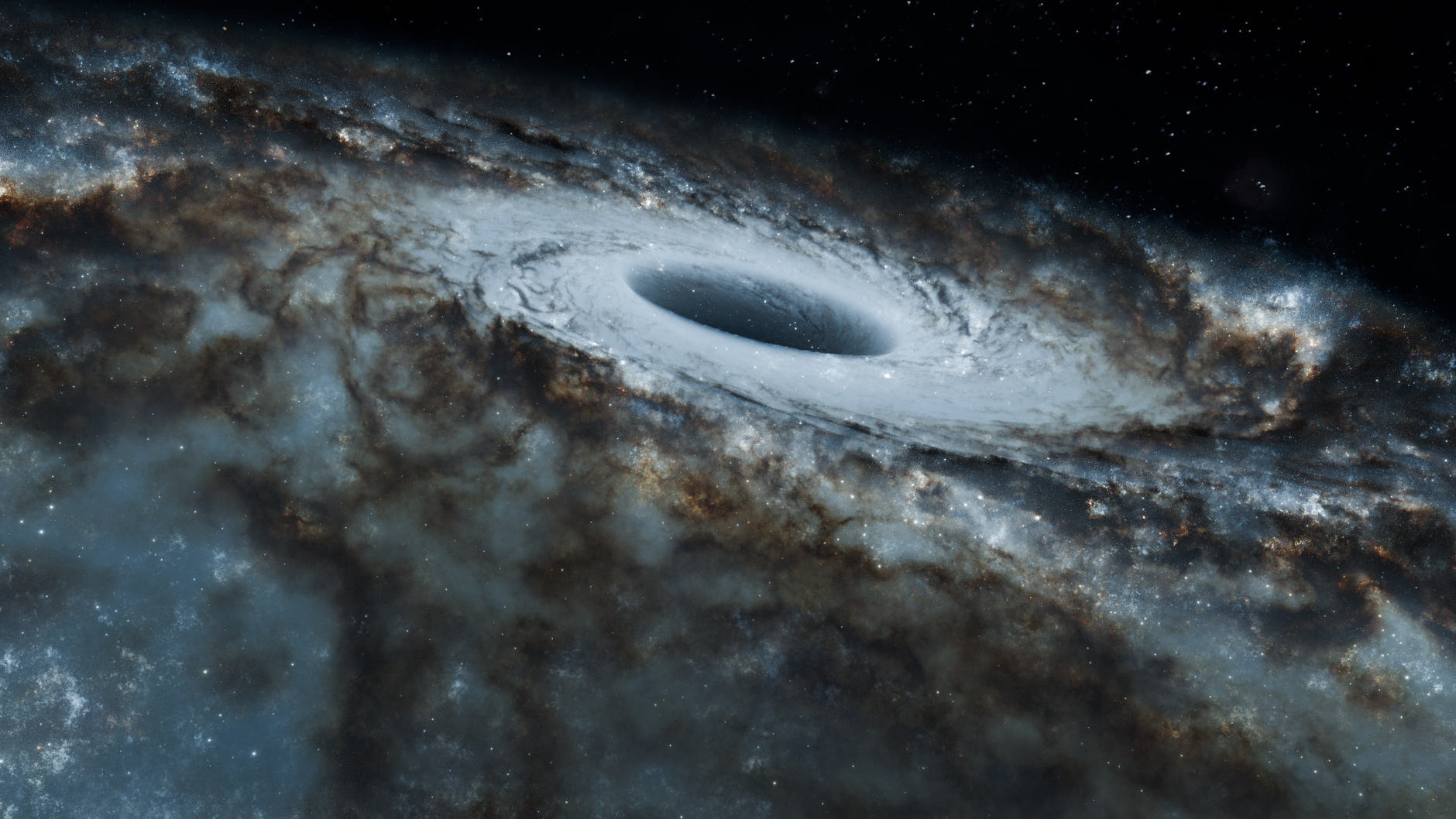
    The black hole event horizon has been analogously created using vibrating mirrors of light. This groundbreaking development opens new avenues for understanding complex astrophysical phenomena.

    Understanding Black Hole Event Horizon

    The concept of a black hole event horizon can be quite complex, but recent experiments have made it more tangible. Researchers have been exploring how light behaves near this critical boundary, where not even light can escape a black hole’s grasp. By using vibrating mirrors, scientists have created an analog that simulates the effects of a black hole event horizon.

    These mirrors oscillate at specific frequencies, mimicking the gravitational pull of a black hole. When light interacts with these vibrating surfaces, it produces fascinating phenomena that resemble what occurs near a true event horizon.

    Key findings from this research include:

    • Wave Behavior: Light waves can be affected in ways similar to their behavior near a black hole.
    • Energy Transfer: The interaction between light and the mirrors reveals how energy can be converted and lost.
    • Understanding Gravity: This setup helps scientists explore the fundamental principles of gravity and spacetime.

    This experimental approach not only enhances our understanding of black holes but also opens new avenues for research in theoretical physics.

    The Science Behind Vibrating Mirrors

    The study of vibrating mirrors has opened up new avenues in understanding complex phenomena, including the enigmatic black hole event horizon. Researchers have demonstrated that these mirrors can create an analog to a black hole, allowing scientists to explore the effects of gravitational forces in a controlled environment.

    When light interacts with a vibrating mirror, it reflects in a manner that simulates the dynamics of a black hole’s event horizon. This interaction leads to fascinating effects, such as:

    • Hawking radiation: The theoretical prediction that black holes emit radiation can be tested through the behavior of light in this setup.
    • Redshift phenomena: Observing how light waves stretch as they approach the vibrational frequency of the mirror mimics what occurs near a black hole.
    • Quantum fluctuations: The mirrors enable scientists to examine quantum effects that arise near the event horizon.

    By studying these vibrating mirrors, researchers hope to gain deeper insights into the nature of black holes and their event horizons, bridging the gap between theoretical physics and experimental validation.

    Implications for Astrophysics

    The study of vibrating mirrors has profound implications for astrophysics, particularly in understanding the black hole event horizon. By creating an analog of this cosmic boundary in a controlled environment, researchers can explore phenomena that are otherwise impossible to observe directly in space.

    These experiments open up new pathways for investigating the fundamental principles of physics. For instance, they allow scientists to test theories related to the behavior of light and gravity in extreme conditions that mimic those near a black hole event horizon. This can lead to a better understanding of how information is lost or preserved in black holes, a topic that remains one of the biggest mysteries in modern astrophysics.

    Furthermore, the use of vibrating mirrors can shed light on the nature of Hawking radiation, a theoretical prediction about black holes that suggests they can emit radiation due to quantum effects. By simulating the event horizon in a laboratory, physicists hope to gather data that could confirm or refute existing theories.

    In summary, the implications of these findings extend beyond mere observation, potentially reshaping our understanding of the universe.

    How Light Behaves in This Experiment

    In the recent experiment involving vibrating mirrors, researchers have gained insights into how light behaves near a black hole event horizon. This phenomenon can be observed by examining the effects of the mirrors’ rapid vibrations on the light waves emitted towards them.

    When light travels toward the vibrating mirrors, it experiences a shift in frequency, a phenomenon known as the Doppler effect. As the mirrors oscillate, they create conditions analogous to those found at a black hole event horizon, where light cannot escape due to immense gravitational pull. The mirrors essentially simulate this environment, allowing scientists to study light’s behavior without the need for a real black hole.

    This experiment illustrates several key principles:

    • Frequency Shift: Light emitted towards the moving mirrors is shifted in frequency, resembling the effects seen near a black hole.
    • Energy Dynamics: The interaction between light and the mirrors showcases how energy is transformed in extreme conditions.
    • Analog Models: Using mirrors to simulate a black hole event horizon opens new pathways for understanding fundamental physics.

    These findings not only deepen our understanding of light but also enhance our grasp of black hole physics and its implications for the universe.

    Potential Applications in Physics

    The exploration of vibrating mirrors that simulate a black hole event horizon opens up exciting potential applications in physics. Researchers are beginning to uncover how these analogs can enhance our understanding of fundamental concepts in both quantum mechanics and general relativity.

    • Testing Quantum Theories: By using vibrating mirrors, scientists can test predictions made by quantum theory in a controlled environment, providing insight into the behavior of particles near extreme gravitational fields.
    • Studying Hawking Radiation: The experiments may shed light on Hawking radiation, a theoretical prediction that black holes emit radiation due to quantum effects near their event horizons. Understanding this radiation in a lab setting could lead to breakthroughs in theoretical physics.
    • Developing New Technologies: The principles derived from these studies might also inspire novel technologies in communication and information processing, leveraging the unique properties of light and gravity.
    • Enhancing Cosmological Models: Insights gained from these experiments could refine existing cosmological models, helping to bridge gaps between observable phenomena and theoretical frameworks.

    As research progresses, the implications of vibrating mirrors in relation to black hole event horizons may transform various fields of physics.

    Recent Discoveries in Black Hole Research

    Recent discoveries in black hole research have shed light on the intriguing concept of the black hole event horizon. Scientists have been exploring the behavior of light and its interaction with vibrating mirrors, leading to significant advancements in our understanding of this cosmic phenomenon.

    In a groundbreaking experiment, researchers created an analog of a black hole event horizon using finely tuned mirrors that vibrate at specific frequencies. This setup mimics the gravitational effects of a black hole, allowing scientists to observe how light behaves as it approaches the event horizon.

    The findings have been promising, revealing that the vibrating mirrors can create conditions similar to those found near a black hole. As light encounters these mirrors, it exhibits behaviors analogous to what occurs near an actual event horizon, such as redshift and wave distortion.

    These recent advancements are not only enhancing our theoretical understanding but also opening new avenues for potential applications in physics, including the development of novel technologies that harness these unique properties of light. The ongoing research emphasizes the critical role of analog systems in exploring the complexities of astrophysics.

    Future of Light Manipulation Technology

    The future of light manipulation technology holds exciting possibilities, particularly in the realm of black hole event horizons. As researchers continue to explore vibrating mirrors, the potential applications could revolutionize our understanding of light and its interactions with gravity.

    One promising avenue is the development of advanced communication systems that utilize light manipulation to enhance data transmission. By creating conditions that mimic a black hole event horizon, scientists can develop methods to control and redirect light in unprecedented ways, leading to faster and more secure communication networks.

    Additionally, the principles derived from these experiments may pave the way for new types of sensors. These sensors could detect minute changes in gravitational fields, offering insights into cosmic phenomena and aiding in the search for gravitational waves.

    Moreover, as our understanding of the black hole event horizon deepens, it may also influence technology in fields such as quantum computing and imaging. The ability to manipulate light with precision could lead to breakthroughs that enhance computational power and imaging techniques, ultimately pushing the boundaries of modern physics.

    In summary, the future of light manipulation technology appears bright, with the potential to unlock mysteries surrounding black holes and beyond.

    Photo by Iceberg San on Pexels

    Read the original

    Phys.org

    Related stories

    Motorola foldable phone: Is it the best new device? · Moto Watch 2 Fit: Best Online Price in India Today · Remote Sensing Satellites: What Are the Best Options Available?

  • Climate Change Ice Age: The Real Impact on Our Future

    Climate Change Ice Age: The Real Impact on Our Future

    Climate change ice age is a pressing question in today’s scientific discussions. Recent studies suggest that global warming may alter the natural cycles that lead to ice ages.

    Understanding Climate Change

    Climate change is a complex phenomenon that significantly impacts our planet’s climate system. Understanding its effects is crucial as scientists explore the potential for a new ice age, which may have been altered by human activity.

    Historically, ice ages have been driven by natural cycles in the Earth’s orbit and axial tilt. However, the current rate of climate change poses questions about these natural processes. Here are some key points to consider:

    • Human Impact: The increase in greenhouse gas emissions has accelerated global warming, which counteracts the natural cooling tendencies that could lead to an ice age.
    • Global Temperatures: Rising temperatures are causing polar ice to melt, which in turn affects ocean currents and weather patterns.
    • Feedback Loops: Melting ice reduces the Earth’s albedo effect, leading to further warming as darker ocean waters absorb more heat.
    • Future Predictions: Climate models suggest that if current trends continue, the likelihood of entering a new ice age is diminished, altering Earth’s climatic trajectory.

    In conclusion, the interplay between climate change and the possibility of an ice age is intricate, underscoring the urgent need for environmental awareness and action.

    What Causes Ice Ages?

    The onset of ice ages is a complex phenomenon influenced by a variety of factors. Primarily, changes in the Earth’s position relative to the sun, known as Milankovitch cycles, play a significant role. These cycles affect the distribution and intensity of sunlight received by the Earth, leading to long-term climatic shifts.

    Another critical factor in the formation of ice ages is the level of greenhouse gases in the atmosphere. During periods when carbon dioxide and methane levels are low, the planet cools, which can trigger the development of glaciers and ice sheets.

    Additionally, volcanic activity can contribute to cooling by releasing ash and sulfur dioxide into the atmosphere, which reflects sunlight away from the Earth. Ocean currents also have a substantial impact, as they help distribute heat around the planet.

    Human activities have altered many of these natural processes, raising questions about how current climate change could affect the possibility of entering another ice age. As we continue to emit greenhouse gases at unprecedented rates, the delicate balance of these factors may be disrupted, potentially delaying or even preventing the onset of a new ice age.

    The Science Behind Climate Shifts

    The science behind climate shifts is complex and multifaceted, involving a range of factors that contribute to the Earth’s changing climate. Researchers have identified several key elements that drive these shifts, including:

    • Greenhouse Gas Emissions: The increase in carbon dioxide and other greenhouse gases traps heat in the atmosphere, altering temperature patterns.
    • Solar Radiation: Variations in solar energy received by the Earth can influence climate over long periods.
    • Ocean Currents: Changes in ocean currents can significantly impact weather patterns and temperatures across the globe.
    • Volcanic Activity: Eruptions can inject significant amounts of ash and gases into the atmosphere, affecting climate temporarily.

    Additionally, the potential for climate change to halt the onset of a new ice age has been a subject of ongoing research. Scientists argue that while natural cycles may suggest an ice age is due, human-induced climate change complicates these patterns. The interaction between these forces could determine not only our current climate but also the trajectory towards future ice ages or warming trends.

    Understanding the science behind these climate shifts is crucial for predicting how our environment will evolve in the coming decades.

    Historical Ice Age Patterns

    Throughout history, Earth has experienced several ice ages, each marked by significant climatic shifts that shaped the planet’s ecosystems. Understanding these historical patterns is crucial in the context of current climate change, as it provides insights into how such shifts can impact global temperatures and ice coverage.

    Ice ages are characterized by prolonged periods of cold temperatures, during which vast ice sheets cover large portions of the continents. A few notable ice ages include:

    • Huronian Ice Age: Occurring around 2.4 to 2.1 billion years ago, this ice age is one of the earliest known.
    • Karoo Ice Age: Spanning from 360 to 260 million years ago, this period was marked by significant glacial activity in the Southern Hemisphere.
    • Quaternary Ice Age: Beginning around 2.58 million years ago and continuing to the present, this ice age includes the Pleistocene epoch, known for its repeated glaciations.

    As we face modern climate change, understanding these historical ice age patterns becomes essential. They help us predict potential outcomes, including the possibility that current climate trends could delay or alter the onset of a future ice age.

    Current Climate Trends

    As global temperatures continue to rise, current climate trends show a complex interaction between warming and the potential for future ice age conditions. Scientists are closely monitoring these trends to understand their implications for our planet.

    Recent research indicates that while we are experiencing significant warming, the underlying mechanisms that drive ice age cycles remain active. Key indicators include:

    • Atmospheric Carbon Dioxide Levels: Rising CO2 levels are linked to increased greenhouse gas emissions, which are contributing to current warming trends.
    • Glacial Retreat: The rapid melting of glaciers and ice sheets is accelerating, leading to rising sea levels and changing weather patterns.
    • Ocean Temperature Changes: Warmer ocean temperatures can disrupt currents that play a critical role in climate regulation.

    As we examine the potential for a future climate change ice age, it is essential to consider how human activities may be influencing natural cycles. The balance between greenhouse gas emissions and natural processes is delicate, making it crucial for researchers to continue studying these trends and their long-term effects on our environment.

    Future Projections for Earth

    As climate change continues to alter our planet’s environment, future projections for Earth become increasingly critical to understand. Scientists have been investigating the potential impacts of climate change on ice age cycles and what this could mean for human civilization.

    According to climate models, if current trends continue, we may see significant shifts in global temperatures, potentially delaying or even preventing the onset of a new ice age. This phenomenon raises several concerns:

    • Rising Sea Levels: As polar ice melts, ocean levels are expected to rise, threatening coastal cities and ecosystems.
    • Extreme Weather Events: Increased temperatures can lead to more frequent and severe storms, droughts, and flooding.
    • Impact on Biodiversity: Many species may struggle to adapt to rapid changes, leading to potential extinctions and loss of biodiversity.

    The interplay between climate change and ice ages highlights the complex dynamics of Earth’s climate system. As we look to the future, it is essential to consider how these factors will shape our planet and the survival of human societies.

    Addressing climate change could help mitigate these risks and potentially influence the timing of future ice ages, emphasizing the need for urgent action.

    The potential onset of a climate change ice age could drastically alter ecosystems and human societies alike. Understanding the implications of a climate change ice age is crucial for developing effective strategies to mitigate its effects.

    By James St. John via Openverse

    Read the original

    Euronews.com

    More on this site

    HP ProBook 4 G2iS: Is It the Best Laptop for You? · Airtel Best Plan: Simple 30GB Data with Netflix for Just Rs 279 · Mafia 2 PS5 release: Best 60 FPS Gaming Experience

  • OpenAI preprint dump: Is it the best source for research?

    OpenAI preprint dump: Is it the best source for research?

    The OpenAI preprint dump has generated significant interest in the scientific community. Researchers are eager to explore its implications and potential benefits.

    What is the OpenAI preprint dump?

    The OpenAI preprint dump refers to a collection of research papers and articles that have not yet undergone formal peer review but are shared publicly for the purpose of disseminating knowledge and sparking discussion within the scientific community. This repository serves as a platform for researchers to share their findings, methodologies, and insights, allowing for quicker access to new ideas and advancements in various fields, particularly in artificial intelligence.

    One of the primary benefits of the OpenAI preprint dump is that it enables researchers to receive feedback from their peers before the formal publication process. This can lead to improvements in the quality and rigor of the research. However, it is essential to approach these preprints with a degree of caution, as the lack of peer review means that the findings may not have been fully validated.

    In summary, while the OpenAI preprint dump offers a valuable resource for early research dissemination, users should critically evaluate the information presented and consider it within the broader context of established research.

    Impact of Taylor & Francis leaving Informa

    The recent decision by Taylor & Francis to leave Informa has raised questions about the future of academic publishing and its impact on researchers. As the landscape changes, many are turning to the OpenAI preprint dump as an alternative source for research dissemination.

    With Taylor & Francis stepping away from Informa, there are several implications for academic authors and their ability to share findings:

    • Increased competition: The departure may lead to more independent publishing platforms, which could benefit researchers seeking greater visibility.
    • Changes in access: As traditional publishers reorganize, the accessibility of academic papers might shift, prompting researchers to explore preprint options.
    • Quality control concerns: With more platforms emerging, there may be challenges in ensuring the rigor and credibility of published research.

    Ultimately, as academics seek reliable sources, the OpenAI preprint dump could become a pivotal resource in the evolving research environment.

    Understanding arXiv’s preprint cap

    arXiv has established itself as a leading repository for preprints, providing researchers with a platform to share their findings before formal peer review. However, understanding its preprint cap is essential for evaluating sources like the OpenAI preprint dump.

    The preprint cap refers to the limit on the number of submissions that can be made during a specific timeframe, ensuring quality control and preventing an overwhelming influx of papers. This system serves several purposes:

    • Maintaining Quality: By capping submissions, arXiv can uphold standards, allowing only the most relevant and rigorous research to be accessible.
    • Encouraging Selectivity: Researchers must be selective about their submissions, which can lead to more polished and thoughtful work.
    • Avoiding Overcrowding: Limiting the number of preprints helps prevent an overwhelming volume of papers, making it easier for readers to navigate through content.

    As the landscape of research changes, the significance of understanding these mechanisms grows, particularly when considering the OpenAI preprint dump as a potential source for scholarly work.

    Benefits of using preprints in research

    The use of preprints in research has gained significant traction, particularly with resources like the OpenAI preprint dump. These preliminary versions of research papers offer several advantages that can enhance the scientific discourse.

    • Rapid dissemination: Preprints allow researchers to share their findings quickly, facilitating faster feedback from peers and the broader community.
    • Increased visibility: By posting on preprint servers, authors can increase the visibility of their work, making it accessible to a wider audience, including those who may not have access to traditional journals.
    • Encouragement of collaboration: Preprints can spark discussions and collaborations, as other researchers can build upon the work early in its development.
    • Open access: Many preprint platforms provide free access to research, promoting transparency and democratizing knowledge.
    • Feedback opportunities: Authors receive valuable feedback that can be incorporated into their final submissions, enhancing the quality of the research.

    Overall, the OpenAI preprint dump exemplifies how preprints can serve as a vital resource in the evolving landscape of scientific research.

    Photo by Tom Fisk on Pexels

    Read the original

    More on this site