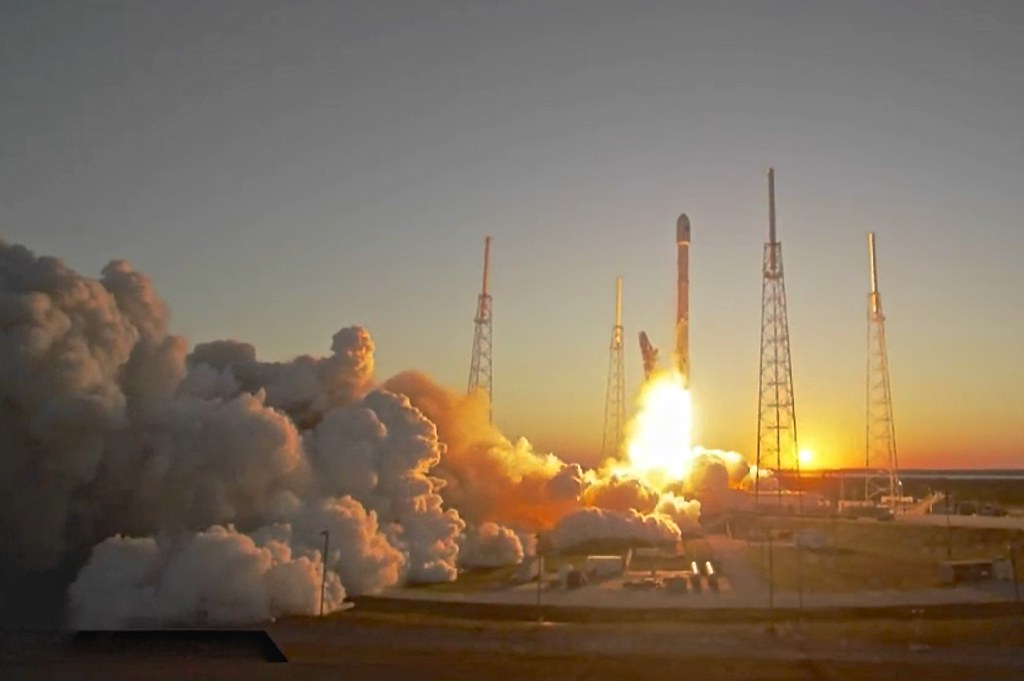
SpaceX launch December marks a significant advancement as Amazon accelerates its plans for Leo broadband satellites. This strategic move highlights the growing competition in the satellite internet sector.
Overview of Amazon’s Strategy
Amazon’s recent decision to advance its partnership with SpaceX for the launch of low Earth orbit (LEO) broadband satellites highlights the company’s strategic approach to enhancing its satellite network. By moving the SpaceX launch in December, Amazon aims to expedite the deployment of its Project Kuiper system, which is designed to provide high-speed internet access to underserved areas worldwide.
This initiative is part of a broader strategy that includes:
- Collaborating with established aerospace companies to leverage their expertise.
- Accelerating the timeline for satellite deployment to gain a competitive edge in the broadband market.
- Focusing on scalable solutions that can quickly adapt to changing technological landscapes.
Overall, Amazon’s proactive measures reflect its commitment to revolutionizing connectivity through innovative satellite technology.
Impact on Satellite Internet
The upcoming SpaceX launch in December is set to significantly impact the satellite internet landscape. As Amazon prepares to deploy its constellation of Low Earth Orbit (LEO) satellites, the collaboration with SpaceX marks a crucial step in enhancing global connectivity.
This launch will facilitate the delivery of high-speed internet to underserved regions, revolutionizing access to digital resources. The deployment of these satellites is expected to:
- Increase internet access in rural and remote areas
- Enhance the speed and reliability of internet services
- Encourage competition among satellite broadband providers
As Amazon continues to advance its satellite strategy, the SpaceX launch in December could prove pivotal in shaping the future of broadband technology and connectivity worldwide.
Details of the December Launch
The upcoming SpaceX launch in December marks a significant milestone for Amazon as it accelerates its efforts in the low Earth orbit (LEO) satellite market. This launch will deploy a batch of satellites that are crucial for Amazon’s Project Kuiper, aimed at providing global broadband internet access. The partnership with SpaceX highlights Amazon’s strategy to leverage established aerospace capabilities, ensuring a smoother and more efficient deployment of its satellite constellation.
Key details regarding the December launch include:
- Launch Date: Scheduled for mid-December.
- Launch Vehicle: SpaceX Falcon 9 rocket.
- Number of Satellites: A total of 34 satellites will be deployed.
- Mission Objective: Enhance connectivity for underserved regions.
This endeavor reinforces Amazon’s commitment to becoming a significant player in the satellite internet industry.
Comparison with Other Providers
As the SpaceX launch in December approaches, comparisons with other satellite providers become increasingly relevant. Several companies, including OneWeb and Starlink, have made significant strides in the Low Earth Orbit (LEO) satellite market, yet Amazon’s approach stands out for its meticulous planning and strategic partnerships.
Key points of comparison include:
- Launch Frequency: SpaceX has established a rapid launch cadence, ensuring timely deployment of satellites.
- Technology Innovation: Amazon’s Kuiper project aims to enhance the user experience with advanced technology.
- Market Reach: While Starlink targets individual consumers, Amazon is focusing on strategic partnerships with businesses.
These factors position Amazon to leverage the upcoming SpaceX launch in December effectively, aiming to establish a robust presence in the competitive LEO market.
Challenges Facing SpaceX
As SpaceX prepares for its upcoming December launch, the company faces several challenges that could impact its mission to deploy Leo satellites for Amazon. The most pressing issues include:
- Technical Hurdles: Ensuring that all systems are operational and that the new satellites integrate seamlessly with existing technology.
- Launch Schedule: Coordinating the launch timeline amidst potential delays from regulatory approvals and weather conditions.
- Competition: Other companies are also ramping up their satellite deployments, which could affect SpaceX’s market position.
- Supply Chain Issues: Delays in securing necessary components could hinder preparations for the December launch.
Despite these challenges, SpaceX remains committed to its goal of expanding broadband access through innovative satellite technology.
Future of Leo Broadband
The future of LEO broadband is poised for significant transformation, especially with the upcoming SpaceX launch in December. As companies like Amazon continue to invest in satellite technology, the landscape for global internet access is changing rapidly.
Experts believe that the deployment of LEO satellites will enhance connectivity, particularly in underserved areas. The low latency offered by these satellites is expected to revolutionize communication and internet services.
Key factors influencing this future include:
- Increased Investment: Major players are investing heavily in satellite infrastructure.
- Technological Advancements: Innovations in satellite design and launch capabilities.
- Regulatory Support: Governments are beginning to embrace LEO satellite networks.
As the December launch approaches, anticipation grows regarding its potential impact on the broadband market.
Public Response to the Announcement
The announcement of the SpaceX launch in December has generated significant public interest and varied responses. Many industry experts view Amazon’s collaboration with SpaceX as a pivotal move in the competitive landscape of Low Earth Orbit (LEO) satellite communications. Consumers have expressed excitement about the potential for enhanced internet connectivity, particularly in rural areas where traditional broadband solutions are limited.
However, some critics have raised concerns regarding the environmental impact of increased satellite deployment and the risk of space debris. Social media channels have been abuzz with discussions, where supporters emphasize the innovative nature of the partnership while skeptics call for more stringent regulations. Overall, the public’s reaction reflects a mix of optimism and caution as stakeholders await the details of the upcoming SpaceX launch in December.
Conclusion and Next Steps
As the countdown to the SpaceX launch in December approaches, the collaboration between Amazon and SpaceX signifies a pivotal shift in the landscape of satellite internet services. With both companies poised to enhance their Low Earth Orbit (LEO) satellite networks, this move not only reflects Amazon’s strategic intent but also highlights the growing competition in the broadband sector.
The upcoming launch is expected to further solidify SpaceX’s position in the market, even as challenges remain. Stakeholders are keenly observing how this partnership will unfold, especially regarding regulatory hurdles and technological advancements.
Moving forward, it will be crucial for both Amazon and SpaceX to address these challenges while delivering on their promises of improved connectivity. As the industry evolves, consumer response and market dynamics will ultimately determine the success of this ambitious initiative.
The upcoming SpaceX launch December is set to play a pivotal role in the competition for low Earth orbit (LEO) satellite dominance. As Amazon ramps up its satellite deployment plans, the SpaceX launch December will serve as a benchmark for future missions in the industry.
By jurvetson via Openverse
Leave a Reply