Tag: satellite launch

  • UK military satellite launch: A Smart Investment for Defence

    UK military satellite launch: A Smart Investment for Defence

    UK military satellite launches are becoming increasingly important as the Titania satellite enters orbit, showcasing the UK’s commitment to space defence.

    Overview of the Titania Satellite

    The Titania satellite represents a significant advancement in the UK’s military capabilities, being part of a broader strategy to enhance national security in space. Launched successfully, this UK military satellite will provide critical data and support for various defence operations.

    Key features of the Titania satellite include:

    • Advanced Communication Systems: Titania is equipped with state-of-the-art technology to ensure secure and reliable communication.
    • Real-time Surveillance: The satellite offers enhanced surveillance capabilities, enabling the military to monitor activities in real-time.
    • Resilience: Designed to withstand potential threats, Titania enhances the UK’s resilience in the face of emerging challenges.

    This investment of £3 billion into space defence not only bolsters military operations but also positions the UK as a leader in military satellite technology. As global tensions rise, the capabilities provided by the Titania satellite are seen as essential for maintaining a strategic advantage.

    Importance of Space Defence

    The significance of space defence has never been more pronounced, particularly with the recent launch of the UK military satellite, Titania. As nations increasingly rely on satellite technology for communication, surveillance, and navigation, the need for robust defensive measures in space becomes paramount.

    Investing in space defence ensures that the UK can protect its national interests against emerging threats. Key reasons for this investment include:

    • Global Security: Satellites play a critical role in monitoring global conflicts and potential threats.
    • Technological Advancements: Continued investment fosters innovation in satellite technology, enhancing operational capabilities.
    • Strategic Autonomy: A dedicated military satellite program allows the UK to operate independently and safeguard its assets in space.
    • Allied Cooperation: Strengthening space capabilities can enhance collaborative efforts with NATO and other allies.

    Overall, the UK military satellite initiative represents a strategic move towards ensuring long-term security and resilience in an increasingly contested space environment.

    Details of the £3bn Investment

    The recent launch of the UK military satellite Titania marks a significant milestone in the nation’s commitment to enhancing its defence capabilities. This £3bn investment is aimed at strengthening the UK’s position in space defence, ensuring that the military is equipped to address emerging threats effectively.

    Key details of this investment include:

    • Advanced Technology: The Titania satellite is equipped with cutting-edge technology designed to provide real-time intelligence and surveillance.
    • Increased Surveillance: The satellite will enhance the UK’s ability to monitor space activities and respond to potential threats.
    • International Collaboration: This initiative is part of a broader strategy to collaborate with international allies, sharing vital information and resources.
    • Economic Boost: The investment is expected to create thousands of jobs in the aerospace sector, contributing to economic growth.

    Overall, the launch of the Titania satellite is a clear indication of the UK’s commitment to maintaining a robust defence posture in an increasingly contested space environment.

    Technological Advancements in Satellites

    The launch of the UK military satellite Titania signifies a leap forward in technological advancements, enhancing the country’s defence capabilities. This cutting-edge satellite is designed to provide critical data for military operations and improve situational awareness.

    Among the notable technologies integrated into Titania are:

    • Advanced Imaging Systems: These systems will allow for high-resolution surveillance, ensuring that UK forces have real-time information on potential threats.
    • Secure Communication Links: Titania is equipped with encrypted communication pathways, safeguarding sensitive military information from adversaries.
    • Artificial Intelligence: The satellite employs AI algorithms to analyze vast amounts of data quickly, assisting in decision-making processes.
    • Resilience to Interference: Designed to withstand electronic warfare, Titania can maintain functionality even in contested environments.

    These innovations highlight the significance of the UK military satellite in modern warfare, showcasing the nation’s commitment to maintaining a competitive edge in space defence.

    Future of UK Military in Space

    The future of the UK military in space is increasingly bright with the successful launch of the Titania satellite. This advancement signifies not only a commitment to national security but also a proactive approach to modern warfare challenges.

    As global tensions rise, the need for enhanced surveillance and communication capabilities becomes paramount. The UK military satellite is designed to provide real-time data and improve response times in critical situations. Experts suggest that the integration of such technology will enable the UK to maintain a strategic advantage in the ever-evolving landscape of international relations.

    Moreover, this investment paves the way for future innovations in space technology. It is expected that advancements in satellite capabilities will lead to greater collaboration with international allies and foster developments in commercial space exploration. As the UK continues to invest in its military capabilities, the role of satellites like Titania will be crucial in shaping the nation’s defense strategy for years to come.

    Global Space Defence Strategies

    The launch of the UK military satellite Titania marks a significant step in the evolution of global space defence strategies. As nations increasingly recognize the importance of securing their interests in outer space, the UK is positioning itself as a leader in this critical domain.

    Countries around the world are enhancing their military capabilities through advanced satellite technology, which plays a pivotal role in intelligence, surveillance, and reconnaissance. The Titania satellite exemplifies how the UK military is adapting to contemporary threats and ensuring operational readiness in increasingly contested environments.

    Several key elements are shaping the global landscape of space defence:

    • International Collaboration: Nations are forming alliances to share knowledge and resources.
    • Technological Innovation: Emphasis on cutting-edge technologies to improve satellite resilience.
    • Policy Development: Establishing frameworks for the responsible use of space.

    As the UK military satellite program progresses, it reflects a broader commitment to safeguarding national interests in the evolving space arena.

    Challenges Facing Satellite Launches

    The launch of the UK military satellite Titania marks a significant achievement; however, it is not without its challenges. The complexities involved in satellite launches can create hurdles that need to be navigated carefully.

    One of the primary challenges is the high cost associated with developing and launching satellites. Despite the £3bn investment, unforeseen expenses can arise, potentially straining budgets. Additionally, the timeline for satellite development can be lengthy, which may delay operational capabilities.

    Another issue is the increasing congestion in space. With numerous countries and private companies launching satellites, the risk of collisions rises, posing threats to both existing and future missions. Moreover, ensuring cybersecurity for military satellites like Titania is crucial; the potential for hostile interference is a constant concern.

    Finally, the technical challenges related to communication and data transfer must be addressed. Reliability in these systems is essential for effective military operations in space.

    • High costs of satellite development
    • Increased risk of space congestion
    • Cybersecurity threats
    • Technical reliability issues

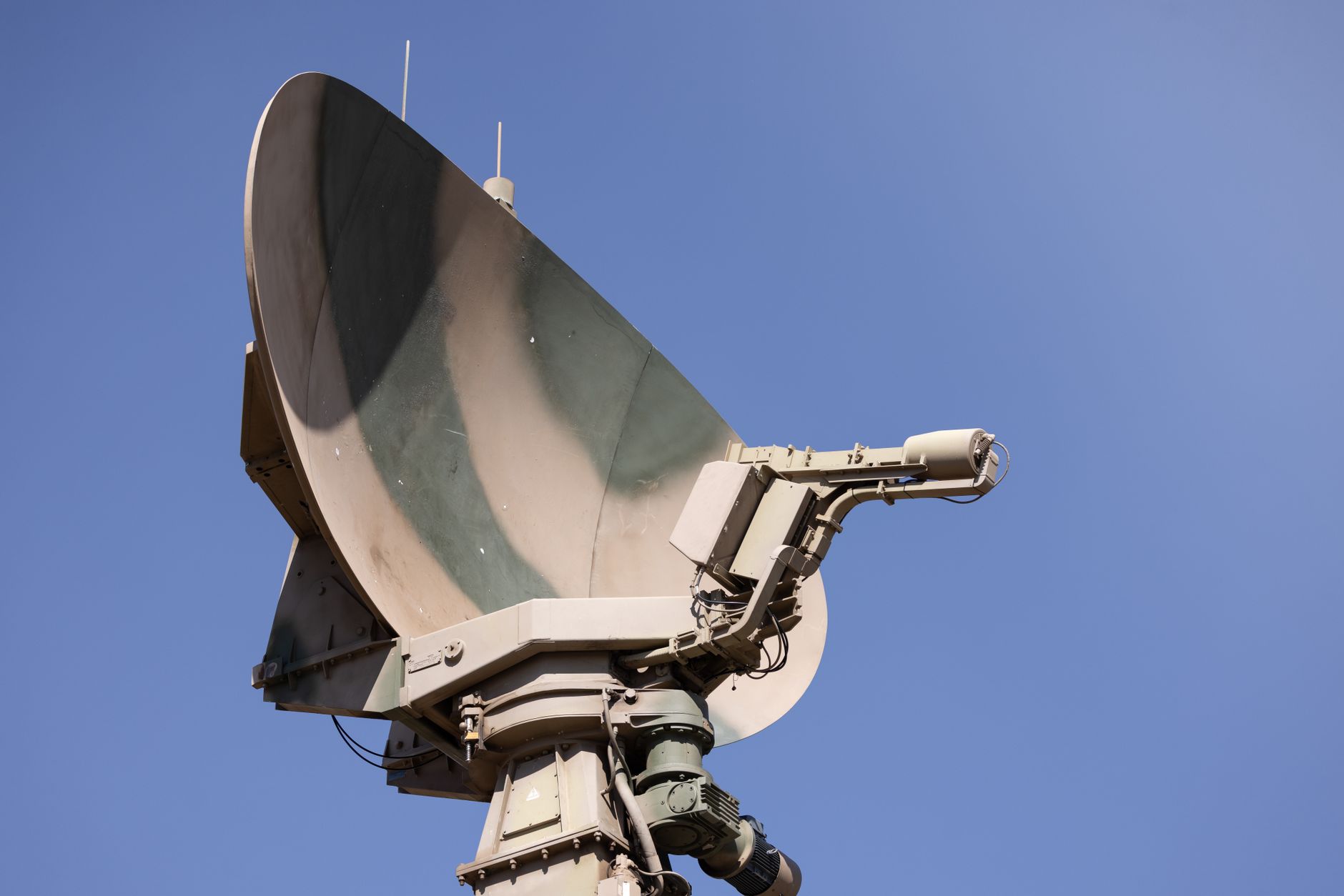
    Photo by Magda Ehlers on Pexels

    References

    Related reading

  • NavIC system restoration: Best Proven Satellite Launch

    NavIC system restoration is a significant achievement for ISRO, marking a new chapter in India’s satellite navigation capabilities with the successful launch of the NVS-03 satellite.

    Overview of the NavIC System

    The NavIC system, developed by the Indian Space Research Organisation (ISRO), is a regional satellite navigation system that provides accurate position information to users in India and the surrounding region. This system, which stands for Navigation with Indian Constellation, aims to offer an alternative to global positioning systems like GPS.

    After facing some operational challenges, the NavIC system has been successfully restored with the recent launch of the NVS-03 satellite. This launch marks a significant milestone in enhancing the capabilities and reliability of the NavIC system.

    Key features of the NavIC system include:

    • High Accuracy: The system is designed to provide positioning accuracy of better than 20 meters.
    • Regional Coverage: NavIC covers India and a region extending approximately 1,500 kilometers around it.
    • Multiple Signals: It transmits signals in L5 and S bands, improving service quality for various applications.

    The restoration of the NavIC system demonstrates ISRO’s commitment to providing reliable navigation services, which are crucial for applications ranging from transportation to disaster management.

    Significance of the NVS-03 Launch

    The successful launch of the NVS-03 satellite marks a significant milestone in the restoration of the NavIC system. This advanced satellite navigation system, developed by the Indian Space Research Organisation (ISRO), provides accurate positioning services to users across India and the surrounding region.

    With the NVS-03 launch, ISRO aims to enhance the capabilities of the NavIC system, ensuring that it remains a reliable alternative to global navigation systems. The NVS-03 satellite is equipped with state-of-the-art technology that not only improves signal quality but also extends the operational lifespan of the navigation system.

    The significance of this launch can be highlighted through the following key points:

    • Enhanced Accuracy: The NVS-03 satellite ensures improved precision in location services.
    • Broader Coverage: It expands the geographical reach of the NavIC system beyond traditional boundaries.
    • Reliability: The restoration of the NavIC system reinforces India’s self-reliance in satellite navigation.
    • Technological Advancement: The satellite incorporates cutting-edge technology, positioning India as a leader in space navigation.

    Overall, the NVS-03 launch is a pivotal step towards fully restoring and modernizing the NavIC system, which is essential for various applications, including agriculture, transportation, and disaster management.

    How NavIC Enhances Navigation

    The NavIC system, developed by the Indian Space Research Organisation (ISRO), significantly enhances navigation capabilities across the Indian subcontinent. With the recent restoration of the NavIC system through the successful NVS-03 satellite launch, users can expect improved accuracy and reliability in location-based services.

    NavIC operates with a constellation of seven satellites, providing precise positioning data. This system is particularly beneficial for:

    • Geolocation Services: Enabling devices to determine their location with high accuracy.
    • Transportation: Assisting in route optimization and traffic management for various transportation modes.
    • Agriculture: Supporting precision farming techniques by offering accurate land and crop management data.
    • Disaster Management: Facilitating real-time monitoring and response during natural calamities.

    Moreover, the NavIC system is designed to function effectively in urban canyons and dense forests, making it a reliable choice for various applications. The restoration of the NavIC system not only strengthens India’s satellite navigation capabilities but also positions the country as a key player in the global navigation landscape.

    Challenges Faced by ISRO

    The Indian Space Research Organisation (ISRO) encountered several challenges while working towards the restoration of the NavIC system. These obstacles highlighted the complexities involved in maintaining a reliable navigation service.

    • Technical Hurdles: The integration of the new NVS-03 satellite required advanced technology to ensure compatibility with existing satellites. This necessitated extensive testing and validation processes.
    • Launch Delays: Weather conditions and technical glitches have previously caused postponements, impacting the timely deployment of the satellite needed for the NavIC system restoration.
    • Resource Management: Balancing resources was critical, as ISRO had to prioritize the NavIC system alongside other ongoing projects, which added pressure on their operational capabilities.
    • Public Expectations: With increasing reliance on navigation services, ISRO faced heightened expectations from the public and stakeholders for a swift resolution to the system’s issues.

    Despite these challenges, ISRO’s resilient approach and commitment to innovation have paved the way for successful restoration efforts, ensuring that the NavIC system continues to enhance navigation capabilities across India and beyond.

    Future of India’s Space Programs

    The future of India’s space programs looks promising, especially with the recent NavIC system restoration following the successful launch of the NVS-03 satellite. This advancement highlights India’s commitment to enhancing its space capabilities and maintaining its edge in satellite navigation technology.

    In the coming years, ISRO plans to expand its satellite network, ensuring robust coverage across the Indian subcontinent and beyond. The integration of newer technologies will enable more precise positioning services and improved data transmission.

    Key initiatives expected to shape the future include:

    • Enhanced Satellite Constellation: Plans to launch additional satellites to strengthen the NavIC system.
    • International Collaborations: Partnerships with other nations to share knowledge and enhance technology.
    • Commercial Applications: Expanding the use of NavIC in sectors such as agriculture, transportation, and disaster management.

    As India prepares for its next phase in space exploration, the restoration of the NavIC system stands as a testament to ISRO’s resilience and innovative spirit, paving the way for groundbreaking advancements in both national and global contexts.

    Public Reception of the Launch

    The recent launch of the NVS-03 satellite has generated a wave of positive public reception, particularly regarding the restoration of the NavIC system. Many citizens expressed their enthusiasm and pride in India’s space capabilities, highlighting the significance of the achievement in enhancing navigation systems across the country.

    Social media platforms have been abuzz with discussions about the successful launch, with users sharing their thoughts on how the NavIC system restoration will impact various sectors, from agriculture to transportation. The launch has reaffirmed public trust in the Indian Space Research Organisation (ISRO) and its commitment to technological advancement.

    Among the most common sentiments expressed by the public include:

    • Increased connectivity: Many believe that the improved NavIC system will lead to better navigation and location tracking.
    • Economic growth: The potential applications of NavIC in different industries are seen as a boon for India’s economy.
    • National pride: Citizens are proud of India’s achievements in space technology, viewing the restoration as a step towards self-reliance.

    Overall, the feedback from the public reflects optimism about the future of India’s space exploration and technology initiatives.

    The successful launch of the latest satellite marks a significant milestone in the NavIC system restoration efforts. As engineers celebrate this achievement, they emphasize the importance of ongoing support for the NavIC system restoration to enhance regional navigation capabilities.

    References

    More on this site

  • GSLV-F18 launch: Best Proven Success for ISRO Scientists

    The GSLV-F18 launch is a remarkable achievement for ISRO scientists, showcasing their dedication and expertise in advancing India’s space capabilities.

    Overview of the GSLV-F18 Launch

    The recent GSLV-F18 launch has marked a significant achievement for the Indian Space Research Organisation (ISRO). This mission has demonstrated the robustness and reliability of India’s space capabilities, showcasing the hard work and dedication of ISRO scientists.

    Prime Minister Modi expressed his pride in the success of the GSLV-F18 launch, emphasizing that it reflects the growing prowess of India in space technology. The launch vehicle is designed to carry heavier payloads, paving the way for future missions that will enhance India’s position in the global space arena.

    Key highlights of the GSLV-F18 launch include:

    • Successful deployment of multiple satellites.
    • Enhanced payload capacity.
    • Increased reliability of launch vehicles.

    This achievement is a testament to the innovation and excellence of ISRO’s team.

    PM Modi’s Congratulations to ISRO

    Prime Minister Narendra Modi extended his heartfelt congratulations to the Indian Space Research Organisation (ISRO) scientists following the successful GSLV-F18 launch. Emphasizing the significance of this achievement, he remarked, “Our space scientists make the nation proud.” The GSLV-F18 launch marks yet another milestone in India’s space journey, showcasing the remarkable expertise and dedication of ISRO’s team.

    Modi took to social media to celebrate the occasion, stating that this accomplishment exemplifies India’s growing prowess in space technology. He also highlighted the potential of such advancements in benefiting various sectors, from communication to disaster management.

    The Prime Minister’s words resonate with the aspirations of a nation that looks up to its scientists and engineers, who continue to push boundaries and inspire future generations.

    Impact of GSLV-F18 on India’s Space Program

    The successful GSLV-F18 launch marks a significant milestone in India’s space program, showcasing the advanced capabilities of the Indian Space Research Organisation (ISRO). This achievement enhances India’s position in the global space arena, demonstrating its ability to deploy heavier payloads into geosynchronous orbits.

    Moreover, the GSLV-F18 mission is expected to bolster various applications, including telecommunications, broadcasting, and weather forecasting. The satellite launched will provide improved services, contributing to the nation’s technological growth.

    ISRO’s continued success with the GSLV series not only reflects the agency’s expertise but also inspires confidence in its future missions. As India pushes the boundaries of space exploration, the impact of the GSLV-F18 launch will resonate for years to come, paving the way for further innovations.

    • Enhances global standing
    • Supports critical applications
    • Inspires future missions

    Key Features of the GSLV-F18 Rocket

    The GSLV-F18 launch showcases several key features that highlight its technological advancements and reliability. As a part of India’s ongoing space exploration efforts, this rocket is designed with enhanced payload capacity and improved propulsion systems.

    Some of the notable aspects include:

    • Indigenous Technology: The GSLV-F18 utilizes homegrown components, reinforcing India’s self-reliance in space technology.
    • Increased Payload Capability: This launch can carry heavier satellites into geostationary orbits, expanding India’s capabilities in space.
    • Advanced Navigation Systems: The rocket features state-of-the-art navigation and control mechanisms, ensuring precision during launch.
    • Robust Safety Measures: Enhanced safety protocols are in place, minimizing risks during the launch process.

    Overall, the GSLV-F18 launch marks a significant milestone for ISRO scientists, further solidifying their reputation in global space exploration.

    Future Missions Planned by ISRO

    Following the successful GSLV-F18 launch, the Indian Space Research Organisation (ISRO) is gearing up for several ambitious missions in the near future. These missions aim to enhance India’s capabilities in space exploration and satellite deployment.

    • Aditya-L1 Mission: Scheduled for later this year, this mission will study the Sun and its impact on the Earth’s climate.
    • Chandrayaan-3: Building on the achievements of previous lunar missions, ISRO plans to further explore the Moon’s surface.
    • Gaganyaan: India’s first crewed spaceflight mission is in the pipeline, with plans to send Indian astronauts into low Earth orbit.
    • NavIC Expansion: Enhancements to the Navigation with Indian Constellation (NavIC) system are set to improve regional navigation services.

    The GSLV-F18 launch has undoubtedly paved the way for these innovations, reinforcing ISRO’s commitment to pushing the boundaries of space technology.

    Where this came from

    Related stories

  • SpaceX Starlink launch: Best Proven Mission Success

    SpaceX Starlink launch marks another significant achievement in satellite deployment. This latest mission successfully deployed 27 satellites, further expanding the constellation aimed at providing internet access worldwide.

    Overview of the SpaceX Starlink launch

    The recent SpaceX Starlink launch marks a significant milestone in the company’s efforts to expand its satellite internet coverage. On its 117th Falcon 9 mission, SpaceX successfully deployed 27 Starlink satellites into orbit, further enhancing the global broadband network.

    This mission, which took place in 2026, showcased SpaceX’s commitment to delivering high-speed internet access to underserved regions around the world. By increasing the number of satellites in its constellation, the company aims to improve connectivity and reduce latency for users.

    Key highlights of the SpaceX Starlink launch include:

    • Successful deployment: All 27 satellites were deployed as planned.
    • Innovative technology: The Falcon 9 rocket continues to demonstrate reliability and efficiency.
    • Global impact: Enhanced internet service for millions of users worldwide.

    With each launch, SpaceX moves closer to its goal of providing accessible internet coverage globally.

    What this means for global internet access

    The recent SpaceX Starlink launch marks a significant advancement in global internet access, particularly in underserved regions. With the deployment of 27 additional satellites, the initiative aims to bridge the digital divide by providing high-speed internet connectivity to areas lacking reliable service.

    This launch is part of a broader vision to create a seamless global network, enabling people in remote locations to connect with the world. The enhanced satellite constellation will improve service quality, reduce latency, and expand coverage, making internet access more equitable.

    Benefits of this mission include:

    • Increased Connectivity: More satellites mean better service in rural and isolated communities.
    • Economic Opportunities: Access to the internet can stimulate local economies and create jobs.
    • Educational Resources: Students can access online learning materials, regardless of their geographic location.

    Overall, the SpaceX Starlink launch is a pivotal step towards achieving a connected world.

    Key features of the Falcon 9 rocket

    The Falcon 9 rocket, a cornerstone of SpaceX’s operations, boasts several key features that contribute to the success of missions like the SpaceX Starlink launch. Its design focuses on reusability, allowing for multiple flights with the same rocket, which significantly reduces launch costs.

    • Two-Stage Configuration: The Falcon 9 utilizes a two-stage approach, enhancing its ability to deliver payloads to various orbits efficiently.
    • Merlin Engines: Equipped with nine Merlin engines, the first stage generates over 1.7 million pounds of thrust, enabling a powerful lift-off.
    • Payload Capacity: This rocket can carry up to 22,800 kilograms to low Earth orbit, making it ideal for deploying large constellations like Starlink.
    • Autonomous Landing: The first stage features an autonomous landing system, allowing it to return to Earth and be reused for future launches.

    These innovations underscore the effectiveness of Falcon 9 in delivering satellites, including the latest batch for Starlink, enhancing global internet connectivity.

    SpaceX’s future plans for Starlink

    SpaceX is not resting on its laurels after the recent successful SpaceX Starlink launch. The company has ambitious plans for the future of its satellite internet constellation. Key initiatives include:

    • Expansion of Satellite Constellation: SpaceX aims to deploy thousands of additional satellites to enhance coverage and increase bandwidth.
    • Improved Connectivity: Future Starlink versions are expected to offer faster internet speeds and lower latency for users worldwide.
    • Global Partnerships: SpaceX is exploring collaborations with local internet service providers to extend its reach in underserved areas.
    • Regulatory Approvals: The company is actively working with regulatory bodies to secure necessary approvals for its expanded operations.

    As SpaceX continues to innovate, the potential for Starlink to revolutionize global internet access remains high, promising a more connected future for users everywhere.

    Reactions to the successful mission

    The recent SpaceX Starlink launch has garnered widespread acclaim from various sectors, highlighting the mission’s significance in enhancing global connectivity. Experts and industry leaders have expressed their enthusiasm, noting the potential for improved internet access in underserved regions.

    According to Dr. Emily Chen, a telecommunications analyst, “This successful mission not only showcases SpaceX’s engineering prowess but also reinforces the importance of satellite internet in bridging the digital divide.”

    On social media, tech enthusiasts shared their excitement, with many praising the efficiency of the Falcon 9 rocket. “Every successful launch brings us closer to a fully connected world,” tweeted one user.

    The launch was also met with positive reactions from SpaceX investors, who see the continued deployment of Starlink satellites as a promising step towards achieving the company’s ambitious goals. As SpaceX continues to innovate, the impact of the Starlink launch is expected to resonate well beyond the confines of the space industry.

    Sources

    More on this site