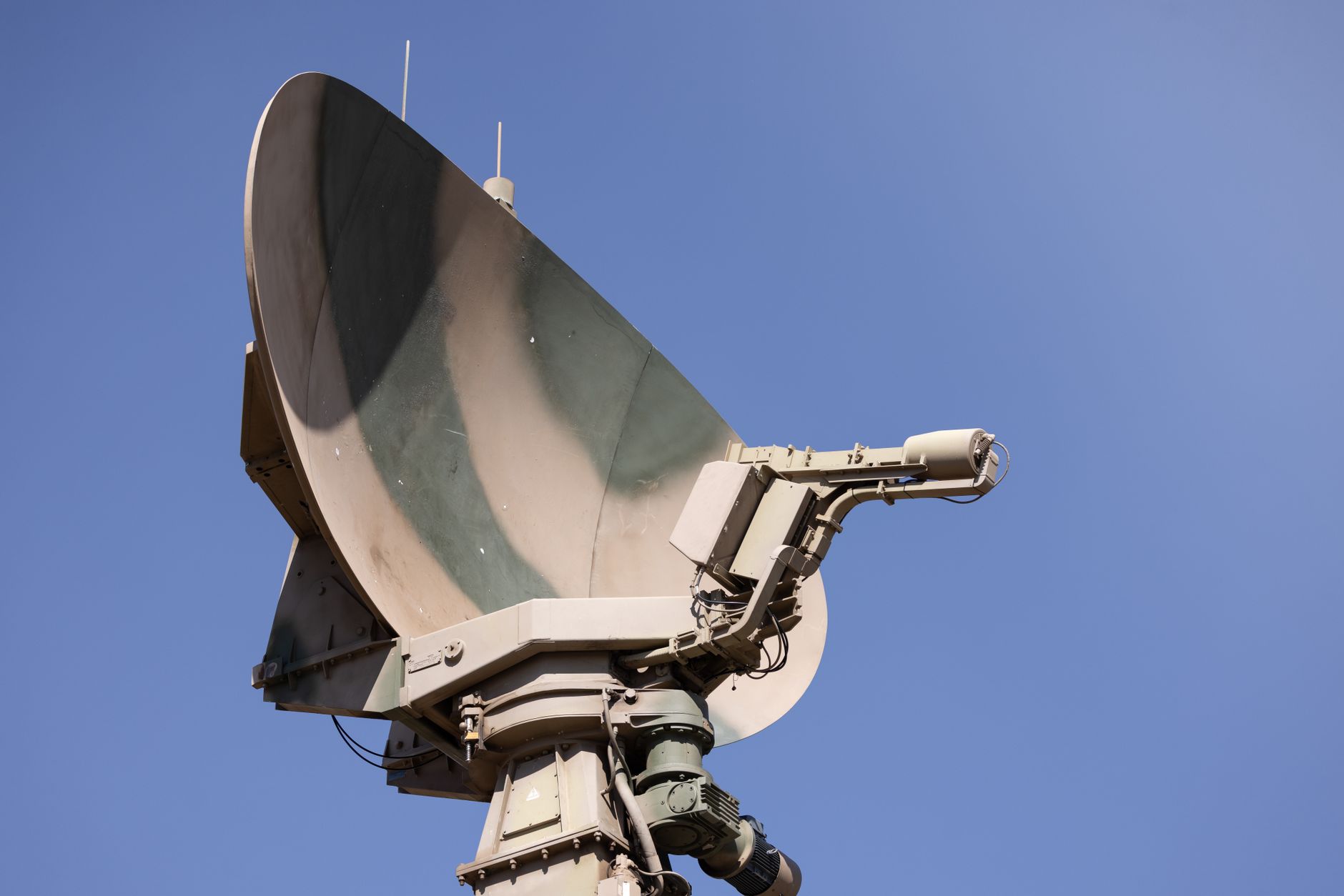
UK military satellite launches are becoming increasingly important as the Titania satellite enters orbit, showcasing the UK’s commitment to space defence.
Overview of the Titania Satellite
The Titania satellite represents a significant advancement in the UK’s military capabilities, being part of a broader strategy to enhance national security in space. Launched successfully, this UK military satellite will provide critical data and support for various defence operations.
Key features of the Titania satellite include:
- Advanced Communication Systems: Titania is equipped with state-of-the-art technology to ensure secure and reliable communication.
- Real-time Surveillance: The satellite offers enhanced surveillance capabilities, enabling the military to monitor activities in real-time.
- Resilience: Designed to withstand potential threats, Titania enhances the UK’s resilience in the face of emerging challenges.
This investment of £3 billion into space defence not only bolsters military operations but also positions the UK as a leader in military satellite technology. As global tensions rise, the capabilities provided by the Titania satellite are seen as essential for maintaining a strategic advantage.
Importance of Space Defence
The significance of space defence has never been more pronounced, particularly with the recent launch of the UK military satellite, Titania. As nations increasingly rely on satellite technology for communication, surveillance, and navigation, the need for robust defensive measures in space becomes paramount.
Investing in space defence ensures that the UK can protect its national interests against emerging threats. Key reasons for this investment include:
- Global Security: Satellites play a critical role in monitoring global conflicts and potential threats.
- Technological Advancements: Continued investment fosters innovation in satellite technology, enhancing operational capabilities.
- Strategic Autonomy: A dedicated military satellite program allows the UK to operate independently and safeguard its assets in space.
- Allied Cooperation: Strengthening space capabilities can enhance collaborative efforts with NATO and other allies.
Overall, the UK military satellite initiative represents a strategic move towards ensuring long-term security and resilience in an increasingly contested space environment.
Details of the £3bn Investment
The recent launch of the UK military satellite Titania marks a significant milestone in the nation’s commitment to enhancing its defence capabilities. This £3bn investment is aimed at strengthening the UK’s position in space defence, ensuring that the military is equipped to address emerging threats effectively.
Key details of this investment include:
- Advanced Technology: The Titania satellite is equipped with cutting-edge technology designed to provide real-time intelligence and surveillance.
- Increased Surveillance: The satellite will enhance the UK’s ability to monitor space activities and respond to potential threats.
- International Collaboration: This initiative is part of a broader strategy to collaborate with international allies, sharing vital information and resources.
- Economic Boost: The investment is expected to create thousands of jobs in the aerospace sector, contributing to economic growth.
Overall, the launch of the Titania satellite is a clear indication of the UK’s commitment to maintaining a robust defence posture in an increasingly contested space environment.
Technological Advancements in Satellites
The launch of the UK military satellite Titania signifies a leap forward in technological advancements, enhancing the country’s defence capabilities. This cutting-edge satellite is designed to provide critical data for military operations and improve situational awareness.
Among the notable technologies integrated into Titania are:
- Advanced Imaging Systems: These systems will allow for high-resolution surveillance, ensuring that UK forces have real-time information on potential threats.
- Secure Communication Links: Titania is equipped with encrypted communication pathways, safeguarding sensitive military information from adversaries.
- Artificial Intelligence: The satellite employs AI algorithms to analyze vast amounts of data quickly, assisting in decision-making processes.
- Resilience to Interference: Designed to withstand electronic warfare, Titania can maintain functionality even in contested environments.
These innovations highlight the significance of the UK military satellite in modern warfare, showcasing the nation’s commitment to maintaining a competitive edge in space defence.
Future of UK Military in Space
The future of the UK military in space is increasingly bright with the successful launch of the Titania satellite. This advancement signifies not only a commitment to national security but also a proactive approach to modern warfare challenges.
As global tensions rise, the need for enhanced surveillance and communication capabilities becomes paramount. The UK military satellite is designed to provide real-time data and improve response times in critical situations. Experts suggest that the integration of such technology will enable the UK to maintain a strategic advantage in the ever-evolving landscape of international relations.
Moreover, this investment paves the way for future innovations in space technology. It is expected that advancements in satellite capabilities will lead to greater collaboration with international allies and foster developments in commercial space exploration. As the UK continues to invest in its military capabilities, the role of satellites like Titania will be crucial in shaping the nation’s defense strategy for years to come.
Global Space Defence Strategies
The launch of the UK military satellite Titania marks a significant step in the evolution of global space defence strategies. As nations increasingly recognize the importance of securing their interests in outer space, the UK is positioning itself as a leader in this critical domain.
Countries around the world are enhancing their military capabilities through advanced satellite technology, which plays a pivotal role in intelligence, surveillance, and reconnaissance. The Titania satellite exemplifies how the UK military is adapting to contemporary threats and ensuring operational readiness in increasingly contested environments.
Several key elements are shaping the global landscape of space defence:
- International Collaboration: Nations are forming alliances to share knowledge and resources.
- Technological Innovation: Emphasis on cutting-edge technologies to improve satellite resilience.
- Policy Development: Establishing frameworks for the responsible use of space.
As the UK military satellite program progresses, it reflects a broader commitment to safeguarding national interests in the evolving space arena.
Challenges Facing Satellite Launches
The launch of the UK military satellite Titania marks a significant achievement; however, it is not without its challenges. The complexities involved in satellite launches can create hurdles that need to be navigated carefully.
One of the primary challenges is the high cost associated with developing and launching satellites. Despite the £3bn investment, unforeseen expenses can arise, potentially straining budgets. Additionally, the timeline for satellite development can be lengthy, which may delay operational capabilities.
Another issue is the increasing congestion in space. With numerous countries and private companies launching satellites, the risk of collisions rises, posing threats to both existing and future missions. Moreover, ensuring cybersecurity for military satellites like Titania is crucial; the potential for hostile interference is a constant concern.
Finally, the technical challenges related to communication and data transfer must be addressed. Reliability in these systems is essential for effective military operations in space.
- High costs of satellite development
- Increased risk of space congestion
- Cybersecurity threats
- Technical reliability issues
Photo by Magda Ehlers on Pexels