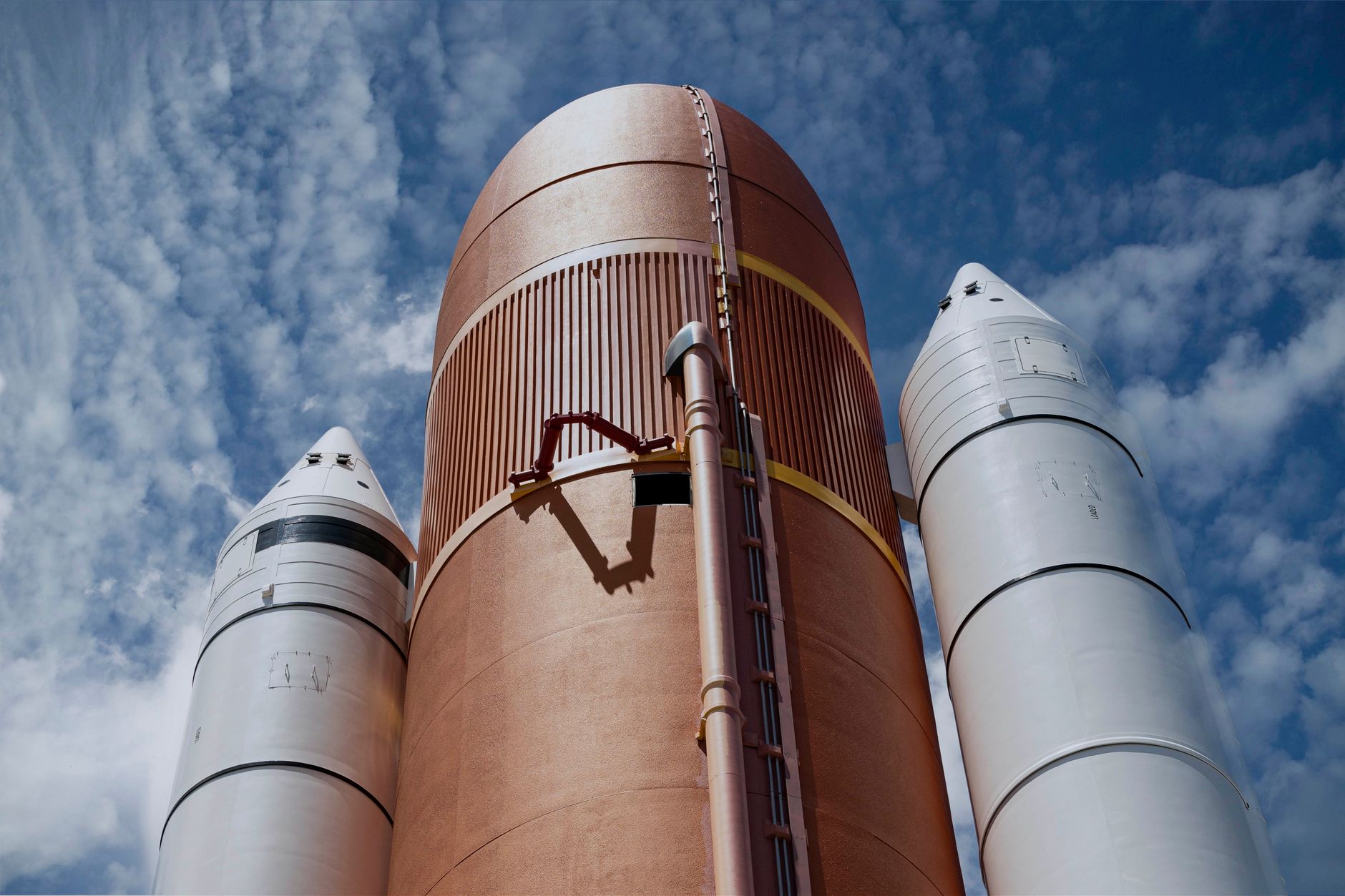
Gaganyaan uncrewed mission has successfully cleared its module separation tests, marking a significant milestone ahead of its first flight. This achievement showcases the program’s commitment to safety and reliability in space exploration.
Overview of Gaganyaan Mission
The Gaganyaan uncrewed mission represents a significant milestone in India’s space exploration efforts. This ambitious project, led by the Indian Space Research Organisation (ISRO), aims to send humans into space for the first time. As part of the preparations for this landmark mission, ISRO has successfully completed critical module separation tests, ensuring the safety and reliability of the spacecraft.
The testing phase involved rigorous assessments to confirm that all systems function optimally during various stages of the mission. With the completion of these tests, ISRO has demonstrated its commitment to achieving a safe and successful launch.
Key highlights of the Gaganyaan uncrewed mission include:
- Safety Assurance: Comprehensive testing of module separation mechanisms.
- Technological Advancement: Incorporation of cutting-edge technology for spacecraft design.
- Future Manned Missions: Paving the way for subsequent crewed missions to space.
Overall, the Gaganyaan uncrewed mission is poised to enhance India’s position in the global space race, showcasing its technological prowess and innovative spirit.
Importance of Module Separation Tests
The successful completion of module separation tests is a significant milestone for the Gaganyaan uncrewed mission. These tests are crucial to ensuring the safety and reliability of the spacecraft’s components during its journey. The separation of modules involves critical phases, where different sections of the spacecraft must detach and function independently. This process is vital for the overall mission success.
During the tests, engineers monitored various parameters to assess the performance of each module. The results demonstrated that the separation mechanisms operated as intended, indicating a robust design and engineering process.
The importance of these tests extends beyond mere functionality; they also enhance the confidence of mission planners and stakeholders. Ensuring that the modules can safely detach is essential for the subsequent phases of the mission, including orbital maneuvers and potential crewed missions in the future.
In summary, the successful module separation tests for the Gaganyaan uncrewed mission pave the way for further advancements in India’s space exploration efforts.
Timeline for Upcoming Uncrewed Flight
The timeline for the upcoming Gaganyaan uncrewed mission has been outlined by officials at the Indian Space Research Organisation (ISRO). Following the successful completion of module separation tests, which confirmed the safety and reliability of the spacecraft, the focus now shifts to the flight readiness review.
Key milestones leading up to the launch include:
- Initial Testing: All necessary ground tests for the spacecraft modules have been completed.
- Integration Phase: The integration of the modules into the launch vehicle is set to begin in early 2024.
- Flight Readiness Review: This critical assessment will take place a few weeks before the planned launch date.
- Launch Window: The uncrewed mission is tentatively scheduled for mid-2024, depending on the success of preceding tests and evaluations.
As preparations continue, ISRO remains committed to achieving a safe and successful launch, marking a significant step towards India’s crewed space mission in the future.
Challenges Faced in Space Missions
The Gaganyaan uncrewed mission has been a significant milestone for India’s space exploration endeavors, but it has not been without its challenges. Several obstacles have emerged during the preparation phases, testing the resilience of the Indian Space Research Organisation (ISRO) and its technology.
One of the primary challenges has been ensuring the safety and reliability of the spacecraft components. Rigorous testing protocols have been established to address potential issues, particularly with the module separation mechanisms that are crucial for mission success. These tests have revealed the importance of precise engineering and the necessity for redundancy in critical systems.
Additionally, the integration of advanced technology has posed hurdles. Developing systems that can withstand the harsh conditions of space travel, such as extreme temperatures and radiation, has required innovative solutions and extensive research.
- Ensuring reliable communication systems
- Addressing potential software failures
- Maintaining strict timelines despite setbacks
Despite these challenges, the successful completion of the module separation tests marks a promising step forward for the Gaganyaan uncrewed mission.
Future of Indian Space Exploration
The future of Indian space exploration looks promising as the Gaganyaan uncrewed mission paves the way for significant advancements in technology and human spaceflight. With the successful module separation tests completed, the mission demonstrates India’s growing capabilities in space dynamics and safety protocols.
India aims to establish itself as a formidable player in the global space race. The Gaganyaan uncrewed mission is not just a step toward sending humans into space but also a leap toward developing indigenous technologies that can support various space endeavors.
In the coming years, the Indian Space Research Organisation (ISRO) plans to enhance its satellite launching capabilities and explore deep space missions. The Gaganyaan mission serves as a foundation for future projects, including:
- Developing advanced satellites for communication and observation.
- Launching interplanetary missions to Mars and beyond.
- Collaborating with international space agencies for joint ventures.
As these plans unfold, the Gaganyaan uncrewed mission will be a critical milestone that inspires future generations of scientists and engineers in India.
Technological Innovations in Gaganyaan
The Gaganyaan uncrewed mission represents a significant leap in India’s space technology, showcasing various innovative engineering solutions designed to enhance safety and efficiency. Among the noteworthy advancements are:
- Revolutionary Propulsion Systems: The mission incorporates state-of-the-art propulsion technology that ensures precise maneuverability and safe operation during critical phases of flight.
- Advanced Life Support Systems: Although uncrewed, the mission employs sophisticated life support mechanisms designed for future crewed missions, reflecting the foresight of Indian Space Research Organisation (ISRO).
- Robust Communication Networks: Enhanced communication systems have been developed to maintain constant contact with ground control, facilitating real-time monitoring and data transmission.
- Innovative Module Separation Techniques: The successful module separation tests underscore the reliability of the systems, crucial for the Gaganyaan uncrewed mission’s operational success.
These technological innovations not only bolster the safety and reliability of the upcoming mission but also pave the way for India’s continued advancements in aerospace technology and exploration.
Photo by john mckenna on Pexels
Leave a Reply